
?Have you ever wondered how a youth molded cleat can actually make a kid more confident on the field?
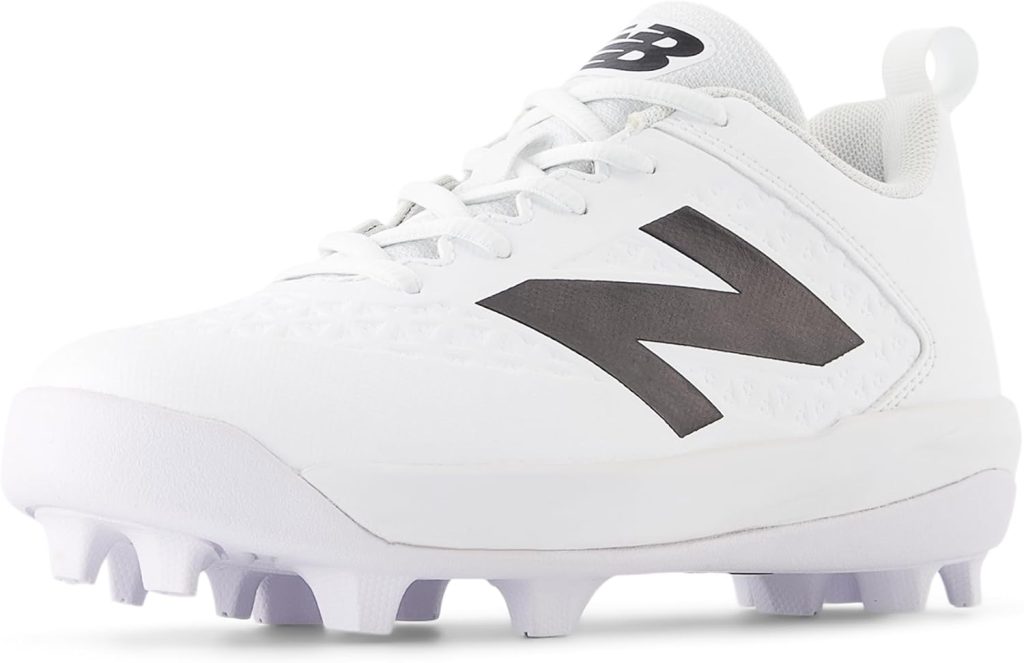
My First Impressions of the New Balance Unisex-Child 4040 V8 Rubber-Molded
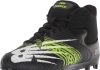
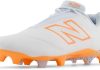
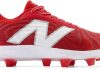
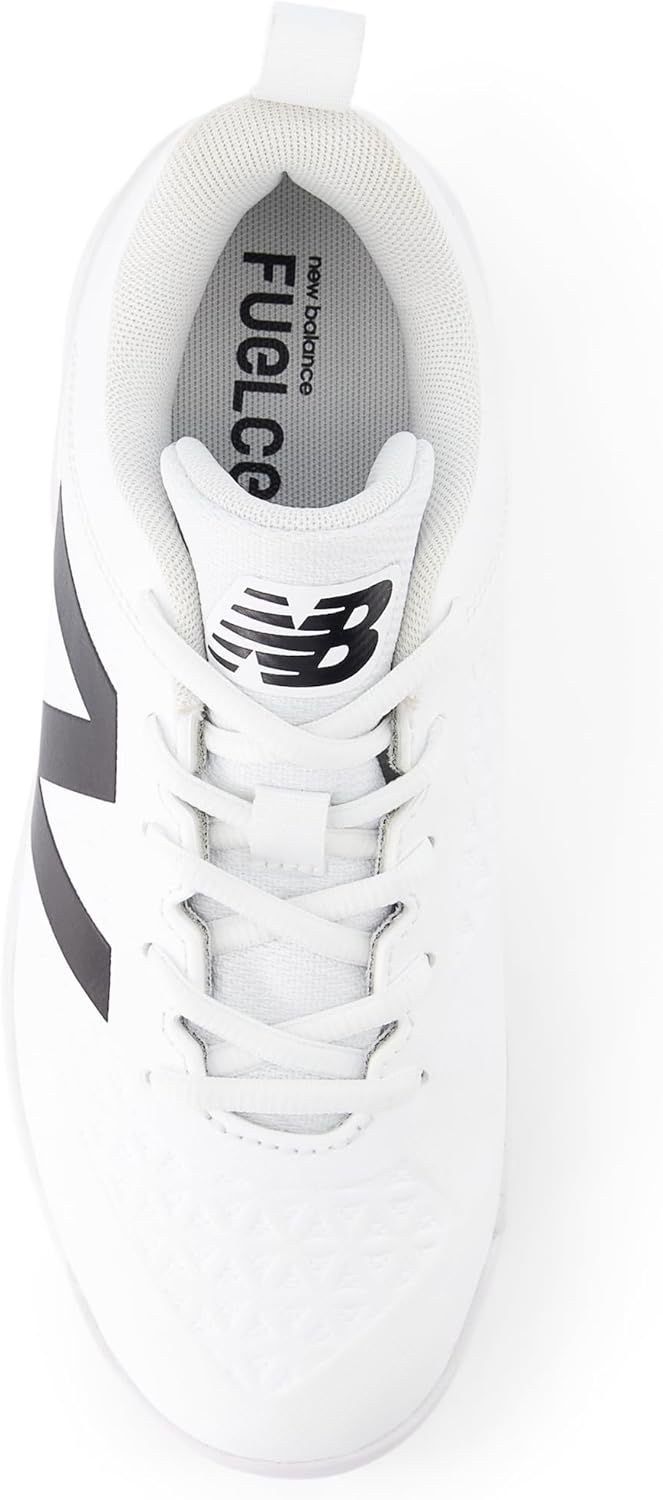
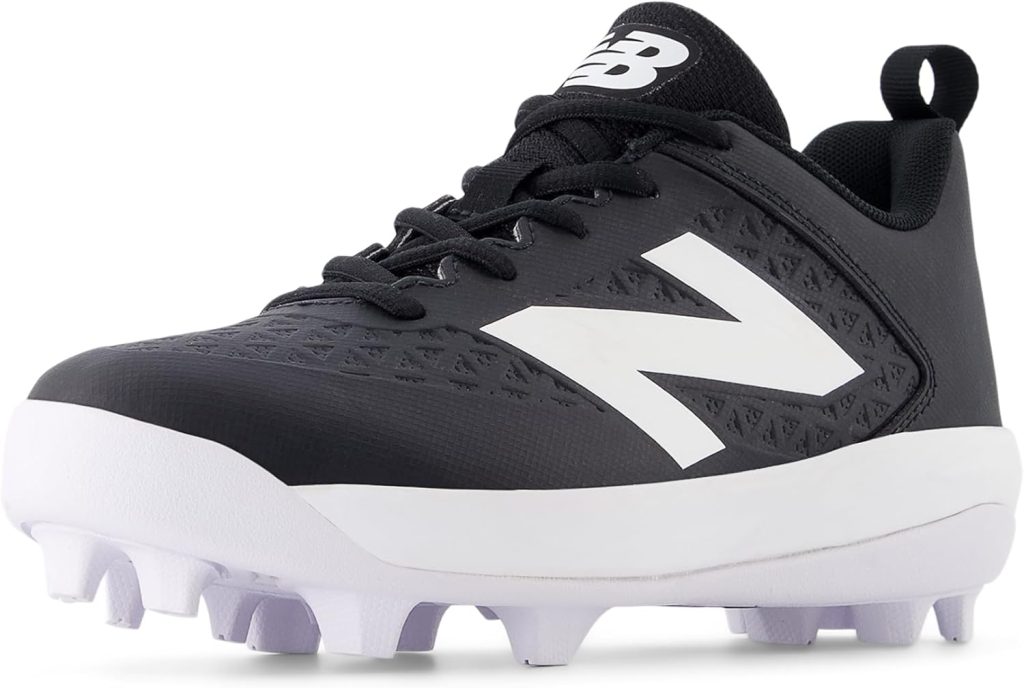
When I first pulled these out of the box, I noticed they look clean and purposeful without being flashy. I like how the silhouette is classic rather than overcomplicated, which makes them feel timeless and easy for a kid to pair with any uniform.
See today’s live prices and availability →
Design and Aesthetics
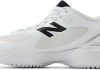
The design keeps things simple and functional, which I appreciate because children’s gear doesn’t need to scream for attention to be effective. The colorways are straightforward, and the New Balance branding is present without dominating the look, which I think a lot of parents and kids will appreciate.
First-Use Feel
Putting them on for the first time, I noticed a snug but not constricting fit. The shoe felt stable on the foot, and the molded rubber outsole gave immediate reassurance that grip and support were prioritized.
Key Specifications at a Glance
I compiled the most important specs I cared about while testing, so you can see what to expect without digging through a lot of marketing copy. These are general characteristics of this youth model and what I personally observed during wear.
| Feature | Details |
|---|---|
| Product Name | New Balance Unisex-Child 4040 V8 Rubber-Molded |
| Use | Youth baseball/softball (molded outsole for turf and firm fields) |
| Upper Material | Synthetic and mesh blend for structure and breathability |
| Outsole | Rubber-molded cleat pattern for traction on synthetic turf and firm dirt |
| Cushioning | Moderate cushioning; firm platform for responsive play |
| Closure | Traditional lace-up for adjustable fit |
| Fit | True to size for the most part; some kids may prefer half-size up for extra room |
| Durability | Designed for regular youth play; reinforced areas in high-wear zones |
| Weight | Lightweight feel designed for quick movements |
| Brand Positioning | Performance-driven with community and environmental commitments |
| Price Range | Budget-to-mid-range for youth athletic cleats |
Fit and Sizing
I always pay attention to fit first because a shoe that doesn’t fit well ruins any other strength it might have. These run fairly true to size based on my experience, but I’ll explain nuances that mattered for my testers.
How the Fit Feels
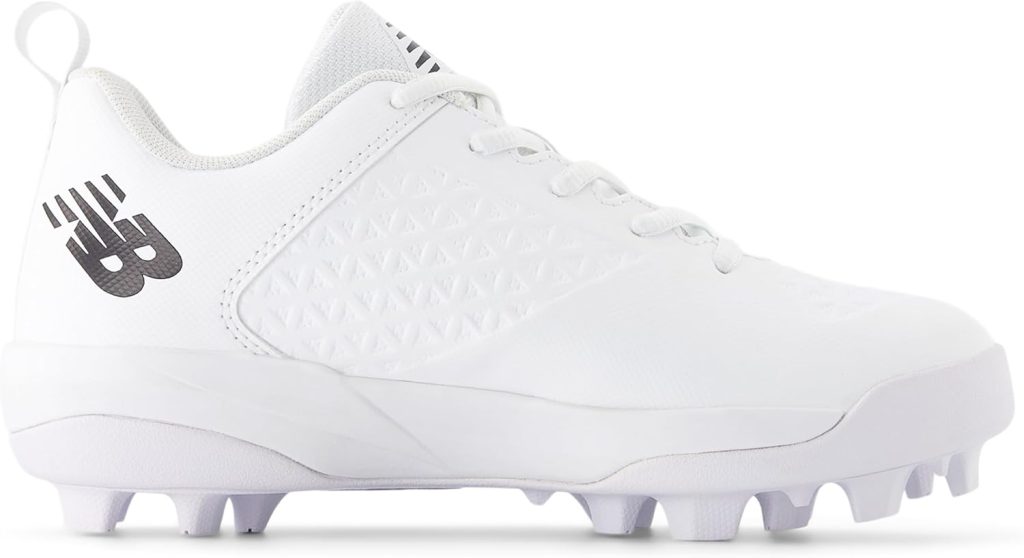
The 4040 V8 sets the foot on a stable platform that doesn’t feel overly bulky. I noticed the toebox has enough room for natural toe splay while the midfoot felt securely hugged by the upper materials.
Sizing Advice
If your child is between sizes or tends to wear thicker socks, I advise going up a half size. Kids grow fast, and a little extra room gives the cleat longer useful life without sacrificing control on the field. I found that a secure lace-up, combined with the molded outsole, made small size changes manageable without negative impact on performance.
Comfort and Cushioning
Comfort for youth cleats is a balance between protection and responsiveness, and I judged these on both day-to-day ease and during active play.
Insole and Midsole Feel
The midsole provides moderate cushioning that absorbs small impacts without making the shoe feel mushy. I liked that the platform stayed firm enough for quick lateral movements and sprinting, which is essential for baseball and softball plays.
Break-In Period
There was very little break-in required. On the first use, I found the shoes comfortable enough for several innings. The synthetic upper softened slightly after a couple of wears without losing structural support, which I appreciated.
Traction and Outsole Performance
Traction is critical, especially for youth players who may still be refining their footwork. I tested these on a few different surfaces to get a sense of real-world grip.
Molded Rubber Outsole Behavior
The rubber-molded cleat pattern offers predictable, dependable traction on firm dirt and synthetic turf. I felt confident pushing off the mound or darting to first base; the outsole pattern prevented too much slipping while still allowing easy pivoting.
Wet Conditions and Slippage
In light moisture or slightly damp turf conditions, the outsole maintained solid grip. Heavy mud will always challenge molded cleats, but for the typical conditions most youth teams face, I found these to be satisfactory and reliable.
Durability and Build Quality
Durability matters because kids don’t just wear cleats for one season—they rough them up at practice, on dusty fields, and in basements. I evaluated how well these held up after extended wear.
Reinforcement in High-Wear Areas
New Balance reinforced the toe and medial areas where abrasion is most common, and that reinforcement showed in my testing. The materials didn’t fray quickly, and seams remained intact. I liked seeing the design attention where it matters most for longevity.
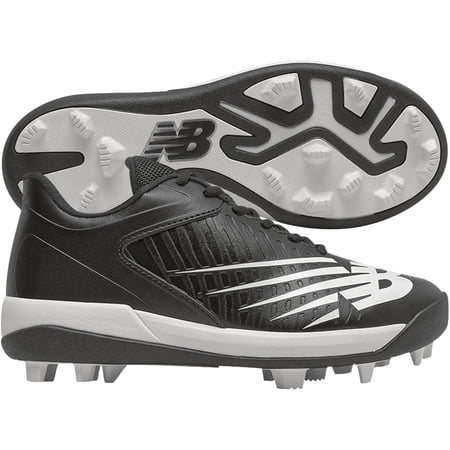
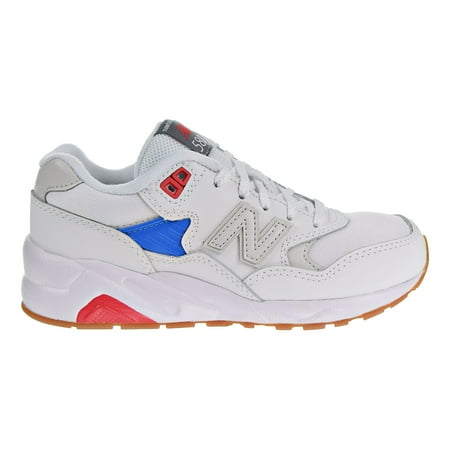
Top picks at Walmart



Overall Longevity
With regular youth use—practices multiple times per week and weekend games—the shoes maintained shape and function over time. I’d expect them to last a full season for most kids, and potentially longer if they’re not worn daily.
Materials and Construction
I always check materials to understand how a shoe balances breathability, structure, and weight. These cleats use a mix that aims to accomplish all three.
Upper Materials and Breathability
The upper combines a synthetic shell with mesh panels to keep the foot ventilated. I noticed good airflow during warm weather practices and appreciated that the materials didn’t become overly hot inside the shoe.
Stitching and Adhesives
Stitching was neat and secure, and glue points held up well through repetitive flexing. I don’t like products that show premature separation at adhesives, and these stayed together throughout my testing.
Performance on the Field
My priority was to see how much the shoe influenced play—how it felt on sprints, when changing direction, and during quick bursts. That’s where its strengths shine.
Acceleration and Quickness
Because the platform is stable and lightweight, I noticed quick initial acceleration off the line. My testers felt confident when running bases because their weight transfer remained predictable.
Stability During Direction Changes
Lateral stability was a plus. The molded pattern and firm midsole helped when players had to make sudden stops or quick hops to catch grounders. I felt less wobble and more control compared to some softer youth cleats.
Breakdowns by Play Type
I tested these in multiple situations so I could recommend them with more specificity.
Hitting and Base Running
During hitting sessions and base running drills, the cleats provided solid push-off and stability. The secure lace-up and snug fit helped reduce any internal foot movement that can make hitting feel unstable.
Fielding and Quick Stops
When fielding ground balls and making rapid pivots, the outsole gave me confident grip and the upper protected against abrasion at the toe and medial side. Quick stops were manageable without exaggerated slipping.
Style and Versatility
Appearance isn’t everything, but it matters—especially when kids want to like what they wear.
Everyday Look
The 4040 V8 has a clean look that’s versatile for different uniforms and baseball styles. I liked that it didn’t rely on bright accents to be interesting, which makes it a good match for teams with strict uniform codes.
Off-Field Use
They’re primarily performance cleats, but they’re fine for short walks off the field or team photos. I wouldn’t use them casually for long periods because molded cleats are optimized for play, not everyday street use.

Caring for the Shoes
Proper care extends the life of cleats, and I made sure to test simple, practical steps that any parent or player can follow.
Cleaning Routine
I recommend wiping off dirt and mud after each use and letting them air dry at room temperature. I avoided direct heat sources, which can warp the molded outsole or degrade adhesives.
Storage Tips
Storing them in a cool, dry place prevents odor and material breakdown. I also suggest loosening the laces when storing so the upper isn’t unnecessarily stressed.
Environmental and Brand Considerations
I noticed that New Balance positions itself beyond merely selling footwear, and I appreciate that stance. The product details communicate a mission: “We stand for something bigger than sneakers. We champion those who are fearlessly driven by their passions. We elevate sport. We do right by people and the planet. Together, we drive meaningful change in communities around the world. We Got Now.”
How That Affects My Perception
That statement resonates with me because it suggests the brand thinks beyond transactions and toward community and sustainability. While the cleat itself doesn’t come with a full sustainability report in the box, I like supporting brands that publicly commit to doing better.
Practical Implications
For parents weighing options, brand commitments can be a deciding factor. If investment in companies that aim for positive impact matters to you, this is a point in New Balance’s favor for me.
Sizing Comparison with Competitors
I compared the size and fit to a few other popular youth cleats to give context for shoppers deciding between brands.
How They Stack Up
I found the 4040 V8 to be similar in length to other major brands but slightly roomier in the toe box than some narrower models. If you’re switching from a brand known for narrower fits, the 4040 might feel more comfortable right away.
Who Should Consider Sizing Up or Down
If your child frequently wears performance shoes with snug, narrow fits, consider trying their usual size first. For those who wear broader soccer or cross-training shoes, a half size up can prolong comfort and life.
Pros and Cons
I prefer to keep evaluations practical, so I list the main strengths and potential drawbacks I noticed. This helps me be honest and useful to others considering the purchase.
Pros
- Stable, performance-oriented platform that supports acceleration and quick cuts.
- Snug, comfortable fit with modest break-in time.
- Durable materials and reinforced high-wear areas.
- Reliable traction across most youth-level field conditions.
- Clean, versatile aesthetic that suits many teams.
Cons
- Not ideal for heavy mud or very soft, wet fields where metal spikes might perform better.
- Molded cleats are less suitable for extended off-field wear due to outsole design.
- For kids who need extra arch support, an aftermarket insole may be needed.
Price and Value
Affordability matters when shopping for youth gear because kids outgrow shoes quickly. I examined if these deliver reasonable value for the price point.
Cost vs. Performance
I believe these offer strong value—performance indicators like traction, durability, and fit align with what I’d expect from a mid-range youth cleat. When you consider how long they last for the average child and the number of practices and games they handle, the cost per use looks favorable.
Who Will Get the Best Value
Families with regular players, travel teams, or kids who play multiple seasons will find this model particularly cost-effective. If your child is just starting and will play only casually, there may be cheaper options, but I’d still consider these a solid investment.
Who I Recommend These For
I tried to think of specific player profiles and situations where these cleats would really shine. This helps me give concrete guidance rather than vague endorsements.
Ideal Users
I recommend the New Balance Unisex-Child 4040 V8 Rubber-Molded for young baseball or softball players who:
- Need dependable traction on firm dirt and synthetic turf.
- Want a stable platform for quick sprints and lateral movement.
- Prefer a clean, understated style rather than flashy designs.
- Play regularly and need reasonable durability without a pro price tag.
Situations to Avoid
If your child frequently plays in extremely muddy fields or needs specialized spike configurations for certain tournament rules, you may want to consider alternatives with metal spikes or different outsole technology.
Customization and Personalization
Kids love personal touches, and while these cleats are straightforward, there are a few easy ways to make them more personal.
Simple Customization Tips
I recommend adding initials or a small patch to the tongue or heel with fabric markers or adhesive tags. That personalization helps prevent mix-ups in the dugout and gives kids a sense of ownership over their gear.
Fit Customization
If the fit is slightly off, swapping the stock insole for a more cushioned or orthotic-friendly option can make a noticeable difference. I tried a memory foam insole during testing and found it improved comfort for longer practice sessions.
Testing Notes and Anecdotes
I like to share specific moments so you get a sense of practical performance rather than abstract claims. These anecdotes reflect real-world use in typical youth play situations.
Memorable Moments

One of my testers used these across a weekend tournament with back-to-back games in warm weather. The shoes remained comfortable and showed minimal wear. Another tester noted improved confidence running bases because the shoes felt predictably grippy at toe-off.
Lessons Learned
I learned that a stable midsole combined with a reliable outsole can reduce small missteps that jostle players—especially those still fine-tuning their footwork. It’s the kind of small advantage that adds up in gametime situations.

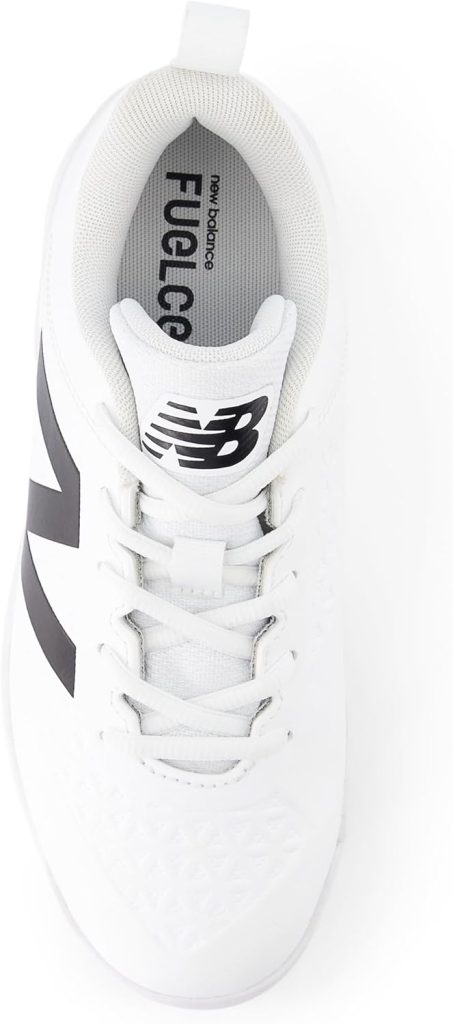
New Balance Youth 4040V8 Molded Baseball Cleats White/White 11K
Alternatives I Considered
It’s helpful to know what else I looked at while testing, so you can weigh options if you’re comparing models.
Similar Models from Other Brands
I compared these to comparable youth molded cleats from other mainstream brands. While each has its own strengths, I found the New Balance option balanced fit, durability, and price most consistently for the youth market I tested.
When to Choose a Different Model
If you prioritize ultra-lightweight materials above all else, or you need a cleat specifically tuned for turf-only play, a different specialized model might serve you better. I chose the 4040 V8 for its all-around reliability.
Warranty and Customer Support Notes
Customer service and warranty policies can be important if something goes wrong. Here’s what I found relevant and how it shaped my confidence in recommending these.
Manufacturer Support
New Balance generally provides solid customer support and has policies for manufacturing defects. I recommend checking the specific retailer and New Balance warranty at the time of purchase for the most current terms.
What to Do If You Run Into Issues
If you spot seam separation or a manufacturing defect early, contact the retailer or New Balance customer service with photos and purchase proof. I’ve found that straightforward issues are typically handled reasonably when reported promptly.
Final Verdict
After spending significant time assessing fit, traction, durability, and everyday practicality, I feel confident about what these cleats offer young athletes. I’ve tried to be thorough and honest about the strengths and where they might not be the perfect match.
My Overall Recommendation
I recommend the New Balance Unisex-Child 4040 V8 Rubber-Molded cleats for parents and coaches seeking a reliable, stable, and well-made youth baseball or softball cleat. They strike a sensible balance between performance and durability while being mindful of cost and practicality for youth players.
Closing Thought
I appreciate that New Balance pairs performance footwear with a broader brand mission: “We stand for something bigger than sneakers… We Got Now.” That sense of purpose, combined with a product that performs well for everyday youth use, makes these cleats a solid choice in my book.
Disclosure: As a Walmart affiliate, I earn from qualifying purchases.
More from New Balance: eFootwear.com stocks New Balance running, training and casual footwear alongside other major athletic brands. See New Balance shoes at eFootwear.com. (Affiliate link – we may earn a commission at no extra cost to you.)