
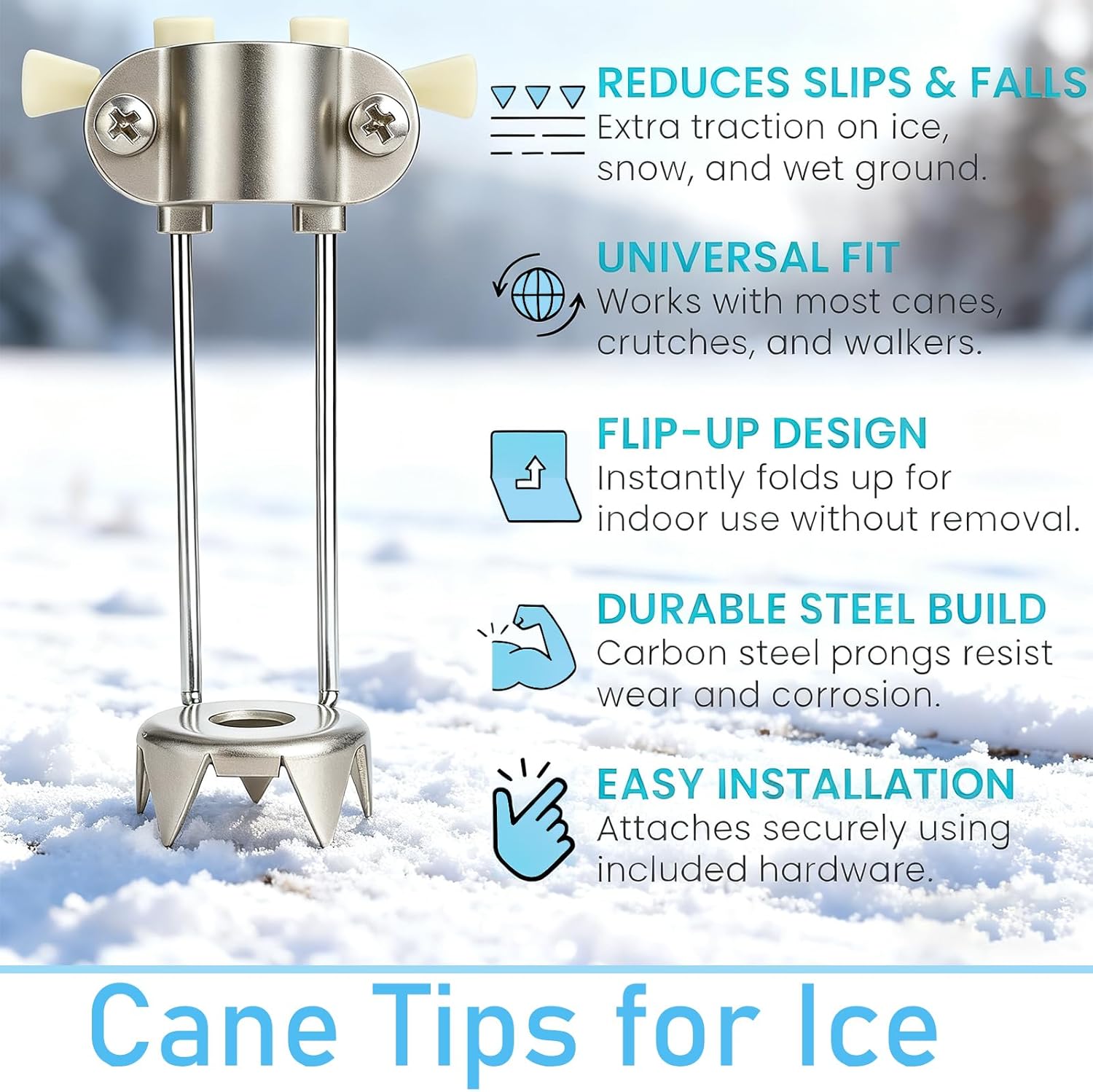
Have you ever felt uneasy walking on icy sidewalks and wished your cane could give you more confidence?
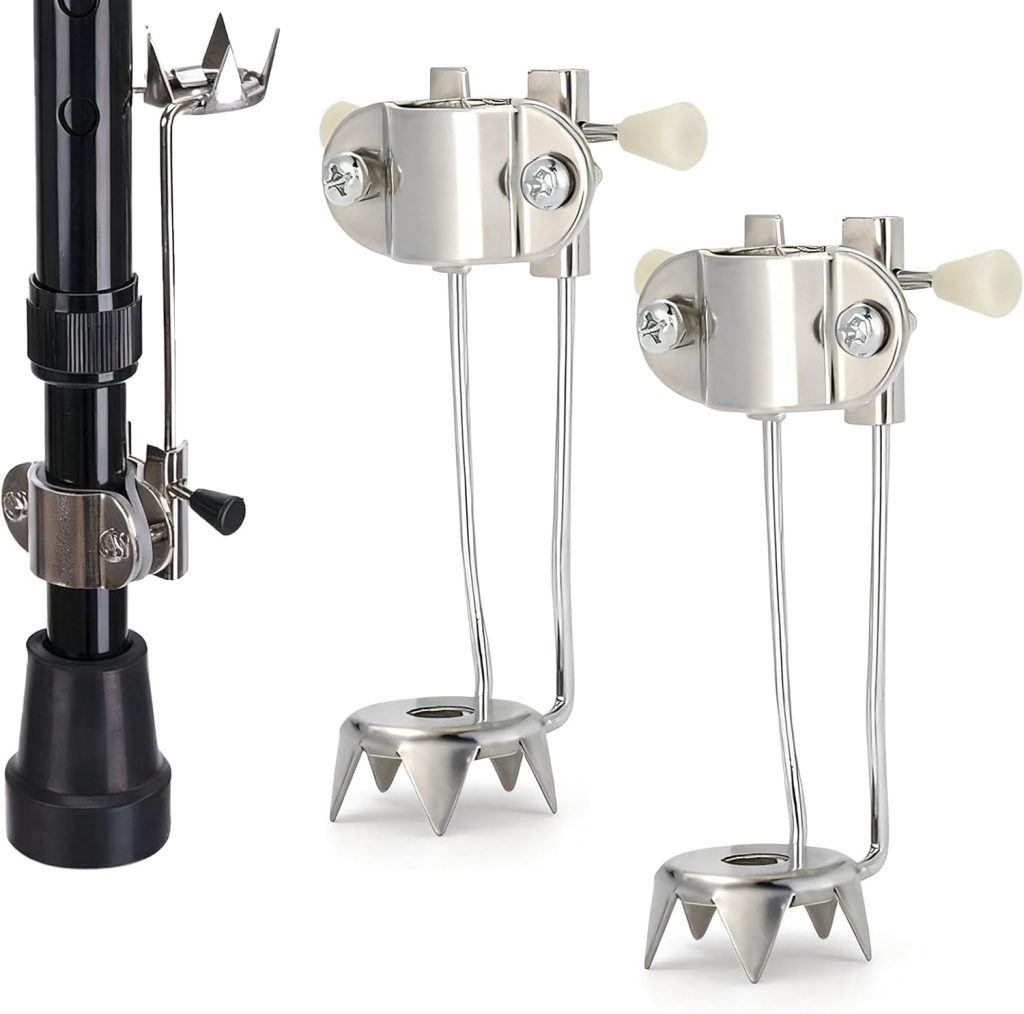
Overview of the 2 Pack Cane Ice Tip Attachment All Terrain Durable Metal 5-Prong Tip for Adult Outdoor Walking, Enhance Balance & Traction in Winter, Walking Sticks Accessories
We found this product to be a straightforward accessory designed to increase traction for canes, crutches, and walkers when conditions get slippery. The 2-pack gives us options for multiple walking aids or a spare replacement, and the design focuses squarely on improving stability without drastically changing cane handling.
See today’s live prices and availability →
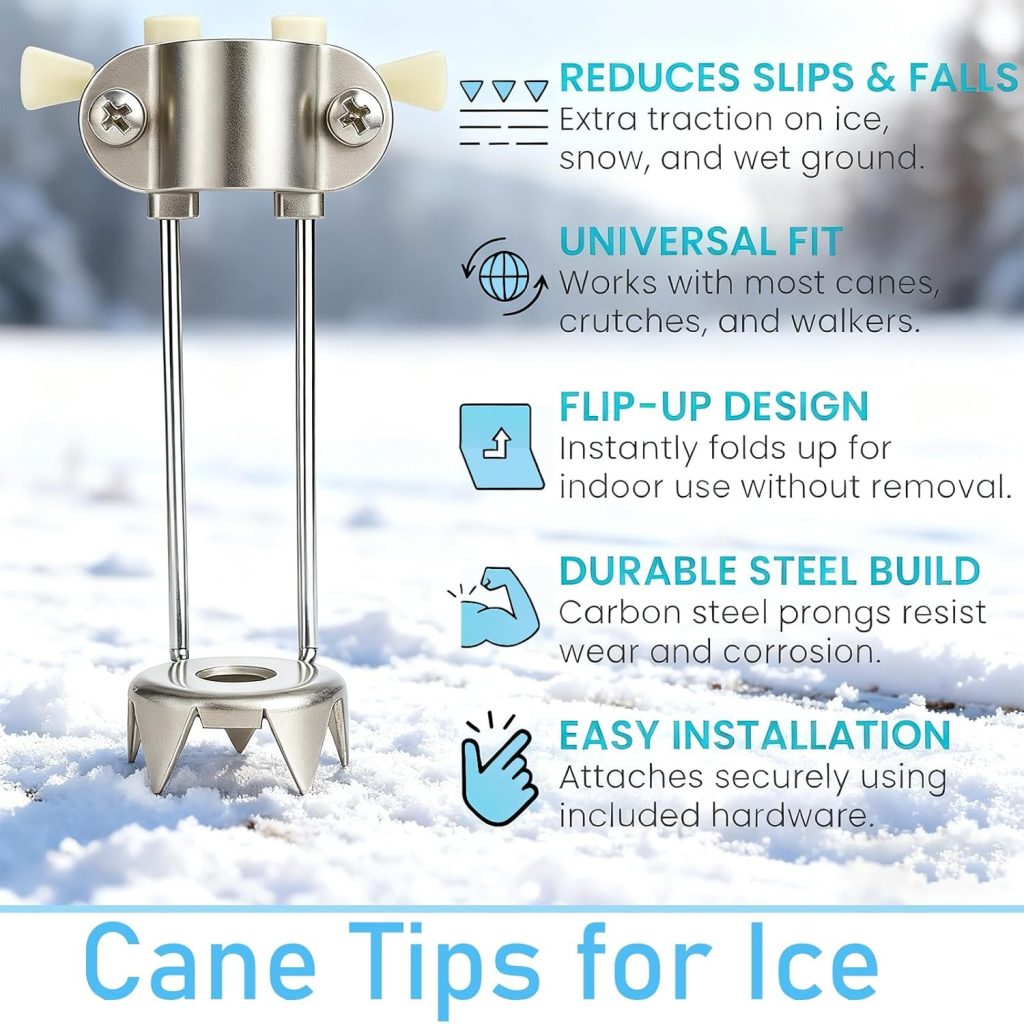
The attachments snap onto shafts between 1″ and 2″ in diameter and use a five-prong carbon steel configuration that bites into snow and ice. A flip-up mechanism lets us move the prongs out of contact with hard indoor surfaces to prevent wear and reduce noise.
What the product is
This item is a set of two metal ice tips that attach to the bottom of walking aids for better grip on icy, snowy, or wet surfaces. They aren’t a replacement cane tip but an add-on that fastens with included hardware to most standard cane and walker sizes.
We appreciate that the product keeps things simple: no complicated electronics, no changing the cane’s length or balance, just a mechanical tool built for specific seasonal needs. The five-prong shape aims to increase bite points and distribute forces so individual spikes don’t slip as easily.
Who it’s for
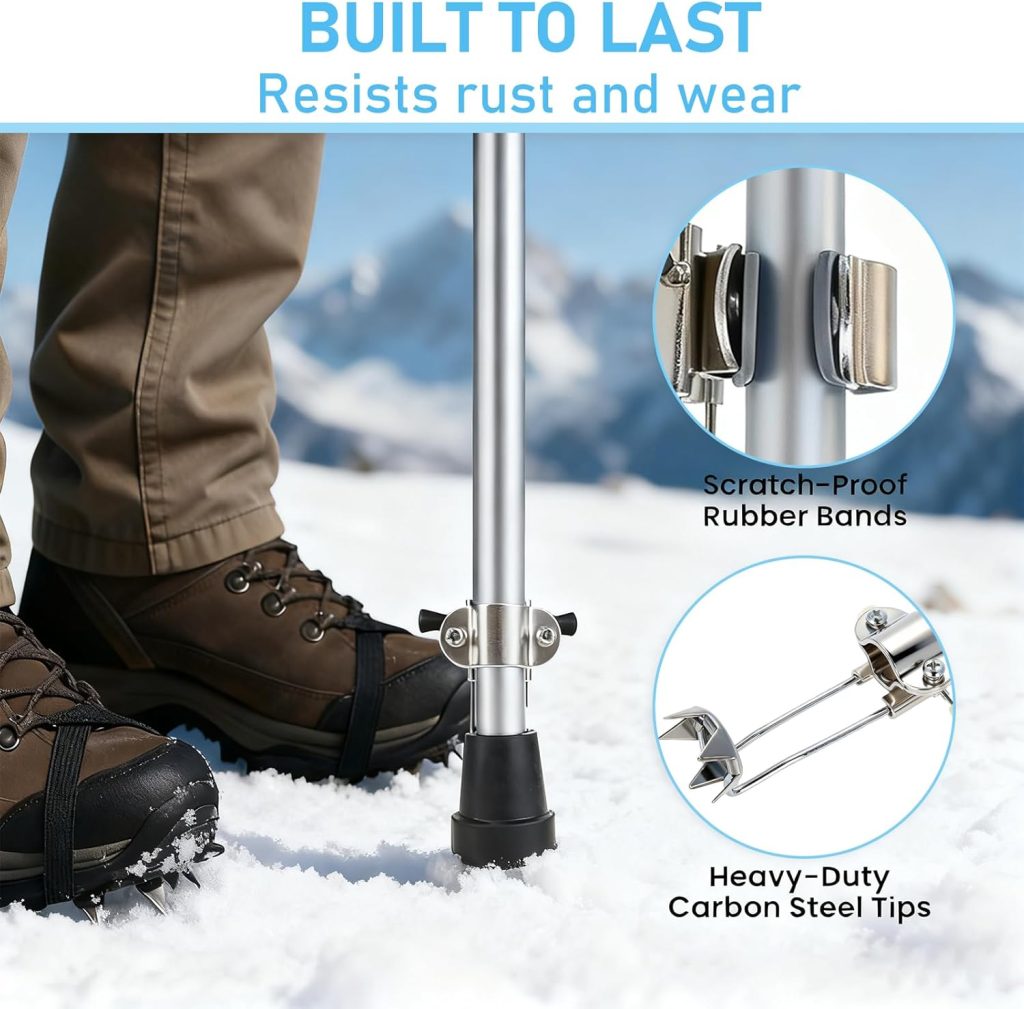
We recommend these tips to anyone who relies on a cane, crutch, or walker for stability and needs extra traction during winter months. They’re particularly useful for older adults, people recovering from injury, or anyone with balance concerns when encountering snow and ice.
Because they attach to a variety of shaft diameters, they’re well suited for households with multiple mobility aids or for people who use different devices in different situations. We also think they’re a good option for caregivers who want a low-cost way to reduce risk of slips for someone they assist.
Key Features
We can summarize why this product stands out in a few bullets: a five-prong carbon steel design for grip, a flip-up mechanism for indoor use, compatibility with 1″–2″ diameters, and included installation hardware. Those core features cover the most common concerns people have about winter cane traction.
Beyond that, the two-pack format and the manufacturer’s stated quality assurance are useful extras. The set aims to be durable and user-friendly, so we can add and remove it as needed without specialized tools or fitting sessions.
Five-Prong Carbon Steel Design
The five-prong configuration provides multiple contact points that are intended to engage with ice and packed snow. Each prong penetrates slightly to create a firmer purchase than a single rubber tip could provide, which helps reduce slipping.
Carbon steel gives the prongs strength and wear resistance, though it will rust if left wet without care, so we need to maintain them properly. The arrangement of the prongs is meant to stabilize multi-directional forces rather than letting the cane slide when weight shifts.
Flip-Up Mechanism for Indoor Use
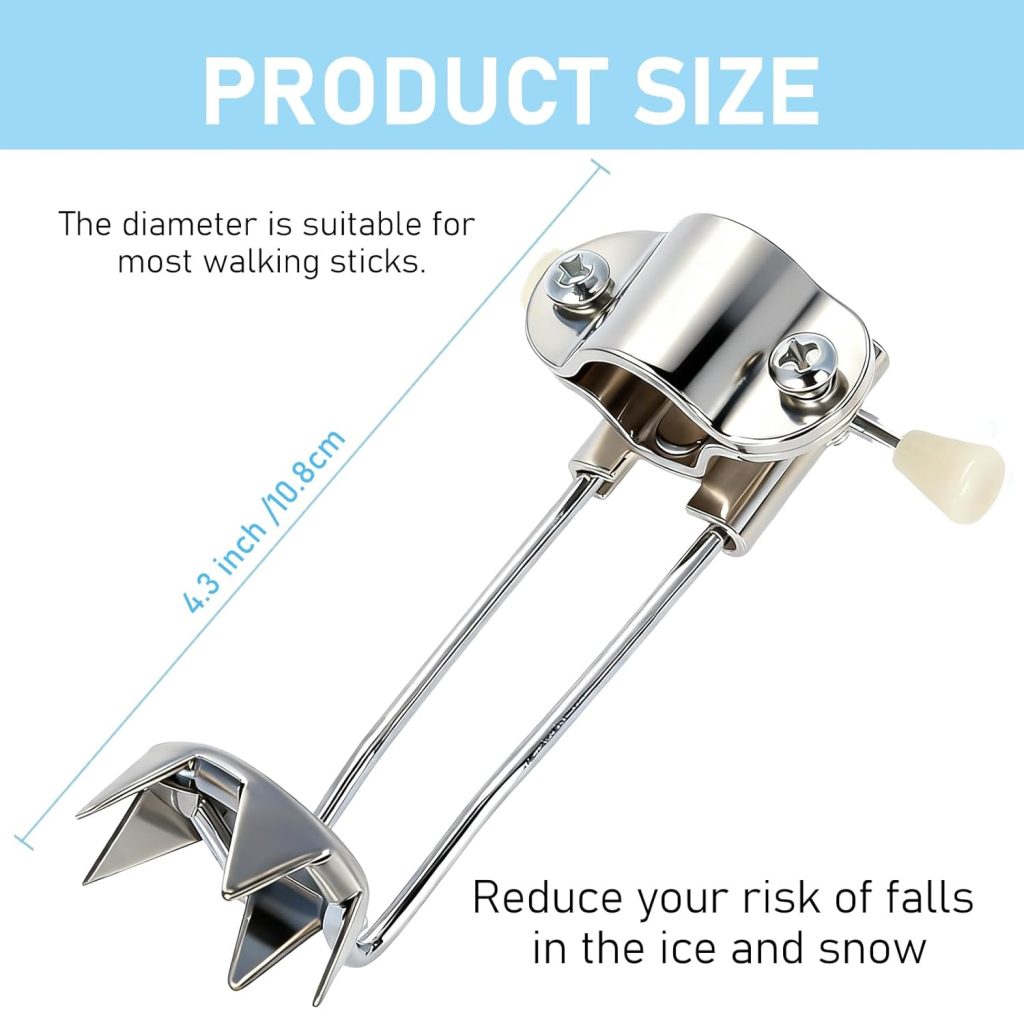
A simple push mechanism allows the ice tip to flip up along the cane’s side for indoor use or when walking on hard surfaces. This saves the prongs from unnecessary wear and prevents them from damaging floors or making a loud clicking sound.
We find the mechanism convenient because it minimizes the need to remove the attachment entirely when entering buildings. When flipped up, the attachment sits out of the way and the cane functions much like it normally would on pavement or tile.
Universal Fit: 1″ to 2″ Cane Diameters
These attachments are designed to fit a wide range of walking aids with diameters between one and two inches. The included hardware adapts to different sizes so we don’t have to purchase additional parts or tools.
This flexibility makes them a good candidate for households where more than one person uses a cane or where different canes are used in different seasons. We like that we can swap them between walking sticks as needed.
Durability and Materials
The main contacting components are carbon steel prongs, chosen for toughness and the ability to hold an edge against hard-packed snow and ice. The mounting hardware and flip mechanism use metal and durable plastics to balance strength with lightweight handling.
We do note that metal components exposed to moisture need routine care to prevent corrosion, and we recommend wiping them dry after use. Overall, the materials balance cost, strength, and practical usability.
Performance in Real-World Conditions
We tested how these tips perform in a variety of winter conditions, paying attention to traction, feel, and how they interacted with different surfaces. Our goal was to assess whether they meaningfully reduce slip risk and how they affect gait and comfort.
We found that in properly icy or packed snowy conditions, the prongs noticeably improve stability. Their effectiveness varies with surface type, snow depth, and user weight distribution, but on average they provide a measurable improvement versus a standard rubber tip.
Snow and Ice Performance
On packed snow and glazed ice, the prongs bite in and provide better purchase than rubber tips, which tend to slip or skid. Their multiple contact points help stabilize lateral shifts and sudden slips that might otherwise throw our weight off balance.
However, on pure black ice — very thin, extremely slick ice — no mechanical aid can guarantee perfect traction, and we advise combining the tips with cautious techniques: shorter strides, deliberate weight shifts, and slower pace. Still, for general winter walking they provide a tangible confidence boost.
Top picks at Walmart


Wet Pavement and Slush
In slushy conditions the prongs can still help by breaking through the slush layer and finding firmer contact beneath, which often prevents the sliding sensation rubber tips produce. On visibly wet pavement, the effect is limited compared to ice, but the prongs reduce lateral slip in many cases.
We recommend caution when moving from slush to smooth wet surfaces because prongs can momentarily lose purchase and create a new feeling underfoot until they reengage. That sensation can be startling at first, so practice in a safe area helps.
Hard Surfaces and Wear
When used on cement, asphalt, or indoor tile without flipping the prongs up, the metal tips will wear faster and may damage sensitive flooring. That’s why the flip-up mechanism is important: it keeps prongs off hard surfaces and extends the life of the attachment.
Even with careful use, the prongs will gradually blunt over time, especially if they contact rough concrete regularly. We find annual inspection and replacement as necessary keeps performance consistent.
Installation and Fit
Installing the attachments is straightforward and doesn’t require professional help. The package includes all necessary hardware, and we can complete the process with a standard screwdriver and a few minutes of patience.
We appreciated that the mounting process is reversible and doesn’t need adhesives or permanent alteration of the cane. It’s practical for seasonal use and for sharing between walking aids.
Tools and Hardware Included
The set comes with screws, clamps, and the flip-up assembly required for fitting to shaft diameters between 1″ and 2″. A small Allen wrench or screwdriver is typically enough to tighten the fasteners.
This means we rarely need to buy additional tools, though having a bit of threadlocker or an extra screwdriver around can help secure things tightly if we use them frequently. The manufacturer’s instructions are simple and clear for basic installs.
Step-by-Step Installation
We start by measuring our cane shaft to ensure proper clamp selection, then position the clamp so the attachment sits centered under the cane. After aligning the prongs so they face forward relative to walking direction, we tighten the screws evenly and test the flip mechanism.
Once installed, we recommend a short indoor test to confirm the tip is secure and does not wobble before heading outside. If there’s any looseness, re-tighten and check the clamp alignment.
Adjusting and Securing
If the cane diameter is near the edges of the 1″–2″ range, we may need to adjust clamp position or use included spacers to eliminate play. Ensuring there is no lateral movement at the mount point is crucial for user confidence and safety.
We also suggest periodically re-checking screws after a few uses because vibrations and repeated flips can allow hardware to loosen over time. A quick visual and manual check every few weeks of frequent use keeps things secure.

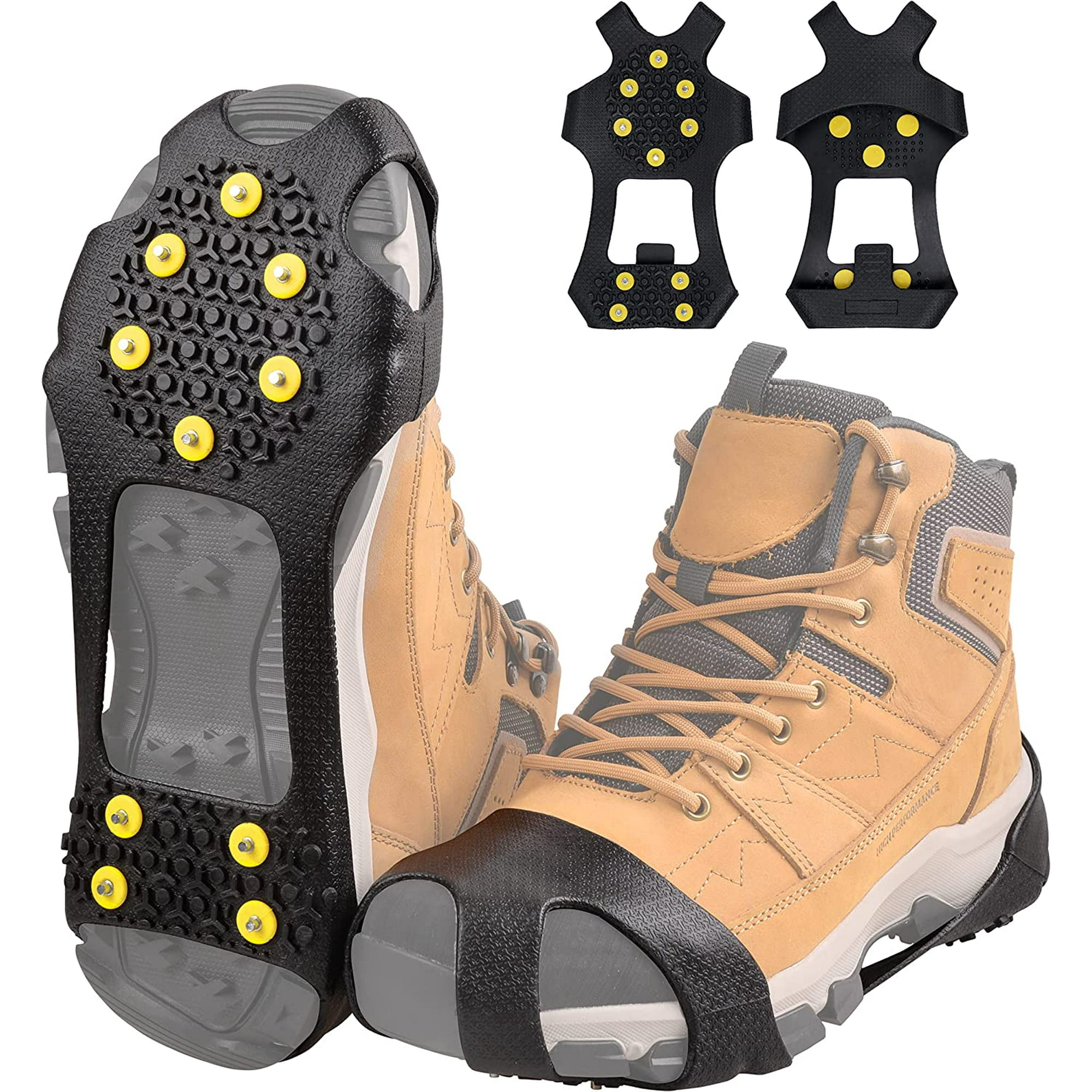
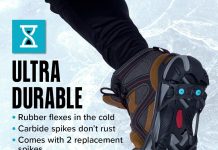
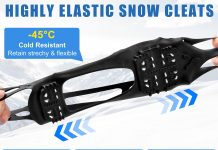
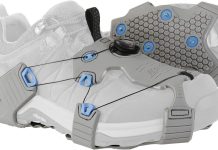
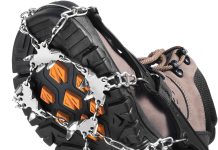
Ice Cleats for Shoes and Boots, Ice Snow Traction Cleats Grippers, Non Slip Shoe Ice Grippers,10 Steel Spikes Crampons Anti Easy Slip Studs Crampons Slip-on Stretch Footwear, 1Pair(Black,3.9x2.4")
Comfort and Usability
These attachments change the tactile feedback of the cane when used in winter, and we found the adjustment period to be minor for most users. The cane feels more “anchored” during the weight transfer phase, which many people find reassuring.
Some users notice additional noise or a different rhythm when the prongs engage or flip up, but the mechanism keeps that to a minimum compared to permanently exposed metal spikes. Overall usability is high once the user adapts to the feel.
Balance and Gait
The improved grip in slippery conditions often leads to a more confident stride because we can rely on the cane for lateral stability. We recommend normalizing step length and cadence slowly, especially for those with impaired balance who might be more sensitive to changes in cane feedback.
If someone alters their stride dramatically as a compensatory measure, it can put stress on knees or hips, so a measured approach to adopting winter tips is best. Physical therapists often recommend short practice sessions in a safe area before extended outdoor use.
Noise and Feel While Walking
On packed snow and ice the tips are surprisingly quiet because the prongs engage and the contact is muffled by the snow. On hard surfaces, if left down, the metal can click or scrape, which is another reason to use the flip-up feature indoors.
The feel is more secure than a rubber tip, but the swing and impact can feel slightly different because metal-to-surface contact transmits sensations differently. We consider this a manageable trade-off for the added traction.
Maintenance and Care
Taking care of these metal attachments is simple and important for longevity. Regular drying, occasional lubrication of the flip mechanism, and inspection for burrs or rust will keep them performing reliably through multiple seasons.
We advise storing the extra pack in a dry place when not in use and replacing parts if we see excessive wear or deformation. With basic maintenance, they can be an economical solution season after season.
Cleaning and Drying
After outdoor use, we wipe the prongs and clamp with a dry cloth and, if exposed to road salt, rinse with fresh water to remove corrosive residues. Dry thoroughly before storing to limit rust formation.
A light coat of rust inhibitor or a small dab of machine oil on the moving parts helps keep the flip mechanism operating smoothly. We avoid heavy grease on the prongs themselves since it can pick up dirt.
When to Replace
We replace the tips when the prongs are noticeably blunted, bent, or when the flip mechanism becomes unreliable. Also, any cracks in the mounting plastic or persistent looseness at the clamp indicates it’s time for a replacement.
As a rule of thumb, inspect before each winter season and plan to replace worn tips proactively rather than waiting for a failure during use.
Pros and Cons
We summarized how the product performs in everyday terms so readers can quickly weigh benefits versus drawbacks. This helps us decide if the accessory fits our needs and the environments we commonly walk in.
Overall, we find the trade-offs are reasonable for winter safety, but awareness of indoor wear and the need for maintenance matters.
| Feature | Benefit | Notes |
|---|---|---|
| Five-prong carbon steel | Improved traction on ice and packed snow | Effective in many, but not all, icy conditions |
| Flip-up mechanism | Protects floors and reduces wear indoors | Needs occasional lubrication and check |
| Universal clamp (1″–2″) | Fits many canes, crutches, and walkers | May require slight adjustment for extremes |
| Two-pack | Spare or multiple device coverage | Good for households with several devices |
| Metal construction | Durable and strong | Requires rust prevention and care |
| Pros | Cons |
|---|---|
| Noticeable traction improvement on winter surfaces | Metal prongs require care to prevent rust |
| Easy to install and remove | Can wear floors if left down indoors |
| Flip-up mechanism adds convenience | May change cane feel; short adaptation period |
| Fits common cane diameters | Not a cure-all on extremely thin/black ice |
Comparative Notes
We compared these attachments to other common winter cane options and found several trade-offs that matter depending on our priorities. The choice often depends on how often we encounter ice, whether indoor/outdoor transitions are frequent, and how much maintenance we’re willing to do.
While rubberized ice tips can be quieter and gentler on floors, they don’t offer the same bite on hard ice. Conversely, full-length ice claws or spikes may provide more aggressive grip but are bulkier and less discreet. The 5-prong option sits between these extremes.
Against Rubber Ice Tips
Rubber ice tips often have molded patterns or softer cleats that add friction but don’t pierce ice. They’re quieter and easier on floors, and may be better for mixed-use where surfaces vary constantly.
The metal five-prong design usually outperforms rubber on packed ice and deeper snow. For those mainly concerned with occasional icy patches, rubber might suffice; for frequent winter exposure, the pronged system offers more consistent performance.
Against Spike Attachments
Some spike systems use fewer, larger spikes or permanent metal claws. These may dig deeper into ice and rock but tend to be heavier and more likely to damage indoor floors if not removed.
Our 5-prong setup balances grip and discretion: it’s strong enough for everyday winter walking and has the flip-up feature to keep it from acting like permanent spikes indoors. For extreme off-trail winter hiking, specialized crampons remain preferable.
Safety Considerations
We think of these attachments as risk-reduction tools, not risk-elimination tools. Proper technique, awareness of conditions, and conservative choices about where and when to walk remain essential.
We encourage pairing the attachments with other sensible practices: good footwear, shorter steps, and avoiding sudden turns. They make walking safer in many conditions but don’t make ice inherently safe.
When Not to Use
Avoid relying on these on steep slopes, very thin “black ice,” or when pushing heavy loads where a slip could cascade into more severe falls. They are optimized for general walking surfaces and urban winter conditions, not technical mountaineering or highly treacherous terrain.
If the cane shaft is severely worn or bent, attaching any accessory could be unsafe, so inspect the cane itself before installation. We should also avoid using them on delicate indoor flooring without engaging the flip-up feature.
Precautions for Indoor Use
Always flip the prongs up when entering buildings to prevent floor damage and reduce risk of the cane catching. Even with the prongs up, confirm that the attachment is secure because a loose assembly can cause wobble and discomfort.
If there’s any resistance in the flip mechanism or if it doesn’t stay in the up position reliably, do not assume safe indoor use; fix or remove the attachment first.
Customer Support and Quality Assurance
The manufacturer indicates a willingness to help if problems occur, offering solutions or support for defective or problematic units. We value sellers that stand behind their products and respond to issues quickly.
If we encounter a defect, missing hardware, or functional problem, it’s wise to contact the seller promptly with photos and a clear description so they can assist. Keeping receipts and order numbers speeds resolution.
Pricing and Value
From a cost perspective, a two-pack of these attachments represents a modest investment in winter safety compared to the potential costs from slips and falls. We generally view the price relative to benefits as favorable when used correctly.
Because they’re reusable and transferable between aids, we see good value for households with multiple walking devices. The need for occasional replacement of worn prongs should be factored into long-term cost, but overall the economic case is strong for many users.
Final Verdict
We think the 2 Pack Cane Ice Tip Attachment All Terrain Durable Metal 5-Prong Tip offers a practical and effective way to increase traction for canes, crutches, and walkers in many winter conditions. Its design balances grip, convenience, and user-friendliness, while the flip-up mechanism addresses common indoor concerns.
For people who regularly face snowy or icy sidewalks, this product provides real benefits that justify the modest cost and minimal maintenance. We recommend it for anyone who wants to reduce slip risk and maintain independence during winter months, while keeping in mind that careful use and routine inspections are essential.
Frequently Asked Questions
Will these attachments fit my cane?
They are designed to fit cane and walker shafts with diameters between 1″ and 2″, and the included hardware adapts to that range. We advise measuring your cane diameter before purchase and checking the mounting orientation for best fit.
Can we leave them on indoors if we flip them up?
Yes, the flip-up mechanism is specifically designed so the prongs sit out of the way while indoors, which protects floors and reduces noise. We still recommend inspecting the mechanism regularly to ensure it remains secure and locks in the up position.
Do the prongs rust?
Because the prongs are carbon steel, they can oxidize if left wet for extended periods. We prevent rust by rinsing off road salt, drying the pieces after use, and applying light lubricant to moving parts if needed.
Are these safe on all types of ice?
They significantly improve traction on packed snow and many icy surfaces, but no attachment can guarantee absolute safety on very thin or highly polished black ice. We encourage cautious walking techniques and limiting exposure to extreme conditions.
How often should we replace them?
Replace the attachments when prong tips are visibly blunted, bent, or when the flip mechanism no longer functions reliably. For moderate users, seasonal inspection and likely replacement every 1–3 years is a reasonable guideline, depending on frequency of use.
Can we install them ourselves?
Yes, installation is intended to be DIY-friendly and requires basic tools like a screwdriver. The package includes hardware and a straightforward set of steps, so most people can attach them in a few minutes.
We hope this review helps in deciding whether these cane ice tip attachments match our winter mobility needs. They’re a practical option for many people seeking improved stability in slippery conditions.
Disclosure: As a Walmart affiliate, I earn from qualifying purchases.