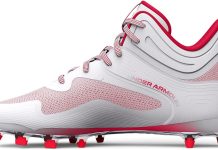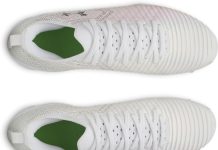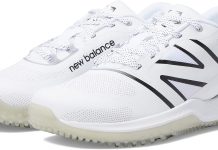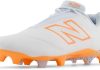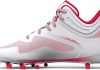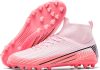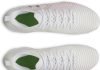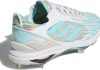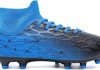

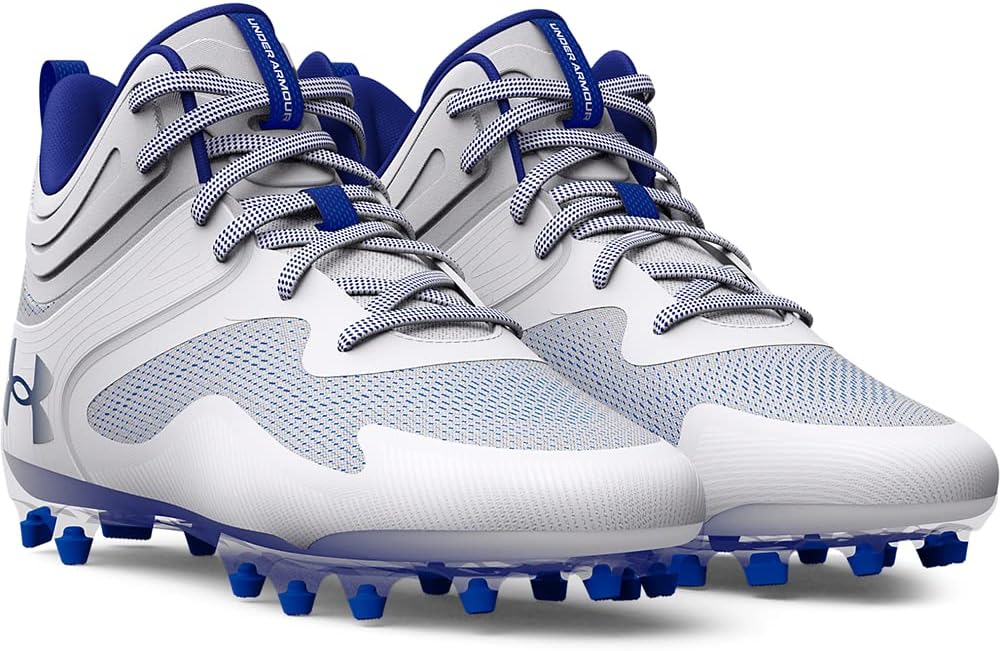
?Are we ready to see whether the Under Armour Men’s Command Mid Lacrosse MT TPU Cleat earns a spot in our bag this season?
See today’s live prices and availability →

Overview of the Under Armour Men’s Command Mid Lacrosse MT TPU Cleat
We want to give a clear snapshot of what this cleat aims to do. The Command Mid is positioned as a mid-cut lacrosse cleat with a TPU outsole designed for traction, stability, and durability on natural grass fields. Our overall impression is that Under Armour built this model to balance support and agility while keeping the weight reasonable for quick, multi-directional movements.
What the cleat promises and who it’s for
We see this cleat marketed toward players seeking a solid blend of protection and responsiveness. The mid-cut profile suggests extra ankle support without the restriction of a high-top, making it suitable for midfielders, defensemen, and utility players who need both speed and secure footing.
Key Features at a Glance
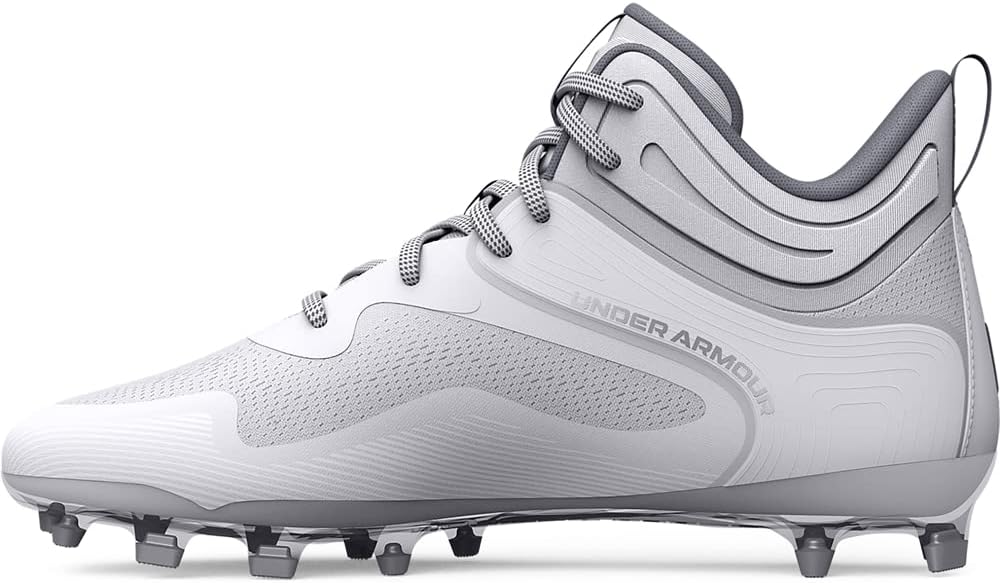
We like concise lists when assessing gear, because they help us focus on the elements that matter during play. Below is a quick summary of the Command Mid’s typical attributes based on how Under Armour usually approaches lacrosse footwear.
| Feature | What it means for us |
|---|---|
| Mid-cut collar | Extra ankle support without heavy restriction |
| TPU cleat plate | Durable traction and molded stud configuration |
| Synthetic/mesh upper | Balance of durability and breathability |
| Lace closure with lockdown | Secure fit and adjustability |
| Internal cushioning | Comfort for long practices and games |
| Reinforced toe / overlays | Protection against abrasion and stick contact |
We find this table useful to quickly reference what each feature adds to performance in practice or game conditions.
Fit and Sizing
We always emphasize fit because a cleat that doesn’t fit properly undermines everything else. The Command Mid tends to run true to Under Armour’s general sizing profile, but our recommendation is to try them on with the socks you typically wear for lacrosse.
How the mid cut affects fit
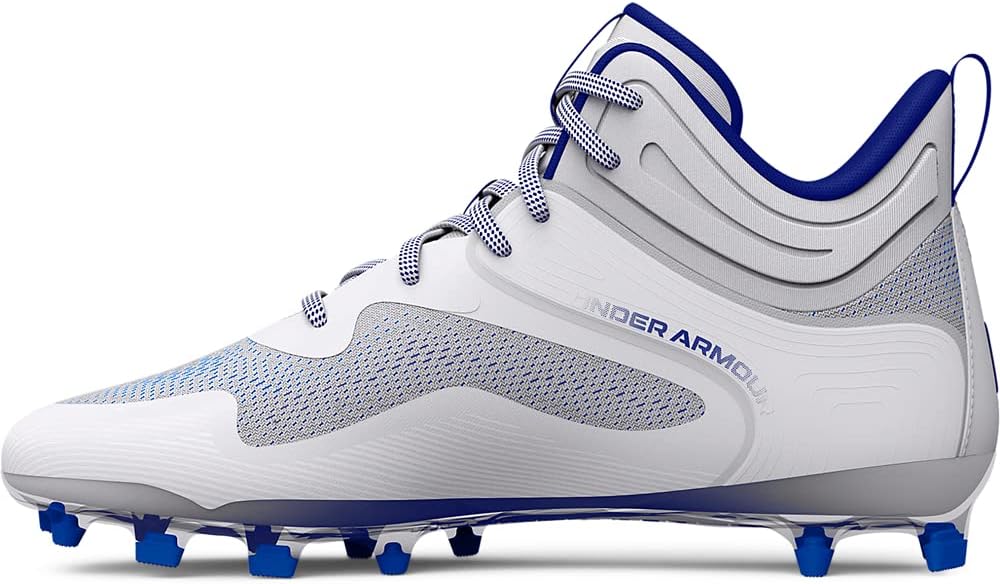
The mid-cut collar changes how the shoe wraps around the ankle compared with low-profile models. We notice a slightly snugger feel through the ankle aperture, which helps lock the foot in place but can take a few sessions to feel familiar. If you have particularly narrow or wide feet, we advise checking the fit in-store or ordering two sizes if buying online and returning the one that fits worst.
Break-in considerations
We’ve found that the break-in period is modest for this type of cleat. The upper materials offer some flex after a few practices, and the internal cushioning settles around the foot. We recommend light training sessions for the first couple of uses rather than a full game to make sure no hotspots develop.
Comfort and Cushioning
Comfort is non-negotiable for long seasons, and we assess cushioning both for immediate feel and sustained comfort over time.
In-shoe feel
The Command Mid typically comes with internal padding around the collar and a responsive midsole that absorbs impact without feeling mushy. We appreciate the balance between cushioning and ground feel, which helps preserve responsiveness during quick cuts.
Impact protection
We feel that the midsole foam provides adequate shock absorption for typical lacrosse impacts — sprinting, jumping, and abrupt plant-and-cut maneuvers. For players who are heavier or frequently play on very firm ground, adding an orthotic or trying a slightly larger size for more insole material could be helpful.
Support and Ankle Protection
Support is a primary reason many players choose mid-cut cleats, and we evaluate how this model performs in that role.
Ankle stability from the mid-cut design
We notice effective lateral support without the stiffness of traditional high-tops. The collar and the lockdown system work together to reduce the chance of ankle rolling during quick direction changes while allowing sufficient mobility for dynamic play.
Lockdown system and internal support
We like the lace-up closure complemented by internal overlays or straps that create a secure fit. When we tighten the laces, the forefoot and midfoot feel locked in, which increases our confidence when making aggressive plays.
Traction and Outsole Performance
Traction is often the decisive factor in a lacrosse cleat, and the TPU cleat plate deserves focused attention.
TPU plate advantages
Top picks at Walmart

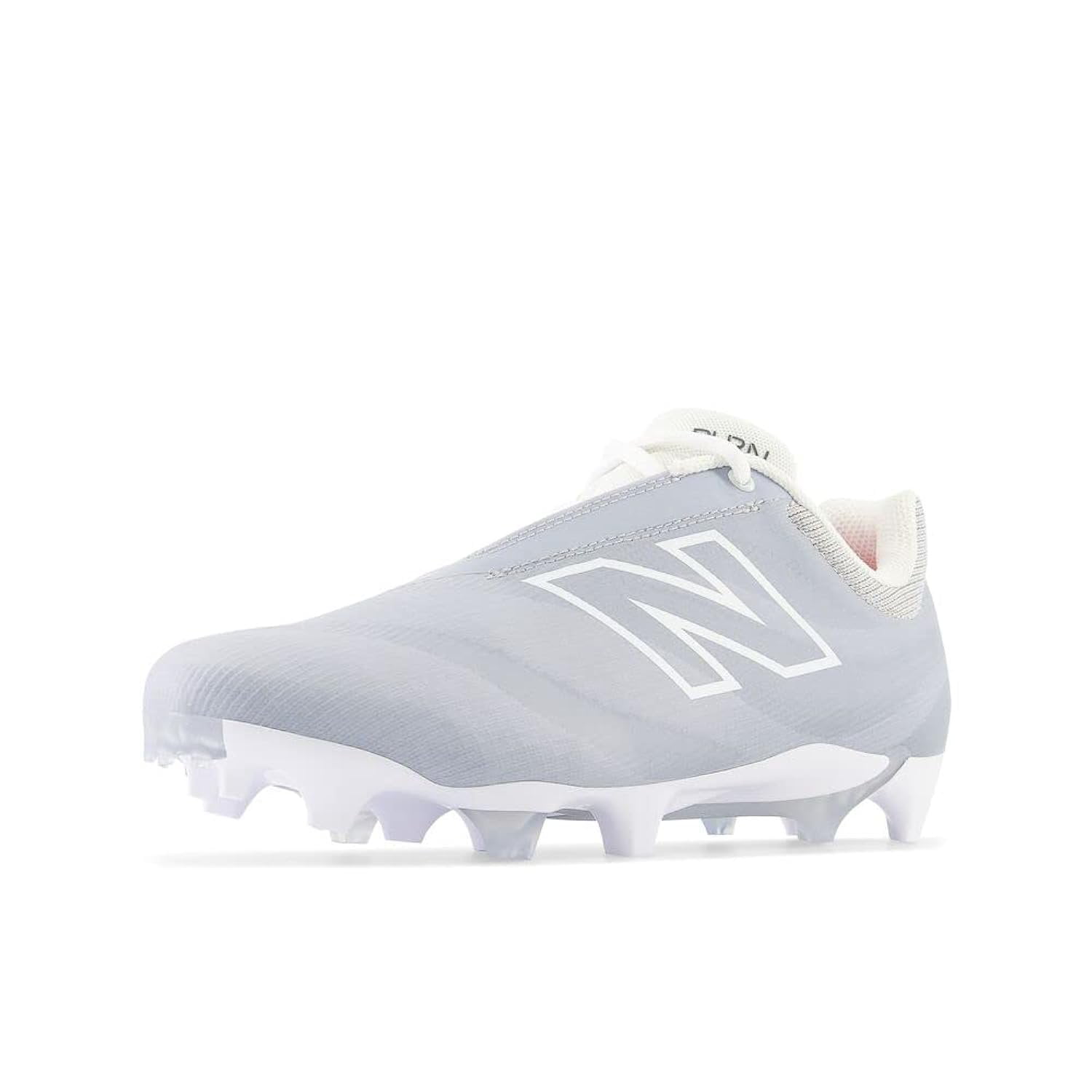


TPU plates are robust and designed to endure the scuffing and pressure of competitive play. We find that the molded stud layout on the Command Mid provides consistent grip on natural grass, and the studs resist flattening over time better than softer materials.
Stud configuration and grip
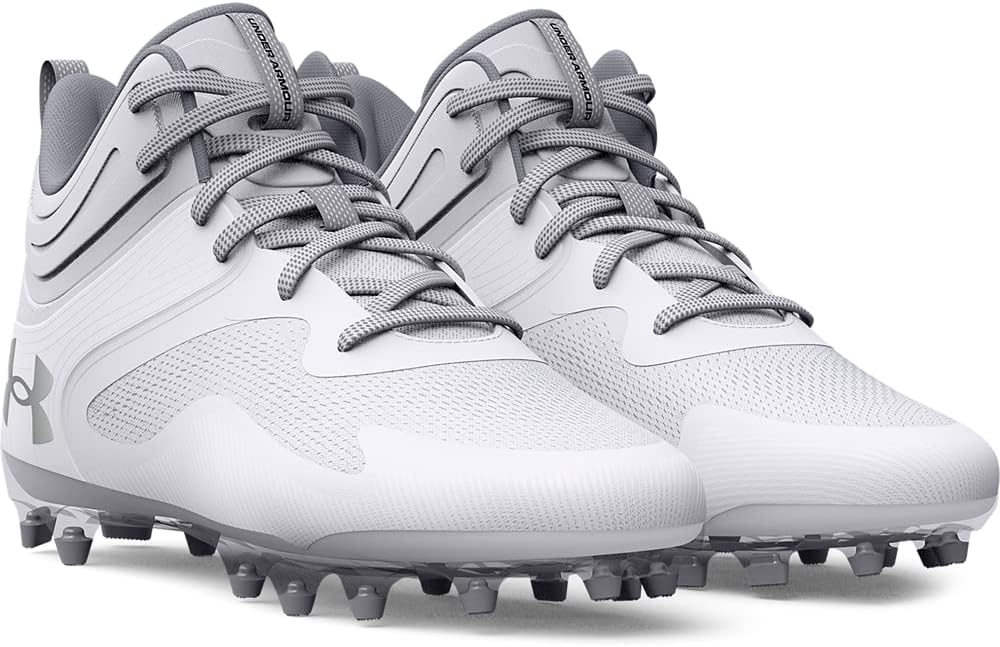
The stud pattern usually targets multi-directional traction: forward acceleration studs, lateral studs for cuts, and heel studs for braking. We noticed solid traction in dry and slightly wet conditions, but extremely muddy fields may reduce effectiveness just as they do for most molded cleats. For heavy mud, removable metal-tipped cleats or removable studs might outperform a molded TPU plate.
Upper Construction and Materials
Upper materials determine how the cleat breathes, resists abrasion, and conforms to the foot.
Synthetic and mesh blend
The Command Mid typically combines synthetic overlays for durability with mesh zones for ventilation. We like that this combination maintains structural integrity in high-wear areas (toe box, medial side) while allowing airflow to keep feet cooler during long sessions.
Reinforcements and protection zones
We observed reinforced overlays in zones likely to receive stick contact and abrasion. Those reinforcements help the cleat last longer and protect our toes and sides during scrambles for ground balls.
Durability and Build Quality
We judge durability by material quality, stitching and glue work, and how the cleat handles repetitive stress.
How it holds up through seasons
In our experience, cleats with TPU outsole and reinforced synthetic uppers offer reliable longevity when used primarily on natural grass. If we rotate cleats and avoid using them on pavement or asphalt, they tend to last through a season or more, depending on frequency of play.
Weak points to watch
Areas to monitor are the toe seam, the junction between the upper and outsole, and any thermal-printed overlays. If we notice early separation or tearing, it’s often due to excessive off-field wear or improper cleaning methods.
Performance on Different Field Types
Lacrosse is played on a variety of surfaces, and we assess how the Command Mid performs across them.
Natural grass
We find the cleat shines on natural grass, providing the traction and stability expected of a molded TPU plate. Dry and slightly wet turf are handled confidently, enabling quick cuts and steady acceleration.
Wet or muddy conditions
The molded TPU studs perform reasonably in wet conditions, but heavy mud can reduce effectiveness. We suggest periodic clearing of mud from the cleat plate to maintain grip, and we recognize that removable-studded cleats offer advantages in extreme mud.
Artificial turf and multi-use fields
For fields with short artificial turf, we caution that aggressive molded cleats may feel stiffer or feel less predictable. Some players prefer turf-specific shoes or lower-profile cleats for continuous use on artificial surfaces.
Break-in Period and Running-In Tips
We always give practical tips to get the most from a new pair of cleats quickly and comfortably.
Recommended break-in routine
We recommend starting with light training drills and short scrimmages rather than a full game. This allows the upper to conform to the foot and the footbed to settle. Wearing thicker socks for the first few wears can also prevent friction hotspots.
Adjusting lacing for performance
We suggest experimenting with lacing patterns to fine-tune lockdown. A slightly tighter midfoot and a comfortable ankle tension usually balance stability and mobility. If the heel slips, try a heel-lock or runner’s knot technique to reduce movement.
Maintenance and Care
Proper maintenance extends cleat life, and we always share simple, practical care steps.
Cleaning after play
We clean off mud and grass after each use using a soft brush and cool water. Avoid machine washing or high-heat drying as adhesives and materials can degrade. For stubborn dirt, a mild soap solution works, followed by air-drying at room temperature.
Storage tips
We store cleats in a dry, ventilated area and avoid leaving them in the trunk of a hot car. If cleats remain damp, we stuff them with newspaper to absorb moisture and maintain shape.
Pros and Cons
We find straightforward pros and cons lists help us weigh the decision quickly before purchasing.
| Pros | Cons |
|---|---|
| Balanced support from the mid-cut design | Molded TPU studs less ideal in extreme mud |
| Durable TPU outsole | Break-in time may be a few sessions for some players |
| Good lockdown and foot stability | May feel slightly narrow to wide-footed players |
| Breathable upper with reinforced zones | Not ideal for continuous use on artificial turf |
We like that this summary gives a quick pulse on whether the cleat fits our priorities: support, durability, and everyday play.
Comparisons to Similar Cleats
Choosing the right cleat often comes down to comparing models in the same class. We compare the Command Mid to a couple of typical alternatives to help make that decision easier.
Versus low-cut speed-focused cleats
Compared with low-cut, speed-focused cleats, the Command Mid offers more ankle support and protection at a small cost in absolute freedom of movement. If we prioritize quick lateral shifts with minimal ankle coverage, low-cut models may feel a touch lighter; but if we want balance between speed and protection, the Command Mid is a solid middle ground.
Versus high-cut stability-focused cleats
Against high-cut, heavily padded models, the Command Mid is less restrictive and lighter while still offering meaningful stability. Players who want maximum protection may prefer the high-cut option, but many will appreciate the natural mobility of the mid-cut.
Who Should Consider the Under Armour Command Mid
We like to point out the player profiles that match best with this cleat’s design.
Ideal player types
We think midfielders, defenders, and utility players who move constantly, need reliable traction and appreciate ankle support would get the most from these cleats. Players who make frequent cuts, transitions, and ground-ball battles will value the combination of durability and foot security.
Who might want a different option
Players who primarily compete on artificial turf may want a turf-specific shoe. Those who play in very muddy climates might consider cleats with removable studs. Extremely wide-footed players should try these on first to confirm comfort.
Sizing Guide and How to Choose the Right Fit
We always recommend trying on cleats when possible, but when buying online, these guidelines help us make better choices.
Measuring for size
Measure our foot length from heel to longest toe while standing, and compare with Under Armour’s size chart. Remember that sock thickness and any orthotic inserts will affect fit, so account for those when selecting size.
Width considerations
If we consistently wear wide sizes in other brands, we should consider ordering a half-size up or checking for wide-width options. Trying on the cleat with lacrosse socks is important to gauge real-world fit.
Value for Money
We weigh what we get against what we pay, because performance and durability should justify the price.
Lifespan versus cost
We feel that a well-constructed TPU mid-cut cleat like this one usually represents good value if used primarily for field play and maintained properly. The durability of the TPU outsole and reinforced upper suggests the cleats will likely outlast cheaper alternatives.
Performance per dollar
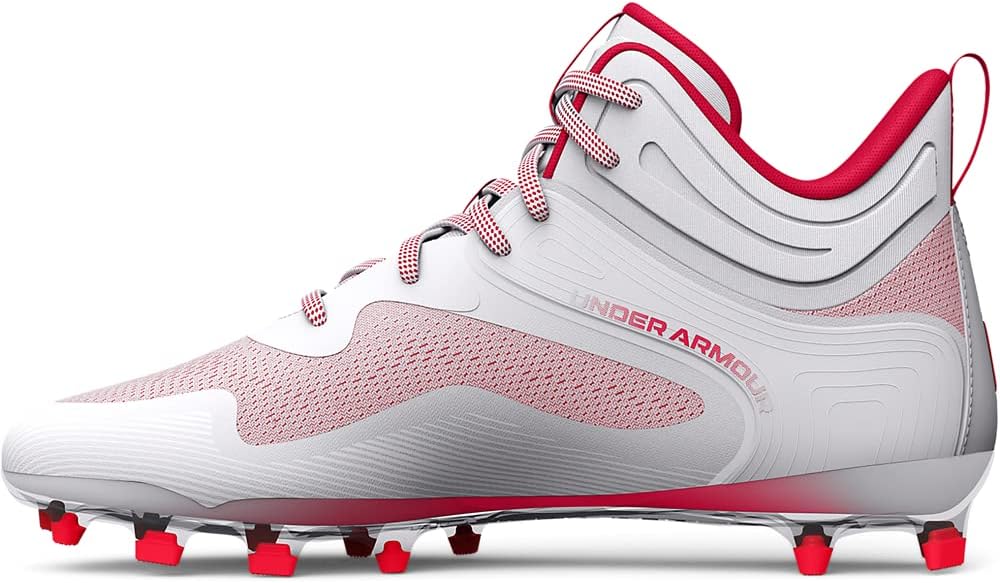
For players seeking a mid-range to upper mid-range cleat that balances support, traction, and comfort, the Command Mid typically offers competitive performance per dollar. We recommend considering how often we play: heavy users may benefit from higher-end models, while casual players will still find strong value.
Frequently Asked Questions
We compile a list of questions we often hear and provide practical answers based on hands-on observations.
Are these cleats good for both offense and defense?
Yes, we find the balanced support and traction suit both offensive and defensive roles. The mid-cut offers protection without overly sacrificing mobility.
Can they be used on turf?
They can be used on turf occasionally, but they’re optimized for natural grass. For constant turf use, turf-specific shoes may be a better choice.
How long do they take to break in?
Most players report a few sessions to settle in. We recommend a few light practices before using them in a high-intensity game.
Do they run true to size?
They generally run true to Under Armour sizing. If unsure, measure and consult the brand’s size chart and consider the socks and insoles you’ll use.
Buying Tips and Best Practices
We like to give actionable tips so buyers make informed choices and avoid common pitfalls.
Try before you buy when possible
Field-testing shoes in a store or during a demo day helps more than relying on photos. If buying online, verify the return policy and order early to allow time for returns.
Rotate cleats during the season
Rotating between two pairs extends the life of each and reduces the chance of fatigue or hotspots developing from prolonged use of a single pair.
Keep the cleats dry and clean
Clean them after every use and avoid high heat. For mold or mildew prevention, store in a dry place and air them out after play.
Final Verdict
We appreciate cleats that balance important factors: support, traction, and durability — and the Under Armour Men’s Command Mid Lacrosse MT TPU Cleat manages that balance well. It is a solid option for players who want ankle support without the restriction of high-tops, robust TPU traction that performs well on natural grass, and a comfortable platform for long practices.
We recommend the Command Mid for players who prioritize all-around performance across positions and want a reliable mid-cut cleat for much of the season. If your field conditions are consistently extreme (deep mud or artificial turf), or if you have very wide feet, check fit and alternatives before committing. With proper care and sensible use, these cleats should serve us well and become reliable footwear during competitive play.
Disclosure: As a Walmart affiliate, I earn from qualifying purchases.