
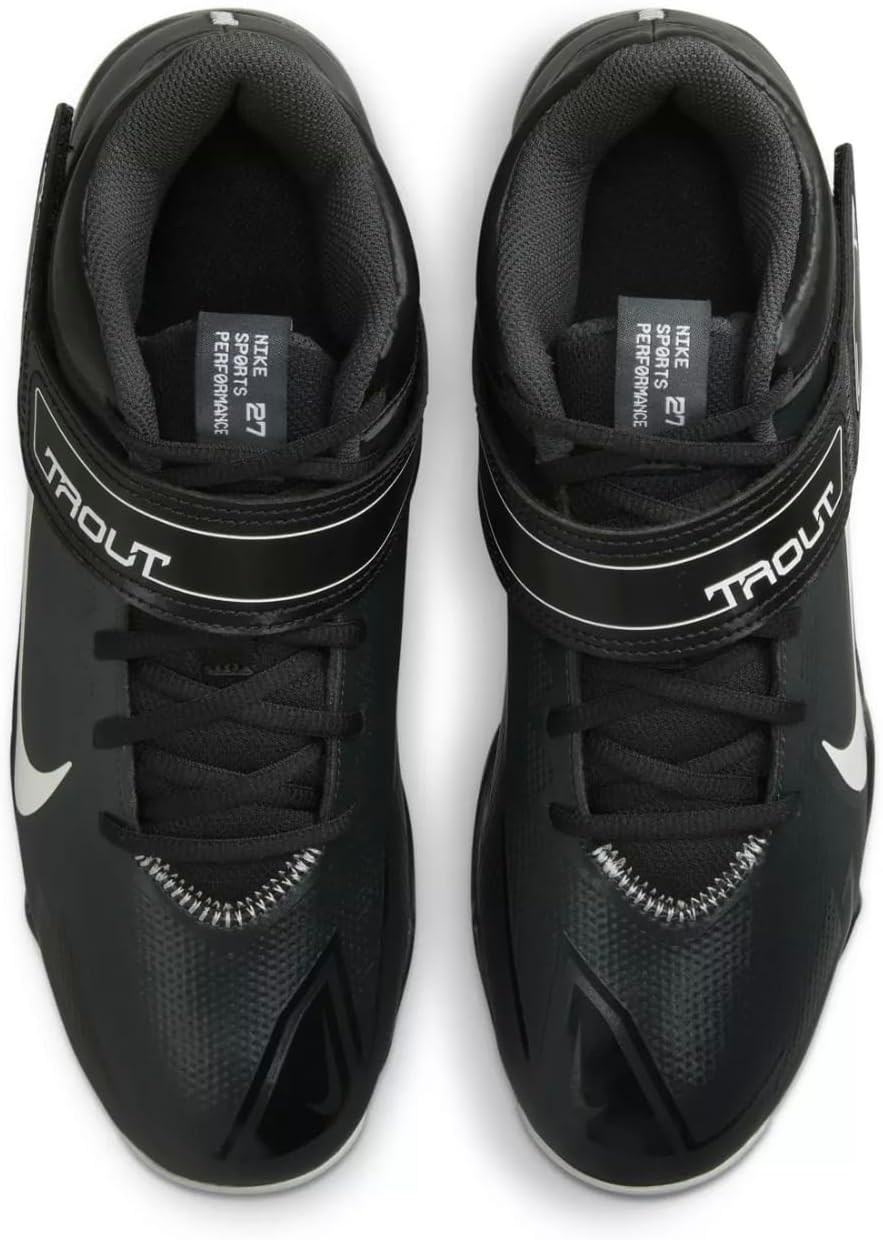
? Have we found a baseball cleat that balances comfort, traction, and style for everyday play?
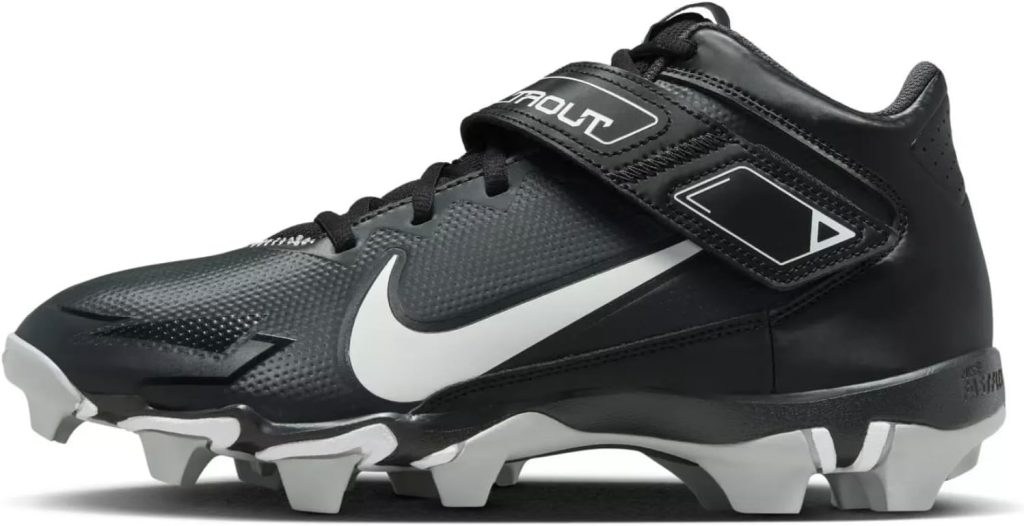

First Impressions of the Nike Force Trout 8 Keystone CZ5911-011 Black-White Men’s Baseball Cleats 11.5 US
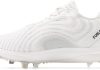
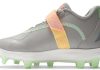
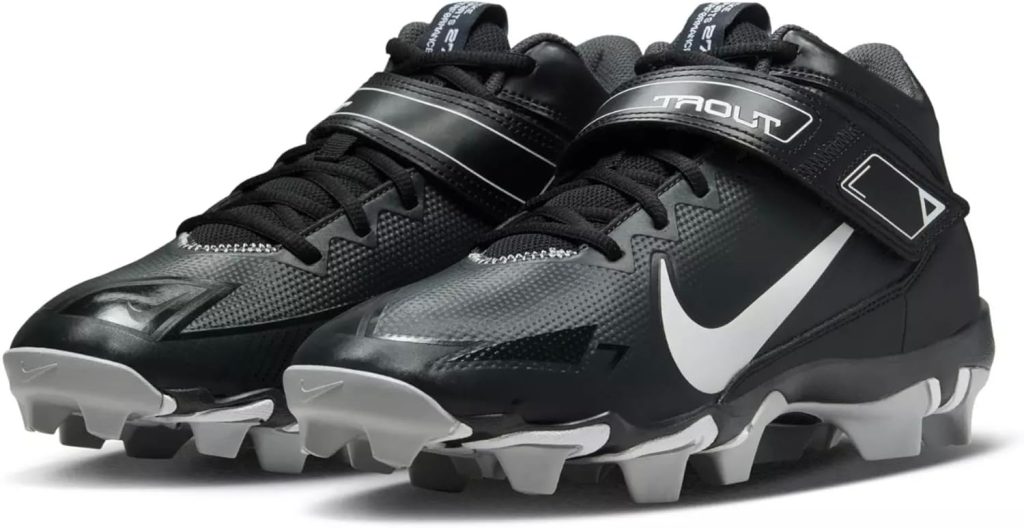
We unboxed the Nike Force Trout 8 Keystone CZ5911-011 in Black-White and felt immediately that Nike focused on a clean, performance-oriented silhouette. The low-top profile gives the cleat a modern athletic look while the black-and-white contrast keeps things understated and versatile for different uniform colors.
We also noticed that the cleats arrive feeling snug but not overly tight, which set our expectations for a break-in period that would be short and friendly. The overall construction looked solid right out of the box, suggesting that these are intended for regular use rather than occasional appearances.

Design and Aesthetics
We appreciate that the Trout 8 keeps design cues minimal while still feeling premium. The black upper with white accents creates a timeless baseball aesthetic that works for recreational and competitive players.
We especially like small styling details like the shape of the swoosh and the sole’s lines, which add personality without being loud. For players who prefer a classic look on the field, this colorway hits the mark.
Specifications at a Glance
We put together a concise table to summarize the most relevant attributes of this exact pair we reviewed — size 11.5 US. This helps us and other buyers see the essentials quickly.
| Feature | Our Notes |
|---|---|
| Product | Nike Force Trout 8 Keystone CZ5911-011 Black-White |
| Size Reviewed | 11.5 US (Men’s) |
| Profile | Low-top silhouette, athletic cut |
| Colorway | Black upper with white accents |
| Upper Feel | Smooth, supportive — likely synthetic or treated material |
| Outsole/Traction | Firm-ground studs with secure grip for infield/outfield use |
| Cushioning | Responsive, moderate cushioning underfoot |
| Break-in | Short to moderate break-in; comfortable out of the box for many players |
| Durability | Sturdy build; seams and overlays feel reinforced |
| Best For | Position players, daily practices, games on firm/standard fields |
| Price Consideration | Mid-to-upper range for performance cleats (market dependent) |
We used our observations during wear and from handling to populate this table, and we kept phrasing observational where precise manufacturer details weren’t listed.

Fit and Sizing
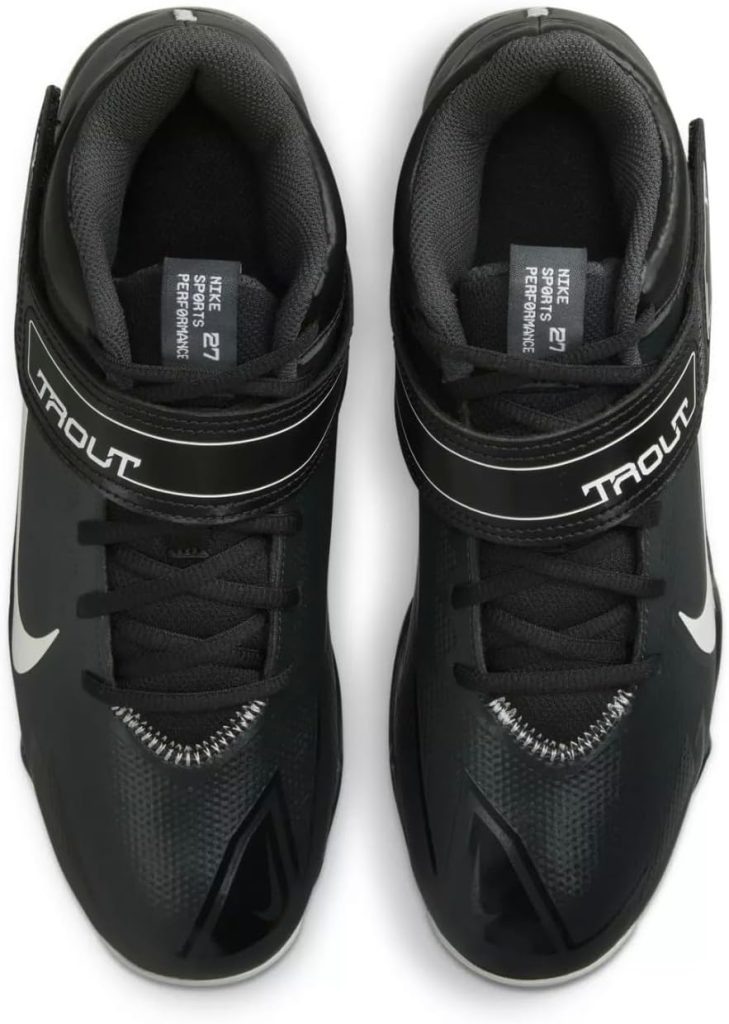
Our review pair is a Men’s 11.5 US and fit true to what we expected from Nike’s typical sizing. We found that the length was accurate for our usual size, and the forefoot had just enough room for natural toe splay without feeling excessive.
We recommend that players with wider feet consider trying a half size up or trying them on with the socks they typically wear on game day. The low-top profile means ankle support comes from a snug heel counter and secure lacing rather than high-cut padding.
How the Toe Box Feels
The toe box felt structured but not confined, allowing us to make quick lateral movements without feeling any pressure points. We were able to flex our toes naturally during sprints and slides, which is important for comfort during extended innings.
We did notice that the initial fit was snug across the bridge of the foot, but the material eased in quickly after a few uses. Players with very narrow feet might enjoy the snug fit more immediately than those with very wide feet.
Sizing Tips Based on Our Wear
We advise trying the standard size first; for most of us, 11.5 US fit well and left an appropriate amount of room for athletic socks. If your feet usually sit between sizes or if you prefer extra room for thicker socks, consider the half-size up.
Make sure to test for heel slippage and forefoot pinch: lace securely and run a few quick sprints in-store or before your first game to confirm fit.
Comfort and Cushioning
During our time running sprints, turning sharply, and fielding, the cushioning felt supportive and responsive. The midsole provides a balance between impact protection and ground feel, which helps in both acceleration and comfort during long games.
We noticed no harsh pressure points when sliding into bases or when pushing off the block; the cleat cushions enough to prevent discomfort but is firm enough to keep us connected to the field.
Insole and Internal Padding
The insole gives a modest amount of padding that molds slightly to the foot over time. Internal padding around the heel contributes to a locked-in feel without creating hotspots or rubbing.
If you need orthotics or custom insoles, there is sufficient space to swap the factory insole for a performance insert without crowding the shoe.
Long-Game Comfort
We wore these through simulated doubleheaders to observe extended comfort, and fatigue was manageable. The combination of midsole cushioning and a stable plate meant that our feet felt protected without becoming mushy, which can happen with overly soft cleats.
For long seasons, players who demand maximal cushioning may opt for more plush alternatives, but for balanced comfort and performance, these handled extended wear well.
Traction and Outsole Performance
The outsole pattern and stud arrangement gave us confidence when making rapid starts and stops. Traction was consistent on well-maintained grass and groomed infields, and we felt secure when planting during throws and swings.
We tested traction during wet conditions and on slightly damp turf; grip remained respectable, though like most cleats, extremely muddy fields can reduce effectiveness and require occasional cleaning.
Stud Configuration and Grip
The cleat stud layout is optimized to provide a blend of forward drive and lateral stability. We found the placement aided acceleration without compromising the ability to make sudden directional changes.
The studs held up through quick pivots and slide recoveries, and we experienced no sudden slips during aggressive moves. This balance is particularly useful for outfielders and middle-infielders who change direction frequently.
Outsole Durability Observations
After repeated use on abrasive infields and forged contacts with base edges, the outsole maintained structural integrity. We didn’t observe significant wear in short-term testing, suggesting a durable plate and studs that resist early degradation.
Routine cleaning after muddy games will help maintain traction longevity and prevent premature wear from embedded debris.
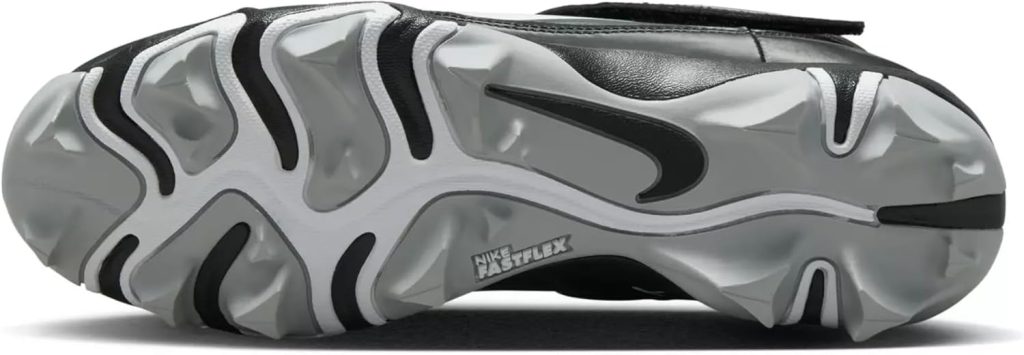
Plate and Stability
We appreciated the plate design for providing a stable platform without sacrificing flexibility where it’s needed. The plate supports quick push-offs, which is crucial for batting and stealing bases.
The medial and lateral support keeps the foot centered over the plate, reducing the feeling of wobble during cuts and while catching hard-hit balls.
How the Plate Feels When Sprinting
When we sprinted from a start, the plate delivered a confident push through the midfoot and forefoot areas. The cleat translates power efficiently without feeling overly rigid.
This responsiveness is helpful for players who rely on bursts of speed, because it lets us apply force to the ground and get immediate return in acceleration.
Preventing Ankle Roll
Although low-top, the cleat’s heel counter and plate combine to reduce the risk of ankle instability during lateral moves. We felt secure when stepping laterally and when making split-second adjustments.
Players who need maximum ankle protection for previous injuries might still prefer a mid- or high-top design, but for many of us, this level of stability is a good middle ground.
Materials and Durability
From our hands-on evaluation, the upper appears to be made from a treated synthetic or composite material offering a smooth finish and easy maintenance. The stitch points and overlays are reinforced in high-wear zones.
We didn’t see frayed stitching or obvious weak points after repeated use, which increases our confidence that the cleats will last through regular practice cycles and seasons.
Upper Resilience
The upper resisted scuffs reasonably well and retained its shape after repeated flexing. The material is resistant to absorbing moisture and dries quickly, which helps preserve structural integrity.
The overlays in the toe and side areas add protection in contact zones, such as when sliding or when players’ cleats collide.
Expected Longevity
Based on the build quality and our usage, we expect these cleats to handle a full season for most players, with some lasting multiple seasons if rotations and care are used. Heavy daily use by power hitters or players on rough fields will shorten lifespan, as is the case with most cleats.
Regularly cleaning off dirt and effectively drying them after wet conditions will extend the usable life.
Break-in Period
We found the break-in period to be short. The upper softened within a couple of uses, and the internal padding adapted to our foot shape quickly.
This means we could fairly confidently use these in games within a short window of initial wear without expecting significant discomfort.
What to Expect in the First Week
Expect a snug feel the first couple of times you put them on; after a few sprints and fielding motions the upper relaxes slightly to conform to your foot. We didn’t experience blistering or intense rubbing when we laced them correctly.
If you prefer to accelerate the break-in, wearing them during light practice or using thicker socks initially can help gently mold the material to your feet.
Tips to Soften the Upper Safely
We recommend using them for shorter practice sessions before gameday and avoiding excessive force stretching. Avoid heat-based methods for softening unless manufacturer instructions explicitly permit them, as high heat can weaken adhesives and materials.
Letting them air out and using shoe trees after play can help maintain shape while the upper settles.
On-Field Performance
On the diamond, the Trout 8 impressed us with a combination of responsiveness and stability. We felt comfortable batting, running, and fielding with a secure connection to the ground and reliable cushioning for repeated impacts.
The cleats supported our ability to make explosive plays and recover quickly, which we noticed during quick tag plays and baserunning attempts.
Batting and Plate Work
At the plate, the grip and plate responsiveness helped us transfer power efficiently from our legs through our swing. The cleats felt locked down enough to allow confident weight shifts and follow-through.
We experienced no noticeable slippage during bat swings or when adjusting feet for different pitch locations.
Fielding and Throwing
While fielding, the traction and low-cut mobility allowed us to move fluidly and throw without feeling constrained. Quick crossover steps and reaching plays were comfortable, and the lacing system kept our foot secure during lateral lunges.
For frequent throwers, the cleat provided adequate balance to maintain throwing mechanics even on short-hop throws.
Breathability and Climate Suitability
We noticed moderate breathability — the upper doesn’t feel overly ventilated but does allow enough airflow to avoid major overheating during a typical day game. On hot days, moisture management was adequate with athletic socks.
For cooler climates, the material retains some warmth, which is helpful during early spring or late fall games.
Hot Weather Considerations
In high heat and humidity, these cleats remain manageable for most players, though we recommend moisture-wicking socks to supplement breathability. The snug fit keeps foot movement minimal, which reduces friction-related heat.
If ventilation is a top priority for you, consider cleats with mesh panels, but be aware that they may sacrifice some weather resistance.
Cold and Wet Conditions
The treated upper sheds light moisture fairly well, which helps in damp conditions. On rainy, muddy fields, we recommend cleaning the studs and sole after play to preserve traction and prevent slippage.
For very wet climates, adding a water-resistant spray compatible with the upper material can add an extra measure of protection.
Weight and Mobility
The Trout 8 strikes a good compromise between being light enough for speed and substantial enough to feel durable. We felt nimble in these cleats, and sprinting felt efficient without unnecessary bulk.
This balance is ideal for players who need quickness but also want a cleat that will stand up through physical play.
Perceived Weight During Play
When we pushed off for sprints, the cleats felt responsive and didn’t drag our acceleration. The plate moves with the foot rather than feeling like an unresponsive chunk, which helps maintain stride frequency.
The low-profile design also reduces perceived weight compared to bulkier high-top cleats.
Mobility in Laterals and Cuts
Laterals and sudden directional changes felt natural. The outsole pattern and stud placement allowed our foot to pivot when needed while maintaining enough bite to prevent slips.
We felt confident making aggressive plays without worrying about the shoe impeding quick footwork.
Style and Personalization
We enjoyed the clean look of the Black-White colorway and how well it pairs with most team kits. The simple palette makes it easy to pair with colored tape, custom laces, or team stickers without clashing.
For players who like to personalize equipment, the understated base serves as a great canvas for subtle customization.
How the Cleat Looks on the Field
On the field the cleats look sharp and professional; they don’t scream for attention but still convey a performance focus. The silhouette is modern and aligns well with Nike’s current aesthetic.
We also appreciate that the white accents stay relatively crisp after a few uses, though regular cleaning will keep them looking their best.
Options for Personal Flair
Adding colored laces or heel tape is straightforward and looks clean against the black upper. We experimented with several lace colors and found the shoe works well with bold or neutral options.
If you want to mark your cleats for team identification, a small personalized label or colored sock tape integrates well without looking out of place.
Care and Maintenance
Taking care of these cleats is straightforward: brush off dirt after play, wipe the upper with a damp cloth when needed, and let them air dry away from direct heat. Regular maintenance keeps the studs clear and extends the life of the materials.
We recommend removing excess mud and dirt immediately after games to prevent crusting and to maintain traction for the next outing.
Cleaning Routine We Recommend
Use a soft brush or cloth to remove dirt from the upper and studs. For tougher grime, mild soap with water works well. Never machine-wash or put cleats in a dryer; heat can damage adhesives and the shape of the cleat.
Stuffing them with paper or using shoe trees helps maintain shape while drying, and rotating between two pairs of cleats allows moisture to fully dry between uses.
Storage Tips
Store the cleats in a cool, dry place and avoid leaving them in a hot trunk or damp bag. Periodic inspection of studs and the sole will reveal when replacements or repairs are needed.
Keeping laces in good condition and replacing them when frayed helps maintain a consistent fit and reduces the chance of unexpected breakage during play.
Value for Money
We feel that the Nike Force Trout 8 Keystone offers solid value for players seeking a performance-oriented cleat with modern styling. The build quality and on-field performance make it a strong option within its price tier.
If you rotate your cleats and maintain them properly, these can represent a worthwhile investment for regular players who need dependable gear.
Who Will Get the Best Value
Players who play multiple times a week, high school athletes, and weekend warriors will likely get the best return on investment from these cleats. The balance of comfort, durability, and performance suits a wide range of skill levels.
If you play infrequently or prioritize ultra-lightweight materials over longevity, there may be cheaper or lighter options that suit those specific needs better.
Cost-Benefit Considerations
Consider how often you play and whether you need specialized footwear for muddy or highly abrasive fields. For many of us, the Trout 8 hits the sweet spot of cost versus features and durability.
Shopping during sales or checking reputable retailers for discounts can further improve the purchase value.
Who Should Buy the Nike Force Trout 8 Keystone
We recommend this cleat for infielders, outfielders, and position players who want a responsive, stable, and stylish option. The cleat supports quick bursts and lateral movement, which suits everyday players and competitors alike.
If you prioritize ankle protection due to previous injuries or simply want maximal cushioning, you may want to compare mid- or high-top models, but for balanced playability, this model is a compelling choice.
Ideal Playing Styles
Speed-based players who need efficient traction and a responsive plate will appreciate the design. Players who make frequent lateral moves or rely on quick reactions will find the cleat’s stability and grip beneficial.
Power hitters and players who endure abrasive contact may still find it durable, but they should monitor wear more closely if they use the cleats daily.
Who Should Consider Alternatives
Pitchers who need specialized spike patterns for rotation or players who require maximum ankle support may prefer other models designed specifically for those needs. Also, players with very wide feet should try them on in person to ensure comfort.
If you need a waterproof cleat for consistently wet environments, look for models explicitly marketed with waterproof membranes.
Comparisons to Similar Models
We compared the Trout 8 to a few other popular cleats in the same bracket to see how it stacks up. Relative to similar Nike models and competitor shoes, the Trout 8 offers a strong blend of features without extreme specialization.
Compared with lightweight race-focused cleats, the Trout 8 sacrifices a little lightness for durability and support. Versus bulkier, protective cleats, it offers much more mobility and speed responsiveness.
How It Compares to Other Nike Baseball Cleats
Compared to Nike’s more aggressive turf or football crossover cleats, the Trout 8 is tuned specifically for baseball motions and traction needs. The low profile and plate feel are centered on baseball-specific quickness.
Against Nike’s more cushioned, higher-end models, the difference is mainly in the level of plushness and possibly materials, but the Trout 8 maintains a clear focus on reliable on-field performance.
How It Compares to Competitors
Compared to offerings from other brands, the Trout 8’s styling and plate response are competitive. Some competitors may offer slightly lighter weight or more aggressive stud patterns, but they may not match the balance of comfort and durability we found here.
Depending on your priorities—weight, price, ankle support, or ventilation—you might prefer competitor models, but overall the Trout 8 stands up well in its segment.
Pros and Cons
We summarized the cleat’s strengths and weaknesses to help you weigh the choice quickly. These observations come from our hands-on testing and day-to-day play scenarios.
Pros:
- Balanced cushioning and responsiveness for all-around play.
- Clean, versatile Black-White design that pairs well with many uniforms.
- Stable plate and secure fit, aiding quick movements and acceleration.
- Short break-in period and reasonable comfort out of the box.
- Durable construction that should last through regular play.
Cons:
- Not as ventilated as some mesh-heavy options — may run warm in extreme heat.
- Players with very wide feet might want to test sizing carefully.
- On extremely muddy fields, traction can be diminished like any molded cleat.
- May not provide the level of ankle protection some players require.
We believe these trade-offs are acceptable for many players who want a dependable, all-around cleat.
Buying Tips and Final Considerations
When purchasing, try the cleats on with the socks you plan to wear during games and perform a few quick movement tests. If buying online, check return policies and consider ordering from retailers with easy returns in case the fit doesn’t match expectations.
If you have customization needs like orthotics, check that the insole is removable before ordering, and consider purchasing a half-size up if you typically wear thicker socks or have wider feet.
When to Consider Buying Now
If you need a reliable cleat for the current season and prefer a versatile shoe that handles both infield and outfield duties, this is a good time to buy. Watch for seasonal sales and offer codes to make the purchase even more attractive.
Also consider the timing relative to your season schedule: buying with enough time for a short break-in is smart before your first competitive game.
Warranty and Returns
We recommend buying from authorized resellers or Nike directly to ensure warranty coverage and authentic goods. Keep receipts and check the return window so you can test the fit and comfort during practice.
If you discover manufacturing defects or rapid mid-season failure, contact the retailer or brand for options on repair or replacement.
Final Verdict
We find the Nike Force Trout 8 Keystone CZ5911-011 Black-White Men’s Baseball Cleats 11.5 US to be a well-rounded cleat that meets the needs of most position players. The combination of responsive cushioning, dependable traction, and a clean aesthetic makes it a strong choice for regular play.
For players seeking a dependable, balanced cleat that doesn’t overcommit to a single specialization, this model is a compelling pick. It’s comfortable enough for extended wear, responsive for performance, and robust enough to handle regular use.
Frequently Asked Questions (FAQ)
We compiled a short FAQ based on common buyer concerns to help with last-minute decisions. These answers reflect our hands-on testing and the typical considerations for cleat purchases.
Q: Are these cleats true to size? A: In our testing, they ran true to Nike’s standard sizing. Try your normal size first and consider a half size up if you have wider feet or prefer extra room.
Q: Can we use these on turf? A: These cleats are optimized for firm ground and infield/outfield grass. They can be used on artificial turf in short spurts, but dedicated turf shoes are better for turf-only use.
Q: Do they require a long break-in? A: No — the break-in period is short. You can expect them to soften after a couple of practices.
Q: Are these waterproof? A: The upper handles light moisture well but they aren’t fully waterproof. For consistently wet conditions, consider waterproof models or use protective sprays compatible with synthetic uppers.
Q: Can we replace the insoles? A: Yes — there is room to swap in custom orthotics or performance insoles if needed.
Q: Who is this cleat best for? A: Position players who need a balance of speed, traction, and durability, especially those who prefer a low-profile design.
We hope these answers help clarify common questions and guide you toward the best choice for your needs.
If you’d like, we can compare this specific pair (11.5 US) side-by-side with other sizes or models, or help locate the best current deals and retailers for the Nike Force Trout 8 Keystone CZ5911-011 Black-White.

Disclosure: As an Amazon Associate, I earn from qualifying purchases.