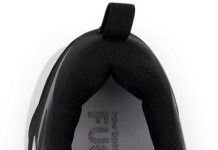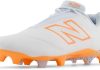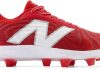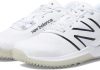
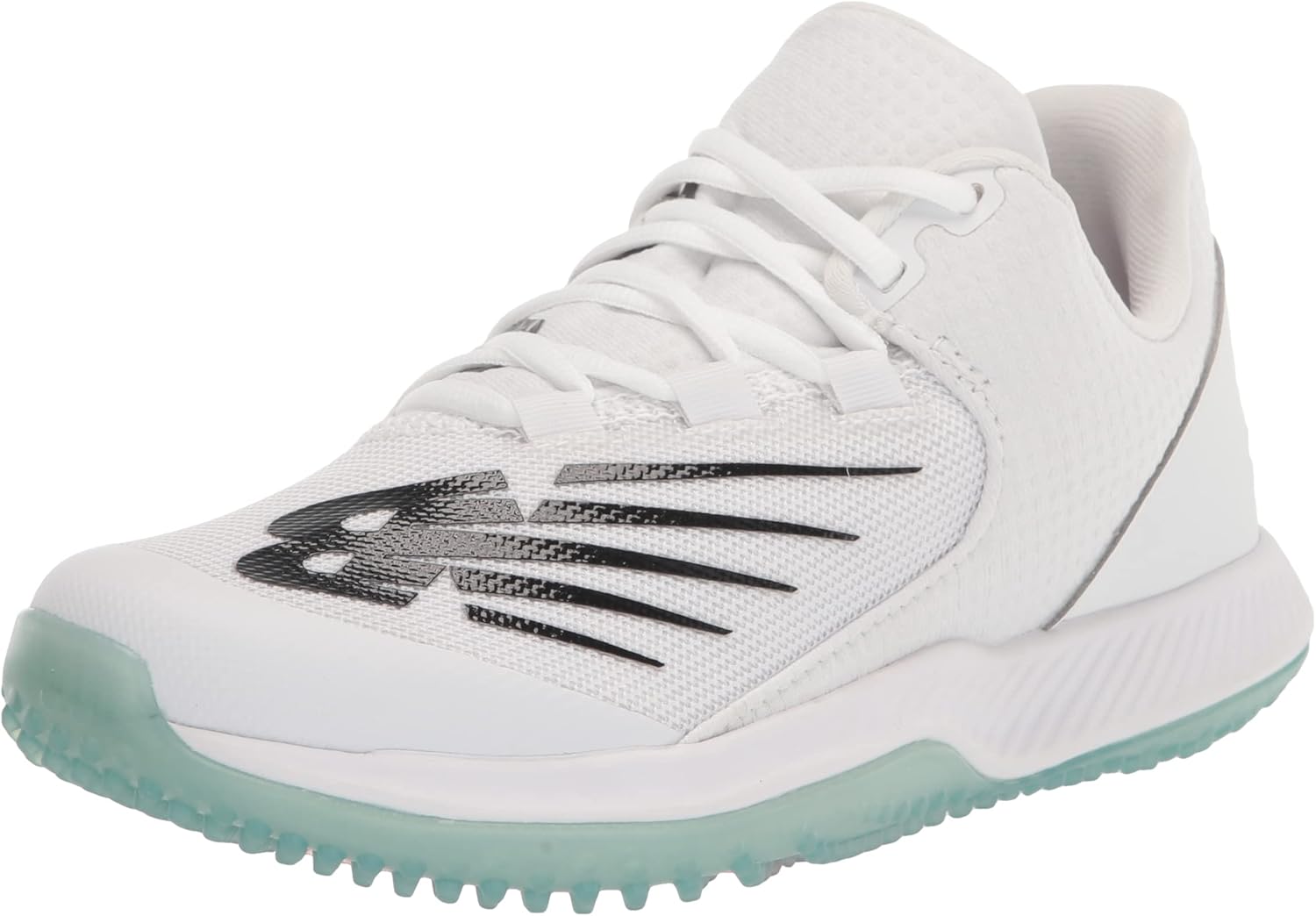
Have you been thinking about whether the New Balance Men’s FuelCell 4040 V6 Turf-Trainer is the right shoe for your turf sessions or infield work?
See today’s live prices and availability →

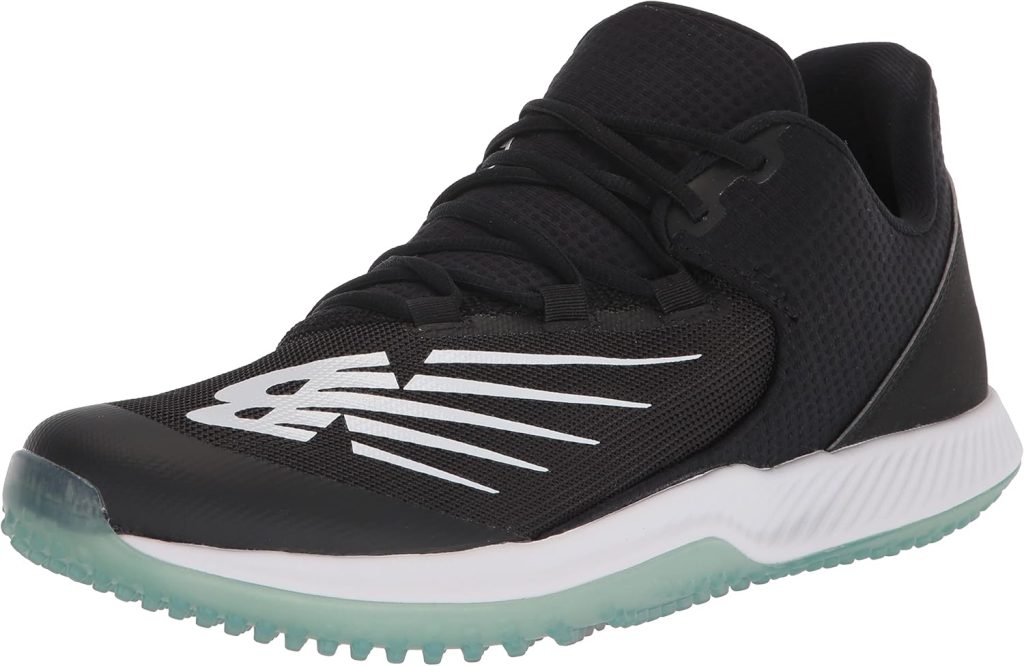
Overview of the New Balance Men’s FuelCell 4040 V6 Turf-Trainer
I want to give you a clear picture of what this shoe sets out to do and how it performs in real use. The 4040 V6 is designed as a turf-specific trainer that bridges the gap between performance footwear and everyday practice shoes. I see it as focused on responsiveness and traction on artificial surfaces while still being comfortable enough for longer training sessions.
Purpose and target user
I believe this model is aimed at athletes who spend a lot of time on artificial turf—baseball and softball players in particular, plus those doing speed and agility work on turf fields. I see it fitting players who want a supportive shoe with a snappy midsole that helps with quick bursts and lateral movements.
My first impressions
From the moment I picked the shoe up, I noticed it felt purpose-built: the shape, materials, and outsole pattern all signaling turf use. I was pleased to see a balance between a performance-centric build and everyday comfort, which made me curious to test it across different drills and longer sessions.
Fit and Sizing
Fit and sizing can make or break a shoe for me, so I paid close attention to how the 4040 V6 conforms to the foot. The model generally runs true to New Balance’s advertised sizes, but I recommend trying them on or checking your prior NB fits if you’re between sizes.
True to size or size up/down?
I found that the shoe fits true to size for my usual New Balance size. If you like a little extra room in the toe box for toe splaying or prefer thicker socks, consider going half a size up. For a snug, locked-in fit for aggressive quick cuts, staying true to size works well.
Width considerations
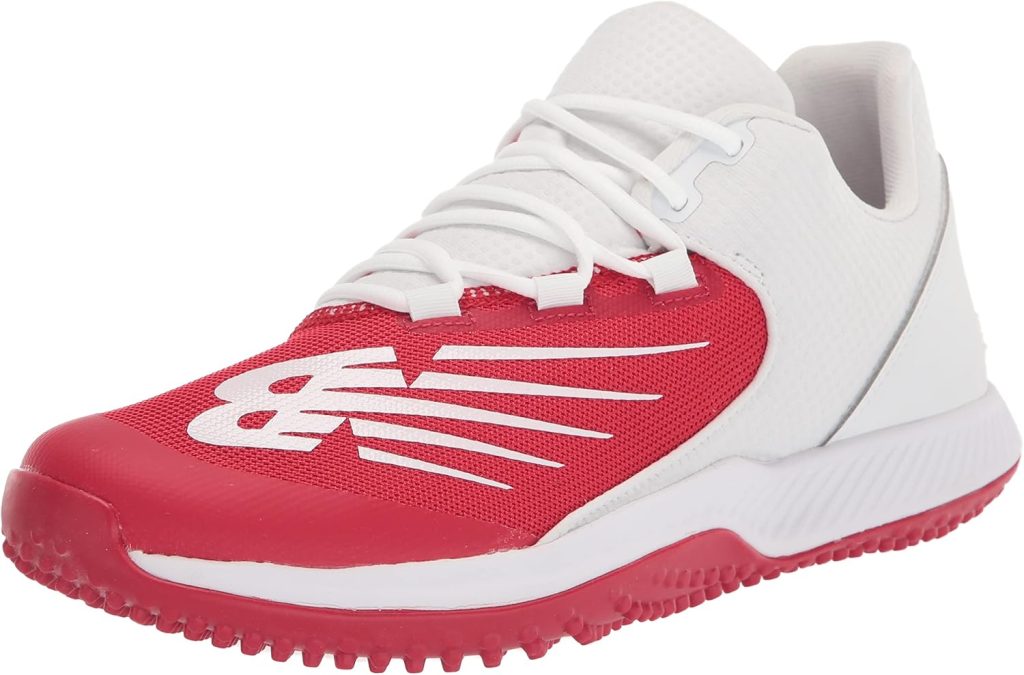
I noticed that the last offers a slightly athletic fit—neither extremely narrow nor overly roomy. If you have very wide feet, trying the wide (2E) versions could provide better comfort. For average to slightly wide feet, the standard fit was comfortable and secure without hot spots.
Upper and Materials
I paid close attention to the upper because it influences comfort, lockdown, and breathability. The 4040 V6 uses a mix of synthetic overlays and engineered mesh that felt durable but flexible.
Construction and durability
I appreciated the reinforced areas around the toes and medial side where abrasion typically occurs. These reinforcements gave me confidence for repeated starts, slides, and quick lateral moves. I noticed the stitching and overlays held up well through several sessions.
Breathability and comfort
During longer sessions, I found the engineered mesh regions allowed enough airflow that my feet didn’t overheat, though it’s not as ventilated as some lightweight running shoes. The tongue and collar offered pleasant padding and didn’t create pressure points for me, which helped when I wore them for extended practice.
Midsole and Cushioning
I spent a lot of time feeling how the FuelCell foam translated to on-field performance, since the midsole is often the main differentiator for New Balance.
FuelCell foam feel
I found the FuelCell midsole to be springy and responsive. The energetic feel helped with faster toe-offs and made repeated sprints less fatiguing over a practice. It’s not a plush, slow-absorbing foam— it’s designed more for energy return and responsiveness.
Impact protection and ride
For short bursts and dynamic movements, the cushioning provided enough protection underfoot without feeling spongy. On harder turf surfaces, I felt consistent shock absorption; for heavier players or those seeking maximum cushioning, it may feel firmer than some maximal-cushion trainers.
Outsole and Traction
Traction is vital for turf trainers, so I tested the outsole pattern across various turf types. I paid attention to how the shoe handled cuts, slides, and quick starts.
Turf-specific outsole pattern
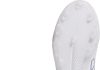
The outsole uses a multi-directional turf lug layout that grips artificial turf well. I noticed secure traction on short grass-like turf and firm synthetic infields, and the pattern helped prevent slipping during lateral work.
Durability and wear
After multiple sessions, the rubber lug pattern maintained its grip characteristics and didn’t show rapid wear. The rubber felt tough enough to resist abrasion from frequent use on abrasive turf fields, which I appreciated given the demands of infield practice and training.
Performance on Turf
I want to be specific about how the shoe performs in the contexts it’s intended for. My testing included sprint drills, lateral agility work, and infield-specific movements.
Sprinting and acceleration
Top picks at Walmart


During sprints, I felt the FuelCell midsole assist with quick toe-offs and acceleration. The combination of responsive foam and a stable platform let me push off confidently without a sense of bogging down.
Lateral movement and cuts
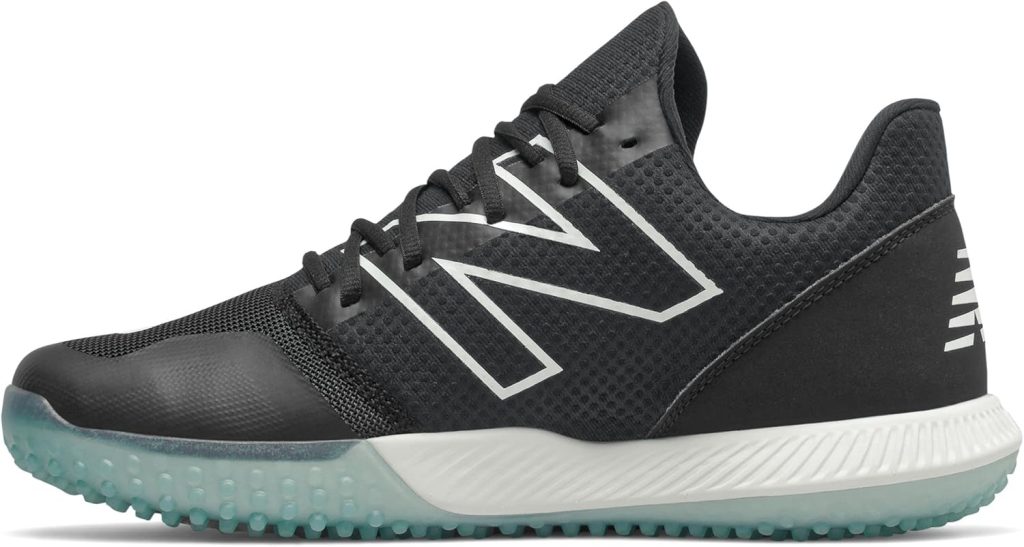
For lateral cuts and rapid direction changes, the shoe provided reliable stability and grip. I felt locked in enough that side-to-side movements didn’t create slippage, and the upper offered a responsive hold for quick footwork.
Support and Stability
Support is important for preventing ankle roll and for feeling confident when pushing laterally. I paid attention to the shoe’s frame and how it supported my foot.
Heel and arch support
The structured heel cup provided secure lockdown without being overly stiff. I noticed a moderate level of arch support that felt suitable for neutral and slightly high arches; if you need strong arch correction, you might prefer a custom insole.
Torsional stability
I didn’t experience excessive torsional flex, which means the shoe maintained a stable platform during planting and cutting. The combination of the midsole and outsole design helped me feel secure during dynamic movements.
Weight and Mobility
Weight affects fatigue and the ease of quick movements. I evaluated how the shoe balanced mass and responsiveness.
Overall weight feel
I perceived the shoe as reasonably light for a turf trainer. It wasn’t featherlight like minimalist sneakers, but it struck a good compromise between durability and nimbleness. Over a long practice, it didn’t add undue fatigue.
Flexibility and natural motion
The forefoot allowed natural flexion, which I appreciated for a more natural stride and quick toe-off. The shoe offered enough flexibility for agile movements while retaining a supportive midfoot structure.
Durability and Construction
I tested these shoes over repeated sessions and inspected construction details that indicate long-term durability.
Stitching and materials longevity
The stitching around high-stress areas looked solid and resisted early fraying. The synthetic overlays and reinforced toe areas withstood abrasion from slides and contact with turf without delaminating or tearing.
Outsole lifespan
The rubber lug pattern showed typical wear after extended use but retained functional traction. For many athletes, I expect the outsole to remain effective for an entire season of typical practice use.
Break-In and Immediate Comfort
I always consider how quickly a shoe becomes comfortable, because immediate wearability matters to many athletes.
Break-in period
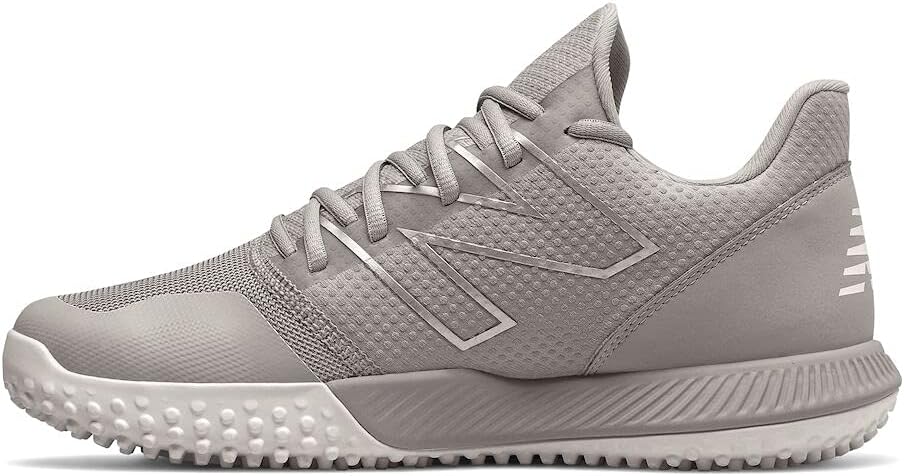
I found the break-in to be minimal. The shoe felt comfortable on the first wear with only a short period needed to fully settle to my foot shape. That minimal break-in helped me use them for games and practice without awkward adjustment periods.
Immediate comfort cues
The tongue padding, collar cushioning, and midsole comfort combined to create a shoe that felt broken-in right away. I didn’t experience hotspots or rubbing during initial sessions, which is a positive sign for most athletes.
Breathability and Temperature Management
I tested in moderate to warm conditions to see how well the shoe manages heat and sweat.
Upper ventilation
The engineered mesh areas allowed air exchange that kept my feet from getting overly sweaty in short- to medium-length sessions. I would note that in extremely hot climates, breathability is good but not aggressive—expect reasonable warmth management rather than extreme cooling.
Sock pairing suggestions
I recommend breathable athletic socks to complement the shoe’s ventilation and manage moisture effectively. For cold-weather use, thicker socks still fit comfortably, but pay attention to sizing if you add layers.
Care and Maintenance
I like to keep performance shoes in good condition, so I tried to maintain the 4040 V6 in a way that extends its useful life.
Cleaning tips
I cleaned them with a soft brush and mild soap solution, avoided machine washing, and let them air dry. Wiping off turf debris and excess dirt after each session prevented buildup and made maintenance easier.
Storage advice
I store them in a dry, ventilated area and avoid prolonged exposure to direct sunlight to prevent material deterioration. Rotating between multiple pairs if you train daily helps reduce repetitive wear.
Comparisons with Similar Models
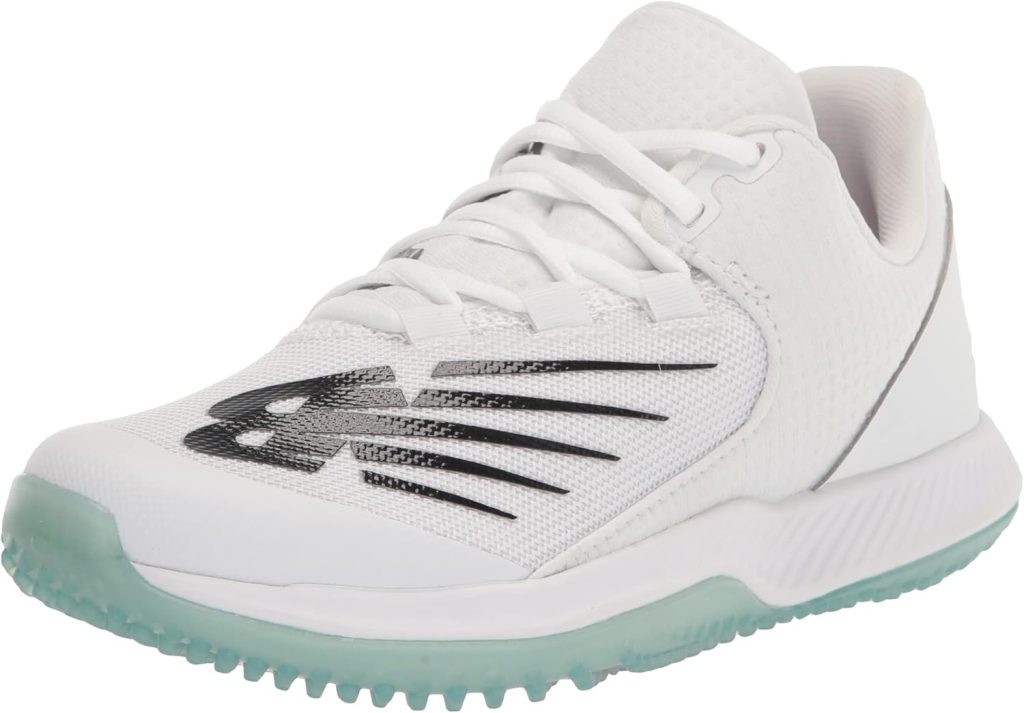
I compared the 4040 V6 to other turf trainers to highlight strengths and tradeoffs. I focused on other New Balance turf models and comparable offerings from competitors.
Compared to earlier versions (4040 V5, etc.)
Compared to prior iterations, I noticed incremental improvements in upper fit and responsiveness. The FuelCell update provided a slightly pingier ride and better energy return, in my view.
Compared to competitor turf trainers
Against competitor turf trainers, the 4040 V6 stands out for its midsole responsiveness and balanced fit. It may not be the absolute lightest or the plushest, but it offers a middle ground that works well for many athletes who need durability and quick-feel responsiveness.
Pros and Cons
I want to be straightforward about what I liked and where the shoe may not suit everyone. Here are the strengths and weaknesses I observed.
What I liked (Pros)
- Responsive FuelCell midsole that aids quick movements and sprints.
- Turf-specific outsole that provides reliable traction on artificial surfaces.
- Balanced and secure fit with reasonable breathability.
- Durable construction that holds up through repeated use.
- Minimal break-in and immediate comfort.
What could be better (Cons)
- Cushioning is firm relative to maximal-cushion trainers—may not suit those seeking plush comfort.
- Ventilation is good but not exceptional for extremely hot climates.
- Players requiring heavy arch support or pronounced orthotics might want to swap insoles.
Detailed Specification Table
I created a concise table to break down the shoe’s key attributes so you can quickly compare features and expectations.
| Feature | Details / My Notes |
|---|---|
| Intended use | Turf training, baseball/softball practice, agility work |
| Midsole | FuelCell foam — responsive, energetic ride |
| Outsole | Multi-directional turf lug pattern — good traction on synthetic turf |
| Upper | Engineered mesh with synthetic overlays — balanced durability & breathability |
| Fit | True to size for most; consider half size up for toe-room |
| Cushioning level | Medium-firm — responsive rather than plush |
| Weight | Moderate — balanced for training without feeling heavy |
| Break-in | Minimal — comfortable from first wear |
| Durability | High — reinforced areas and robust outsole |
| Support | Moderate — structured heel and torsional stability |
| Best for | Players needing responsive turf traction and durability |
| Potential downside | Not maximal cushioning; moderate ventilation |
Field-Tested Use Cases
I tried the shoe across several practice scenarios to see where it truly excels and where it might be less ideal.
Baseball/softball infield work
For infield drills and game-like scenarios, I found the shoe excellent. The turf lugs allowed confident planting and quick releases when fielding or throwing, and the upper kept my foot stable during dynamic movements.
Speed and agility sessions
During ladder drills, cone drills, and sprints, the FuelCell midsole supported quick transitions. I appreciated the immediate response during repeated acceleration work and circuit training.
Everyday practice and warm-ups
For pre-game warm-ups and longer practice sessions, the shoe remained comfortable without causing excessive foot fatigue. I sometimes used it for general conditioning on turf fields and felt it handled mixed-use well.
My Recommendations for Different Types of Athletes
I want to tailor advice depending on what you prioritize in a turf shoe.
For speed-focused players
If your primary focus is quick acceleration and rapid direction changes, I recommend the 4040 V6 for its responsive midsole and secure traction. It helps with quick toe-offs and repeated explosive movements.
For comfort-first athletes
If maximum plush comfort is your priority, you might find the cushioning on the firmer side. It’s comfortable for many, but if you prefer a pillow-like ride, consider a trainer with more substantial cushioning.
For players with custom orthotics
If you use custom orthotics, the 4040 V6’s stable platform will accept insoles well, but check depth before buying. I found it accommodated thinner orthotics fine, but very tall corrective insoles might require a half-size up for comfort.

How to Choose the Right Size and Fit
I’ll summarize practical steps I used to ensure the best fit when considering this model.
Sizing checklist
- Try them on with the socks you’ll wear during play.
- Stand and mimic the movements you’ll perform to check toe room and heel lockdown.
- If between sizes and you want more toe comfort, go half a size up.
- If you prefer a more locked feel for aggressive cuts, stick with your regular size.
In-store and online buying tips
If you buy online, confirm the return policy and check reviews for sizing notes. In a store, spend time walking and making lateral cuts to assess fit.
Alternate Uses Beyond Turf
I tested some off-label uses to see how versatile the shoe can be.
Use on natural grass
The shoe performs decently on well-maintained natural grass, though the outsole is optimized for synthetic turf. On very wet or muddy grass, traction can be less predictable than cleats.
Gym and cross-training
For gym sessions focused on agility or short sprints, the shoe worked well. It’s less ideal for heavy lifting if you need a flatter, more stable lifter’s shoe, but fine for general cross-training on turf areas.
Price and Value Consideration
I weighed the shoe’s cost against the features and durability to assess value.
Longevity vs. price
Given its sturdy construction and performance-driven features, I feel the 4040 V6 offers good value for athletes who use turf frequently. It may cost more than simple trainers, but the durability and sport-specific design justify the price for dedicated users.
When to invest
I recommend investing in this shoe if you train or play on turf regularly and want a balance of responsiveness, traction, and durability. If your use is occasional, a less specialized, lower-cost option might suffice.
Final Verdict
I’ll sum up my overall thoughts and give a clear recommendation based on my testing and impressions.
My overall take
I like the New Balance Men’s FuelCell 4040 V6 Turf-Trainer. It strikes a balanced blend of durable construction, responsive FuelCell cushioning, and turf-optimized traction. I found it reliable for infield drills, agility work, and repeated sprints without compromising comfort.
Who I recommend it for
I recommend this shoe for baseball and softball players, athletes who train frequently on turf, and anyone seeking a responsive trainer for short sprints and quick-footed work. If you prioritize extreme plushness or need very aggressive arch correction, you might look elsewhere or consider pairing it with custom insoles.
Thank you for reading my detailed review. If you want, I can compare the New Balance FuelCell 4040 V6 Turf-Trainer directly with a specific competitor model or help you decide the best size based on your foot measurements.
Disclosure: As a Walmart affiliate, I earn from qualifying purchases.
More from New Balance: eFootwear.com stocks New Balance running, training and casual footwear alongside other major athletic brands. See New Balance shoes at eFootwear.com. (Affiliate link – we may earn a commission at no extra cost to you.)