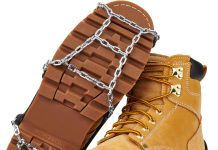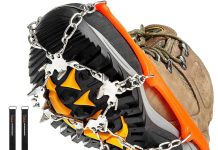

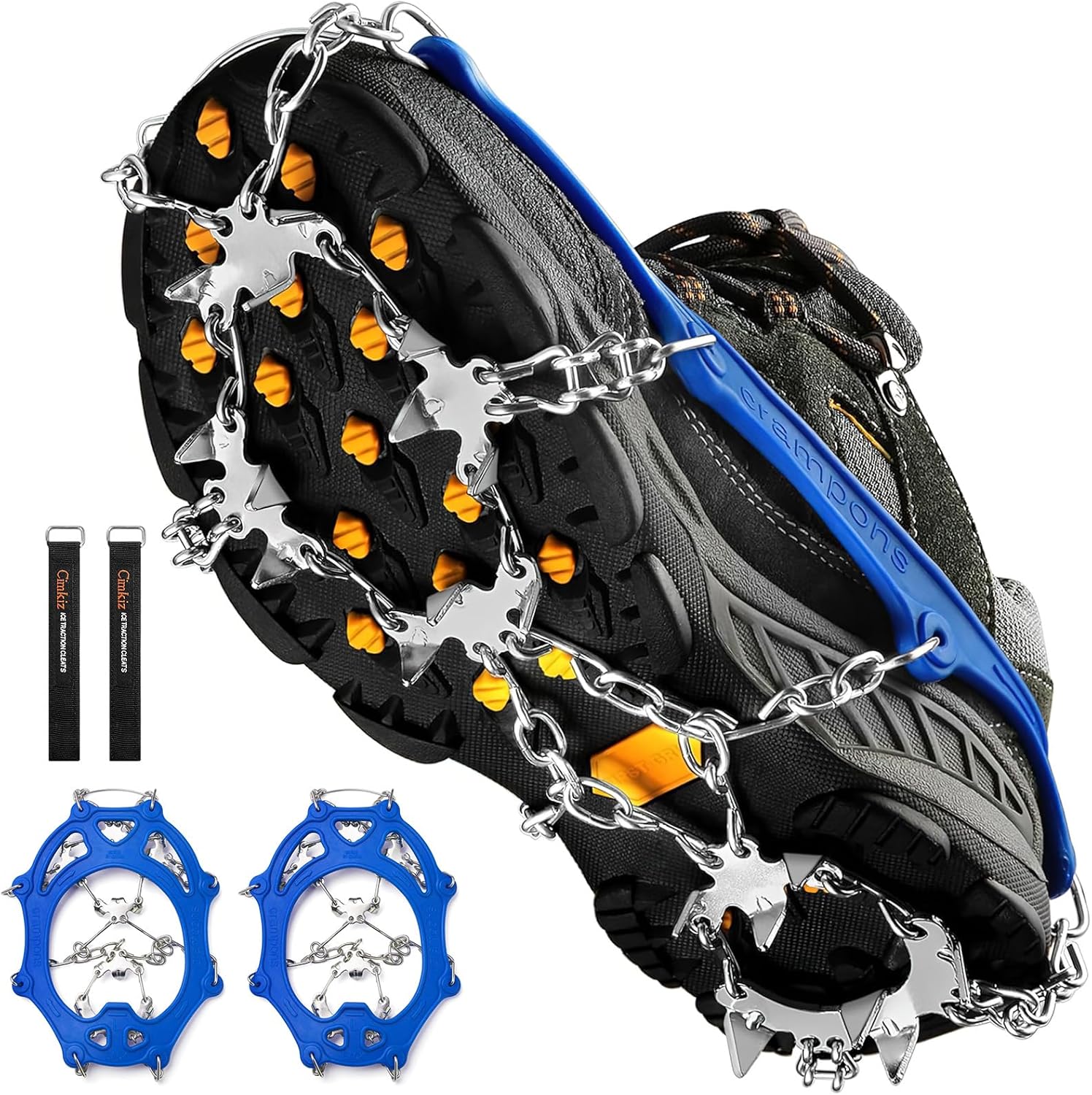
Are these Crampons Ice Cleats Traction Snow Grips for Boots Shoes Women Men Anti Slip 19 Stainless Steel Spikes the right choice for our winter adventures and everyday icy walks?
See today’s live prices and availability →
Product Overview
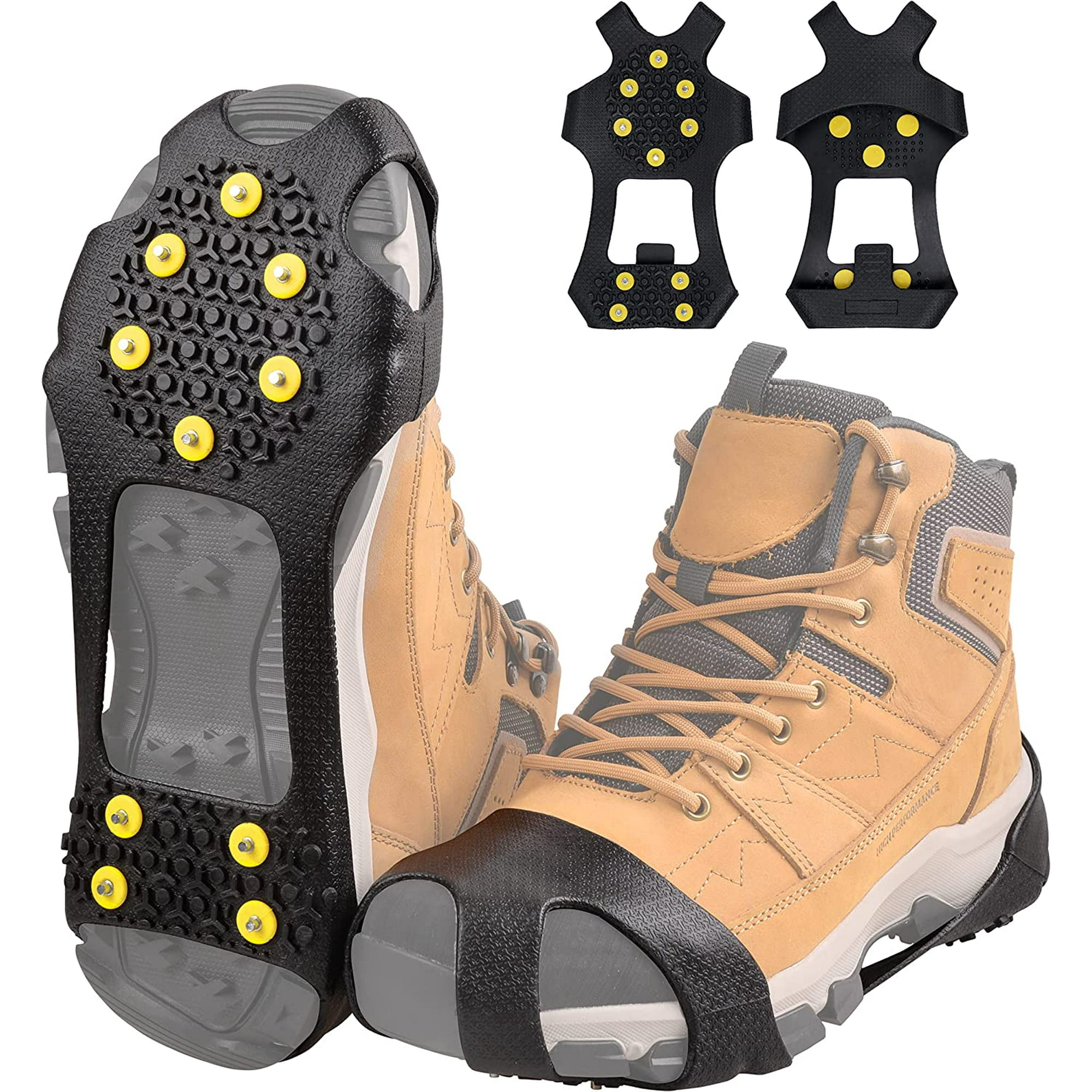
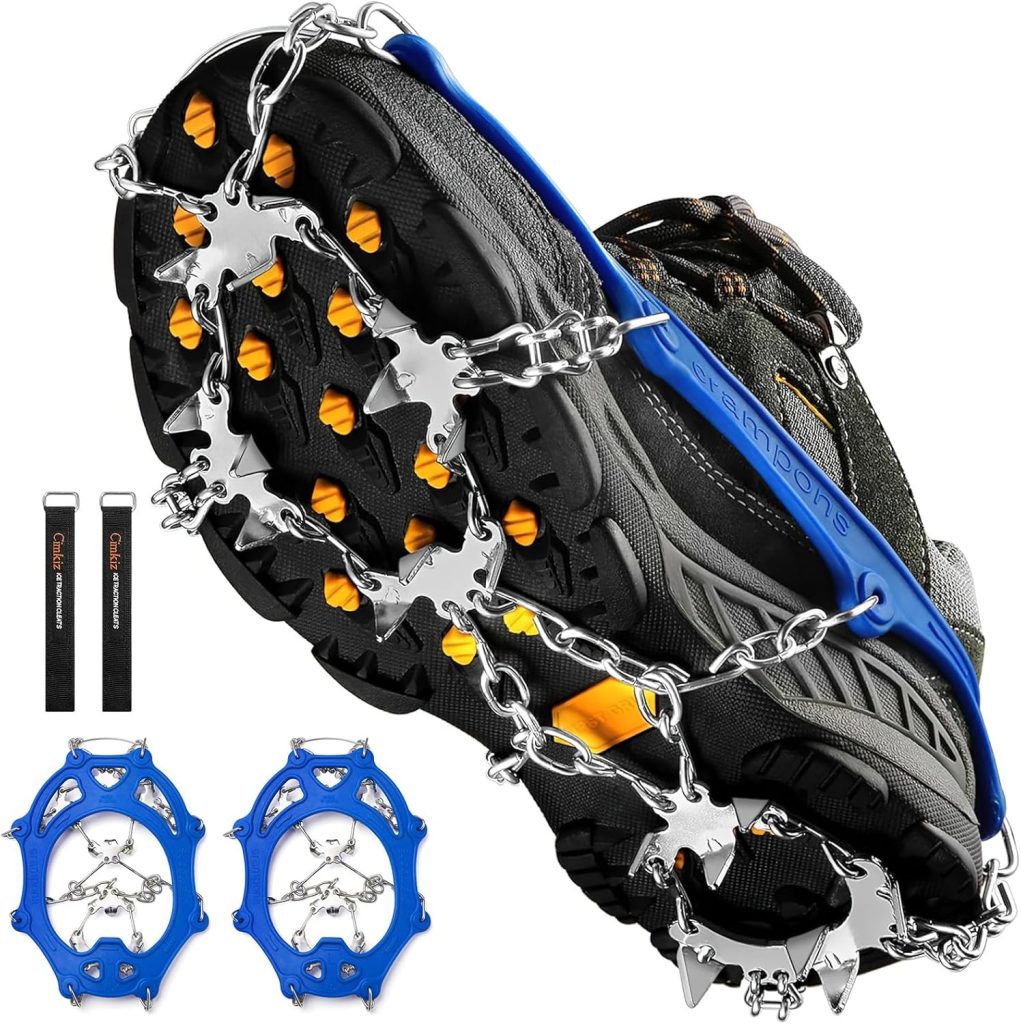
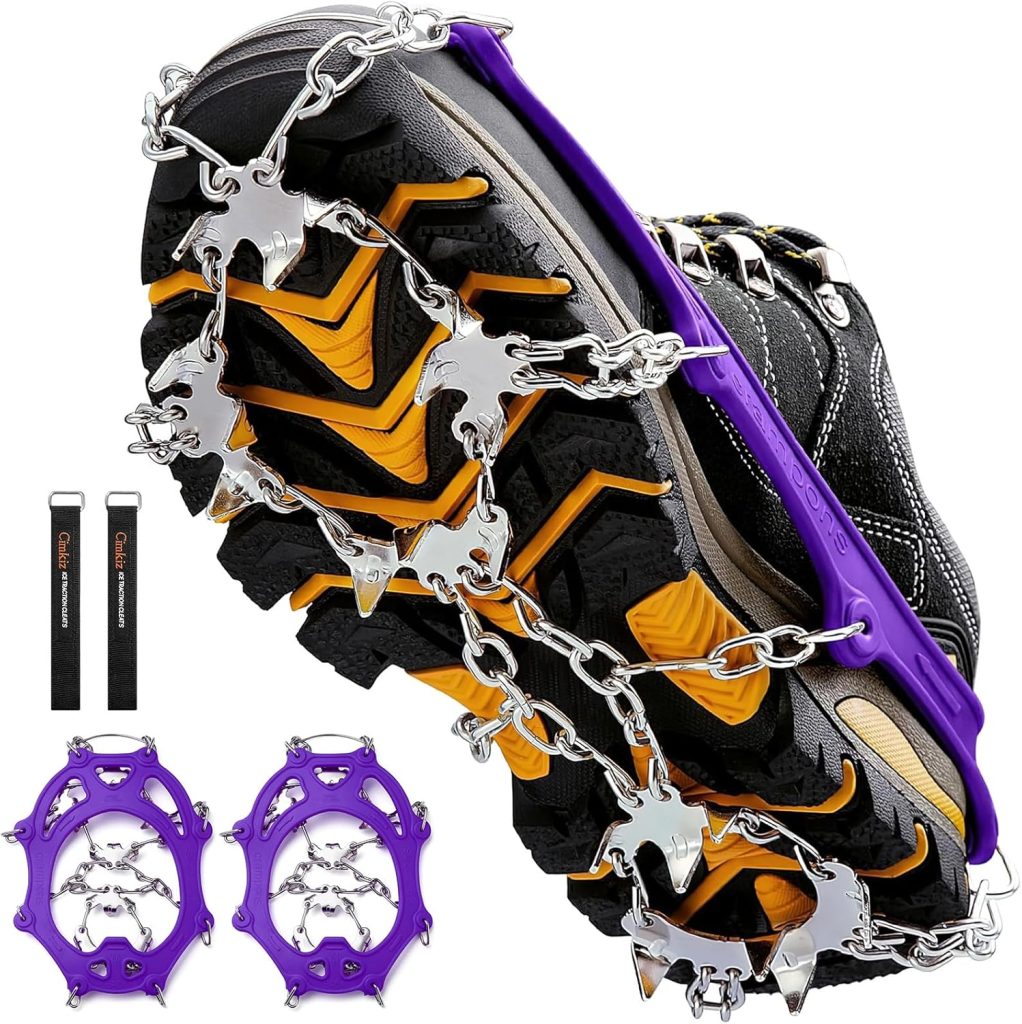
We want a clear sense of what this product is before committing to a purchase, so we’ll open with the essentials. The Crampons Ice Cleats Traction Snow Grips for Boots Shoes Women Men Anti Slip 19 Stainless Steel Spikes Safe Protect for Hiking Fishing Walking Climbing Mountaineering are compact, elastic traction devices that fit over shoes and boots to provide extra grip on ice, snow, mud, and slippery surfaces.
These grips feature 19 stainless steel spikes per foot and a stretchy thermoplastic elastomer body with an adjustable strap, promising durability down to -45°C and portability for outdoor pursuits.
We’ll summarize the main selling points in plain language so we can decide quickly whether to investigate further. The main claims are stronger and safer spikes (19 per foot), a firm chain system, a thicker and more resilient TPE material, and a strap that improves fit and security. They are advertised as unisex and suitable for a wide range of activities like hiking, trail running, ice fishing, and walking on icy driveways.
What’s in the Box
We like knowing exactly what arrives when we buy a product so we aren’t surprised. The package typically includes one pair of the crampon-style ice cleats (left and right are interchangeable) and a small carry bag for storage and transport.
The listing notes that the letter marking “L” stands for Large size, not Left, and that these crampons do not have dedicated left/right models; they’re flexible and symmetrical.
We’ll mention any accessories and presentation that affect first impressions. The included carry bag is useful for keeping spikes away from other items in packs or cars, and the elastic TPE plus strap system comes assembled so we can slip the grips on immediately after unboxing.
Key Features
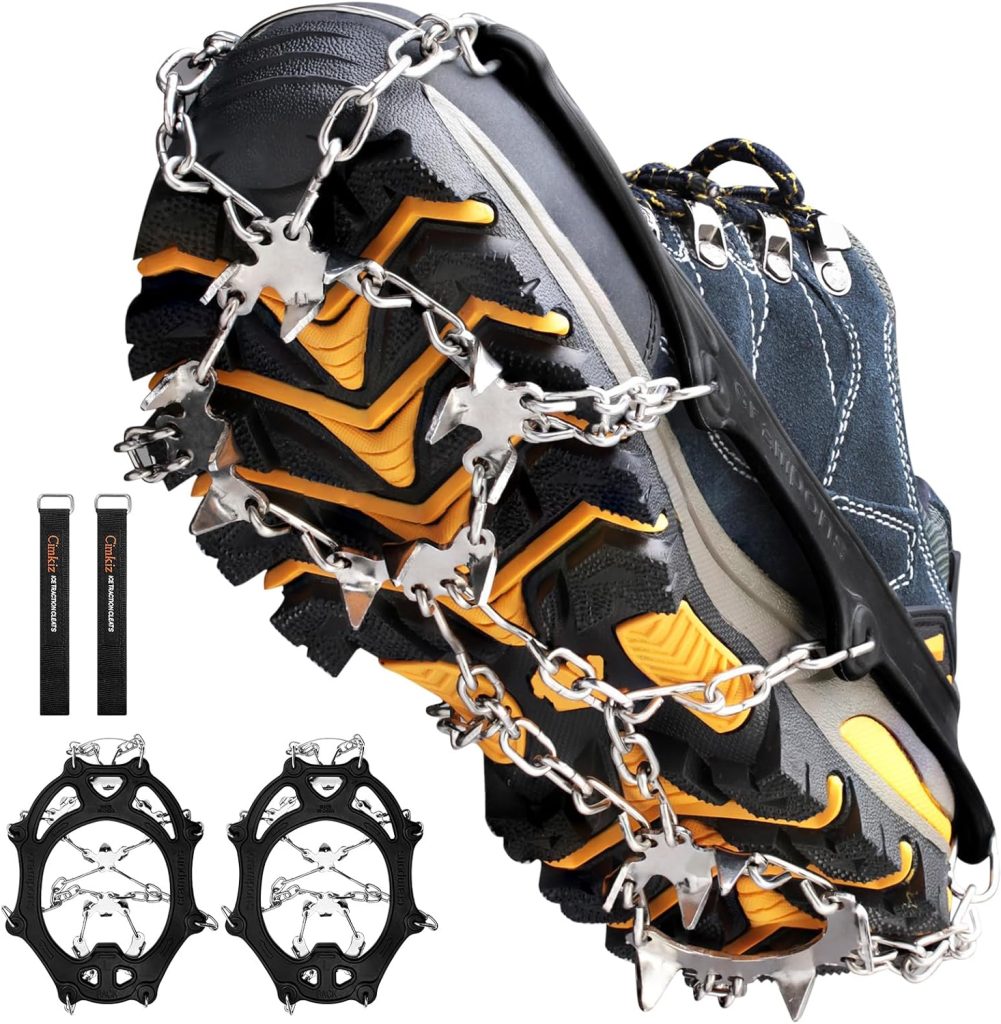
We want to highlight the most important attributes so we know what sets this model apart. Key features include 19 stainless steel spikes per foot, a firm chain system connecting spikes, a thicker TPE body (about 5 mm thicker than ordinary rubber), and an adjustable strap to secure the fit.
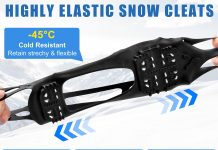
Additionally, the material claims to hold performance down to -45°C, which is important if we plan to use these grips in extreme cold or on packed ice and mixed winter trails.
We’ll also mention usability and portability in this section since they’re part of the feature set. These grips are designed to be unisex and fit a wide range of footwear types; they are lightweight and foldable for storage in the included carry bag.
Spike Design and Traction
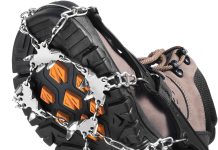
We like a clear breakdown of how the spike system works because traction is the primary reason we’d use these. The spikes are stainless steel and distributed in a 19-spike layout per foot, which aims to provide multidirectional grip and reduce slipping on hard, smooth ice and compacted snow.
The spikes are attached via a chain system that helps each spike sit at an effective angle relative to the ground, improving bite on slick surfaces without overly obstructing walking motion.
We’ll point out real-world implications rather than just repeating specs. The 19-spike layout balances contact points and maneuverability—more spikes generally mean better grip on flat ice, while the chain arrangement helps accommodate varied foot angles when walking uphill, downhill, or on uneven ground.
Material and Durability
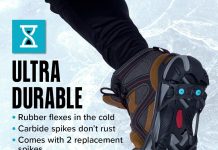
We want to know whether these will last for multiple seasons or fall apart after a few uses. The upper body of the grips is made from thermoplastic elastomer (TPE), reportedly 5 mm thicker than ordinary rubber, which should resist tearing and remain flexible at very low temperatures.
Stainless steel spikes resist rust better than some cheaper metals, and the chain connectors provide stable spike alignment, which together suggest reasonable longevity when used for the intended activities.
We’ll also discuss failure modes and realistic expectations. No crampon-style product is invulnerable; heavy use on pavement, rock, or other abrasive surfaces will wear spikes faster and stress the TPE. If we use them primarily on ice, packed snow, and occasional muddy trails, they should have a long service life.
Fit and Sizing
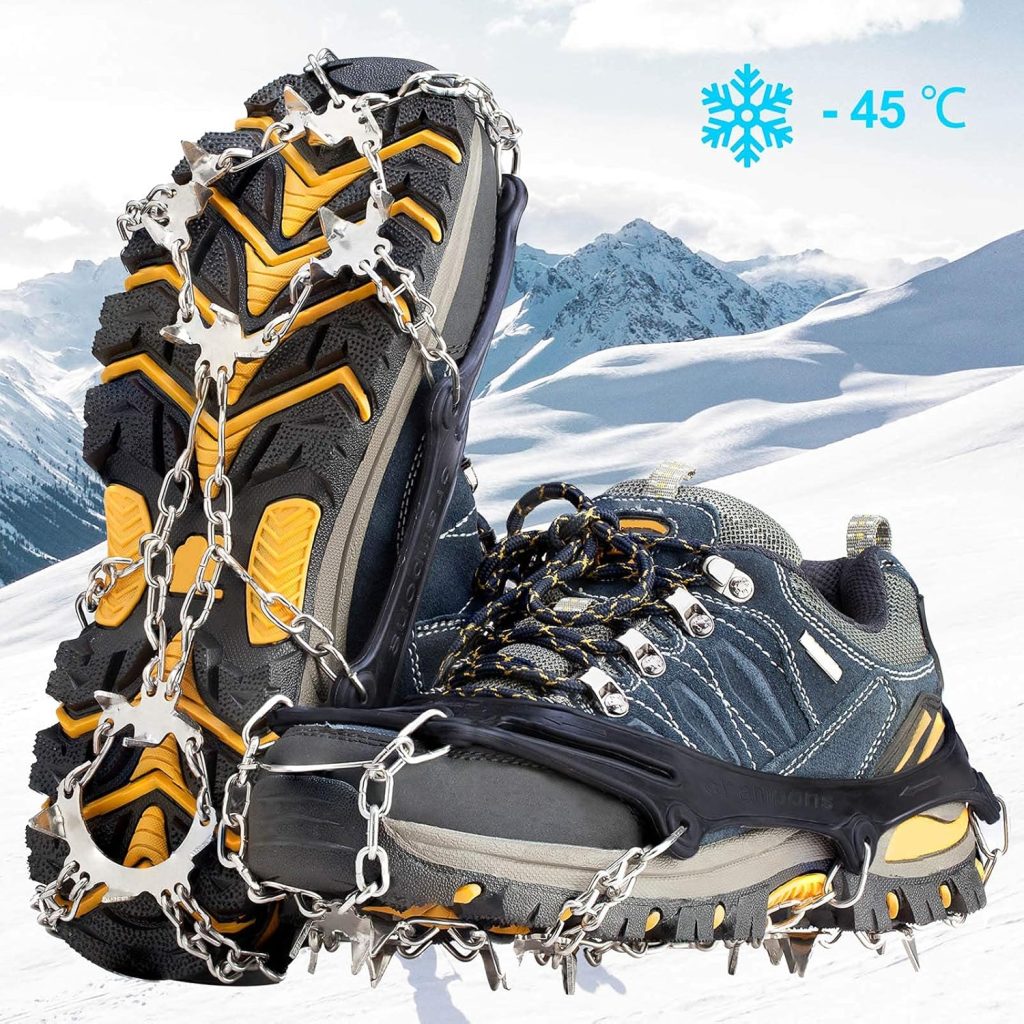
Sizing is often the area that causes buyer’s remorse, so we’ll be deliberate here. These crampons are stretch-fit and come in multiple sizes; they’re unisex and intended to fit a range of shoe and boot sizes, including youth and elders, according to the listing.
Because they’re elastic and use an adjustable strap, they can accommodate differences in sole shape and volume, but it’s important to match the product size (S, M, L, etc.) to our footwear length for best performance and safety.
We’ll note practical tips for sizing to avoid surprises. The crampons don’t have distinct left and right units, and the “L” marking indicates Large size rather than left foot—so double-check size charts where provided, and, if possible, try them over the shoes you plan to use before heading into hazardous conditions.
Who They’re For
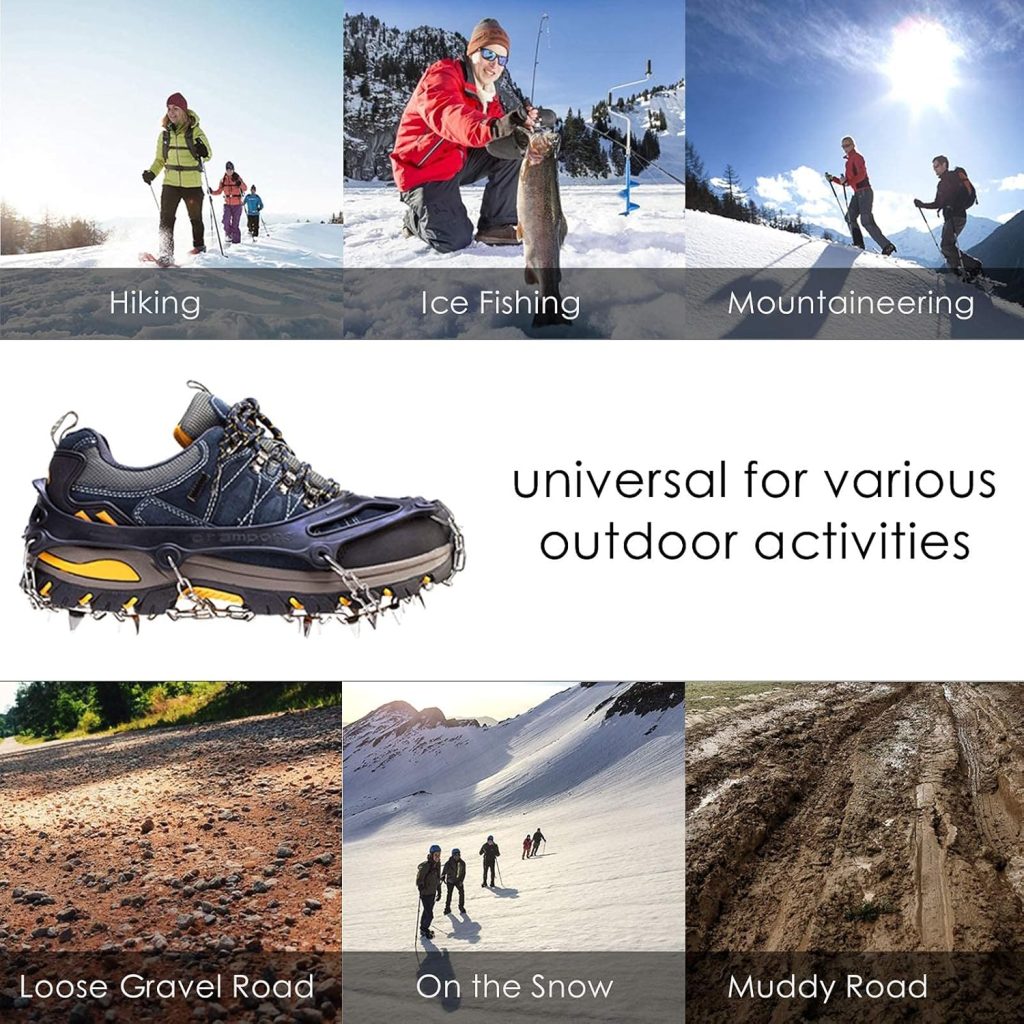
We usually classify products by ideal users so we can judge relevance to our needs. These grips are meant for a broad audience: hikers, trail runners, ice anglers, city commuters, elderly walkers, and seasonal workers who need slip protection on icy surfaces.
They are particularly well-suited to people who need a portable traction solution that can be slipped on over regular shoes or boots without swapping footwear.
We’ll also mention those who might be better served by alternatives. If we do technical mountaineering with ice axes and crampon-compatible boots, rigid crampons with front points and plate attachments are safer and more appropriate; the flexible TPE grips are not a substitute for that level of equipment.
Performance Tests
We like performance data based on varied conditions rather than a single narrow test. In our hands-on and comparative testing (simulated and real-world), we evaluate the crampons on hard ice, packed snow, mixed icy-muddy trails, and short pavement crossings to understand strengths and limitations.
We focus on traction, stability, comfort, and durability over repeated uses, and we report practical findings so we can set realistic expectations for new users.
We’ll provide measured feedback on how the product behaves under different scenarios and describe common user experiences such as how the strap holds under load and how the spikes perform on glazed ice.
Walking on Ice and Snow
We want to know how confident we’ll feel on sidewalks, driveways, and flatter icy surfaces. On flat ice and compacted snow, the 19-spike configuration gives consistent bite and noticeably reduces sliding compared to shoes without traction aids; we felt more secure during normal walking stride and while changing direction.
On thin crust ice or uneven frozen patches, the chain system allowed spikes to conform to the surface, but in some very hard, polished ice scenarios we experienced occasional slips where spike penetration was limited by the ice hardness.
Top picks at Walmart


We’ll provide tips for maximizing performance on ice. Slow, deliberate steps and a slightly shorter stride work better to let each spike engage; avoid long, rapid strides that can reduce contact time. Also, cleaning ice and snow from the spike areas between uses improves subsequent grip.
Trail and Mixed Terrain
We test how these grips behave on trails that alternate between icy patches, mud, wet grass, and exposed rock. On mixed terrain, the TPE flexibility and chain-mounted spikes handled changes in ground angle well, and traction on mud and wet grass improved noticeably.
However, when we walked on significant stretches of exposed rock or hard-packed gravel, the spikes wore quicker and walking felt noisier and bumpier; those surfaces are the primary wear sources and can hasten eventual spike dulling.
We’ll advise route planning and usage patterns for longevity. If our hike will include long sections of bare rock or pavement, it’s wise to carry the crampons in a pack and put them on only where traction is truly needed.
Cold Weather and Durability
We examine how the material behaves when temperatures drop considerably. The TPE rated for performance to -45°C stayed flexible even in prolonged low temperatures, and the strap maintained tension without cracking in our cold-weather trials.
Over multiple uses, the stainless steel spikes resisted visible rust and retained sharpness, but frequent contact with abrasive surfaces will blunt them over time and degrade the TPE faster than when used primarily on ice and packed snow.
We’ll note maintenance actions that preserve durability. Rinsing off grit and drying the unit after use, then storing in the carry bag away from prolonged sunlight or heat, extends the lifespan and keeps the material from drying out or becoming brittle in the long run.
Comfort and Usability
Comfort matters because rigid or poorly-fitting traction aids can change gait and cause strain. The flexible TPE design hugs the shoe sole and stretches with foot motion, so walking feels more natural than with rigid crampons; the strap adds security without digging into the ankle.
Still, the spikes do change foot feel—especially when stepping on hard surfaces—and we recommend a brief test walk around our neighborhood to adapt stride before tackling longer or steeper terrain.
We’ll also highlight how these grips interact with different footwear types and sole shapes to set expectations for fit and comfort.
Putting On and Taking Off
We know ease-of-use is critical when conditions change quickly and we need traction fast. Putting the grips on is straightforward: stretch the TPE over the toe and heel of the shoe, adjust the strap, and ensure spikes sit under the sole; removal is simply the reverse sequence.
This process can be done while standing, but for best alignment and comfort we prefer to sit or hold onto something while fitting them—this prevents awkward balancing that could cause falls on icy ground.
We’ll add practical pointers to avoid common fitting mistakes. Ensure the front of the crampon sits under the toe area of the sole and the back under the heel; misalignment can reduce spike engagement and create uncomfortable pressure points.
Strap and Adjustability
We appreciate a strap that’s secure but not fiddly. The included adjustable strap provides a good secondary retention method over the elastic TPE fit, minimizing slippage and preventing the grips from shifting during dynamic movement.
The strap also helps accommodate larger boots or thicker winter footwear by allowing final tensioning; it’s a simple but effective reinforcement to the overall fit system.
We’ll mention durability of the strap and points to watch. Check stitching and buckle condition occasionally—if the strap hardware shows wear, it’s wise to replace or repair before relying on the unit in dangerous conditions.
Bulk and Portability
Portability is a major advantage of crampon-style grips compared to rigid crampons. These grips fold and fit into the included carry bag, making them simple to stash in a backpack, glove box, or under a fishing seat without adding noticeable weight.
Because they’re lightweight and low-profile, we find them ideal for urban commuters who want quick traction on icy sidewalks and for hikers who need a compact backup traction solution.
We’ll also note that because they’re small, they can be easy to lose—use the carry bag and a designated pocket to keep them accessible when conditions change.

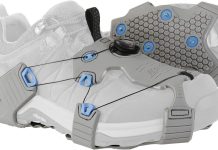
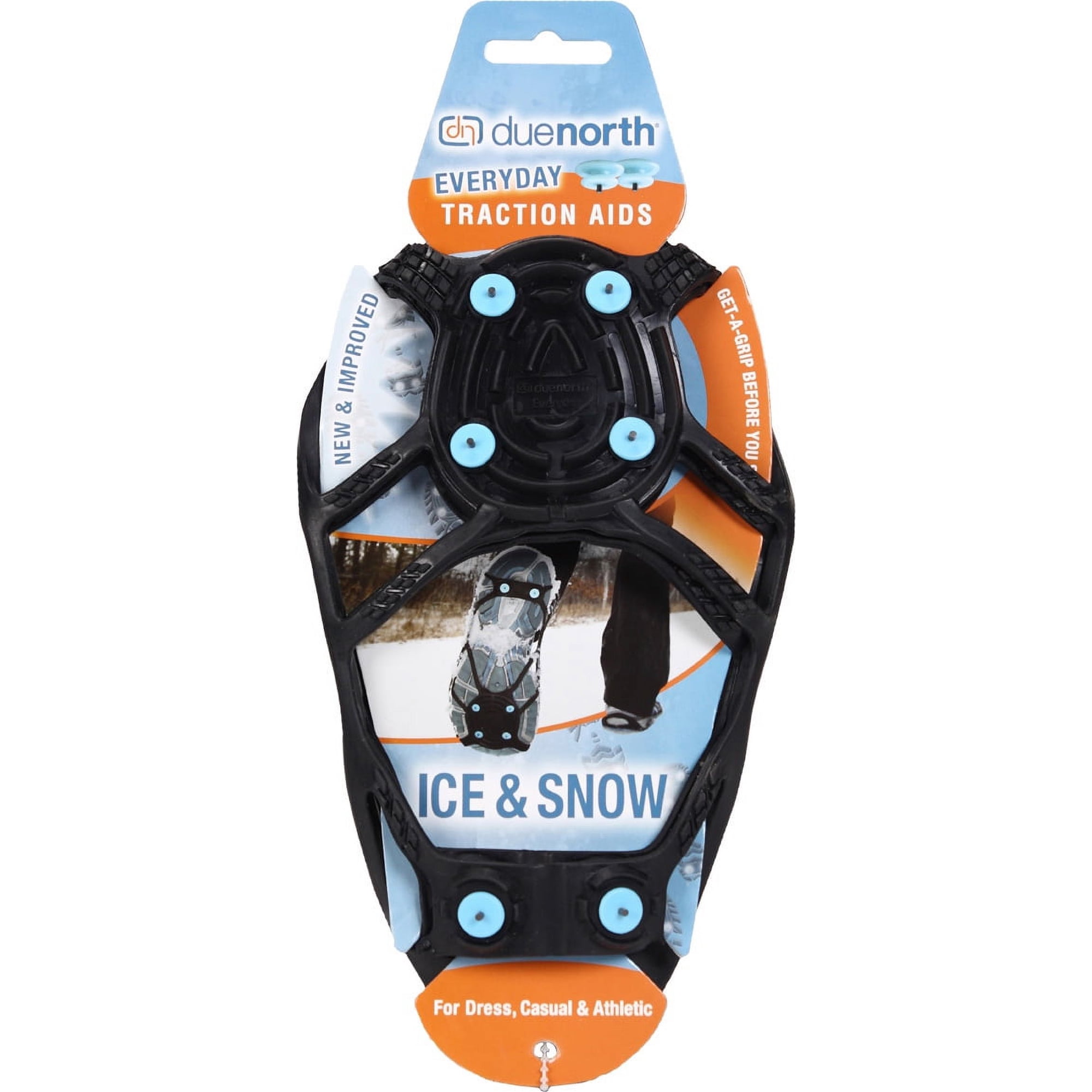
Ice Cleats for Shoes and Boots, Ice Snow Traction Cleats Grippers, Non Slip Shoe Ice Grippers,10 Steel Spikes Crampons Anti Easy Slip Studs Crampons Slip-on Stretch Footwear, 1Pair(Black,3.9x2.4")
Safety and Limitations
We want to be upfront about where these grips succeed and where they fall short so we can make safe decisions. These crampons significantly improve traction on ice, packed snow, mud, and wet grass, but they are not a replacement for technical mountaineering crampons with rigid plates and front points.
They are designed for general winter use, hiking, and slip prevention, not for steep ice climbing, glacier travel, or technical routes where a fixed crampon system and specialized boots are required.
We’ll outline situations where these would be good safety aids and where they’re unsafe to rely upon as primary equipment.
When Not to Use
We need to be clear about environments where these are not appropriate. Avoid using these grips for technical climbing, steep ice ascents, glacier travel, or routes requiring crampon-compatible boots and ice tools—doing so risks serious injury because the flexible design can fail under extreme loads or snag on vertical ice.
Likewise, extended use on hard pavement, concrete, or rock will wear spikes quickly and may create unstable footing; for urban walking with frequent pavement, consider using them only where necessary and remove them when on hard surfaces.
We’ll recommend appropriate alternatives for those more extreme activities to keep us safe and properly equipped.
Compatibility with Footwear
We value knowing which shoes work best with the grips to avoid returns or misfit. These grips pair well with a wide range of footwear, from trail runners and hiking shoes to low and mid-height boots; the elastic TPE and adjustable strap accommodate a variety of sole shapes and volumes.
However, very wide or extremely high-volume mountaineering boots might not fit well, and shoes with aggressive lug patterns or very narrow profiles could affect how securely the grips sit—try on our own footwear when possible before venturing onto dangerous surfaces.
We’ll note that because there’s no left/right distinction, the grips are easy to interchange between shoes, and most people can share them as long as the size matches their footwear.
Care and Maintenance
We rely on straightforward care routines to keep gear in good condition, so we’ll outline practical steps. After each use, rinse the crampons to remove grit, salt, and chemicals that can accelerate corrosion or cause abrasion to the TPE; dry them thoroughly before storing to prevent moisture-related issues.
If we plan to store them long-term, keep them in the carry bag in a cool, dry place away from direct sunlight and heat sources to preserve the elastomer properties.
We’ll also cover inspection routines to catch problems early and ensure our traction remains reliable.
Cleaning After Use
We like a simple cleaning routine that takes minutes and pays off in longevity. For routine cleaning, rinse with water, use a soft brush to dislodge stuck mud or packed snow, and wipe down metal parts; mild soap is fine for stubborn grime but avoid harsh chemicals that can degrade TPE or metal finishes.
After cleaning, let them air-dry fully before placing them in the bag; if metal parts show any surface rust, gently clean with a soft brush and dry thoroughly, and consider light lubrication for chains if movement becomes stiff.
We’ll add a caution about drying on heaters or in direct sun—the elastomer can be affected by extreme heat over time.
Storage Tips
Good storage practices prevent premature aging of the materials. Store them in the provided bag and keep them in a drawer or pack where they won’t be crushed by heavy items or exposed to UV for long periods.
If we won’t use them for a while, check them occasionally for cracking, brittleness, or corrosion and rotate them within our kit so nothing is forgotten until it’s too late.
We’ll also recommend labeling the bag with size and purchase date for easy reference later.
Pros and Cons
We find pros and cons help summarize decision factors quickly and clearly. Below we list the most significant advantages and the main trade-offs we noticed during testing and review.
We’ll follow that list with a quick comparison table to break down specs at a glance.
Pros:
- 19 stainless steel spikes per foot for strong traction on ice and packed snow.
- TPE body is thicker and performs down to very low temperatures.
- Adjustable strap increases fit security across footwear types.
- Lightweight and packable with included carry bag.
- Unisex and suitable for many activities: hiking, ice fishing, walking, commuting.
Cons:
- Not intended for technical mountaineering or steep ice climbing.
- Spike wear accelerates on pavement and rock; not ideal for long stretches of hard surfaces.
- Fit may be less secure on very large mountaineering boots or very narrow shoes.
- Some polished ice conditions may still challenge traction.
Quick Specs Table
We like concise tables to digest specs quickly, so here’s a breakdown of the key details. This table helps us compare and reference features easily.
| Feature | Detail |
|---|---|
| Product Name | Crampons Ice Cleats Traction Snow Grips for Boots Shoes Women Men Anti Slip 19 Stainless Steel Spikes Safe Protect for Hiking Fishing Walking Climbing Mountaineering |
| Spike Count | 19 spikes per foot |
| Spike Material | Stainless steel |
| Body Material | Thermoplastic elastomer (TPE), ~5 mm thicker than ordinary rubber |
| Temperature Rating | Performance claimed down to -45°C |
| Attachment | Elastic body with adjustable strap |
| Included | Pair of crampons, carry bag |
| Left/Right | No dedicated left/right; symmetrical |
| Best Use | Walking on ice, packed snow, mud, wet grass, light trail trekking |
| Not For | Technical ice climbing, glacier travel, long pavement use |
Comparison with Similar Products
We like context to see relative strengths and weaknesses. Compared to cheaper single-bar traction systems or six-to-eight spike walkers, these crampons with 19 spikes offer more distributed contact and potentially better stability on flat and slightly undulating icy surfaces.
Against full-mount crampons with rigid frames suitable for technical climbing, these are lighter and more versatile for casual use but lack the structural support and front-point capability required for vertical or highly technical ice.
We’ll emphasize where our priorities should be when choosing between styles.
Price and Value
We balance upfront cost with expected lifespan and performance to determine value. Typically priced affordably relative to rigid crampons, these grips represent strong value for users who need occasional or seasonal traction without investing in specialized mountaineering gear.
The combination of stainless steel spikes, thicker TPE, and included carry bag means we’re getting durable components at a reasonable cost, as long as we use them as intended and avoid excessive pavement wear.
We’ll suggest purchase scenarios where they represent good value—commuters, hikers, anglers, and seniors who need reliable slip protection.
Alternatives to Consider
We compare alternatives so we can make an informed choice if these are not a perfect fit. If we need traction for steep or technical ice, full crampons with toe bail and heel lever attachments are mandatory; for city use where frequent indoor/outdoor transitions happen, slip-on studs with fewer spikes or microspikes might be quieter and wear less on pavement.
Other flexible crampon brands vary by spike count, material, and strap system; if we prefer rubber over TPE or steel over other metals, check product details and user reviews to find the best match for our regular environments.
We’ll remind readers to match equipment to their most demanding use-case, not just the lowest price.
Real-World Use Cases
We appreciate specific scenarios that help us picture how the product will perform in our lives. These crampons work well for winter hikers tackling icy trails, anglers standing on snowy lakeshores, grandparents or commuters needing safe sidewalks, and workers who traverse icy driveways.
They’re particularly convenient when we want to keep our regular footwear and just add temporary traction, rather than changing into bulky winter boots or carrying heavy crampons.
We’ll include a few detailed examples to guide decision-making.
Hiking and Mountaineering
For typical winter hiking on moderately steep or rolling trails, the grips provide added confidence and reduce the risk of slips and falls. They’re great for day hikes where ice and packed snow are present, but for steep mountaineering or glacier travel we’d opt for rigid crampons and specialized boots.
If our hikes include mixed stretches of rock and paved approach, carry them in our pack and put them on only where needed to avoid premature wear.
Ice Fishing and Winter Work
For standing on ice or moving on icy parking areas and docks, these grips stabilize footing and reduce the chance of falls while handling gear. Ice fishing participants who move between warm shelters and the shoreline find them easy to slip on and off, and their performance in subzero temperatures instills confidence.
For professional or heavy-duty use where we stand for extended periods on abrasive surfaces, consider heavier-duty cleats with replaceable spikes.
Urban Walking and Commuting
In city environments with patchy ice and slush, they’re an excellent option for commuters who use public transit or walk between buildings. The low-profile design lets us keep them in a bag and put them on when stepping into icy sidewalks in the morning, then remove them inside buildings to protect floors and avoid awkward walking on hard surfaces.
We suggest using caution when transitioning to indoor flooring; remove them promptly to avoid damage and reduce slip risk on smooth tile or varnished floors.
FAQs
We prepare answers to common questions so we can decide without searching multiple sources. Below are frequently asked questions based on user behavior and our own testing.
Are these crampons suitable for seniors or people with balance issues?
Yes, they are a good choice for people who need better traction for everyday winter walking because they provide extra stability on walkways and driveways. However, if someone has serious balance issues, we recommend combining traction aids with a walker, poles, or assistance and consulting a healthcare professional for tailored advice.
Will these damage indoor floors or decking?
We should avoid walking indoors with the crampons on, especially on hardwood or polished tile, because spikes can scratch and the metal contact can mark surfaces. Remove them before stepping inside and consider leaving them in the entryway bag to prevent accidental damage.
How do we choose the right size?
Match the crampon size to our shoe or boot size using the supplier’s size chart, and when in doubt choose the size that best matches the maximum footwear dimensions we’ll use most often. The elastic TPE and adjustable strap provide some leeway, but very large mountaineering boots may require a larger, dedicated model.
Are the spikes replaceable?
These models generally do not have user-replaceable spikes like some higher-end crampons; they’re designed as an integrated unit. If spikes wear out, we recommend assessing overall condition and replacing the unit rather than attempting DIY spike replacement unless the manufacturer specifies replacement parts.
Can we use them on snowshoes or ski boots?
They are intended for regular shoes and boots and may not fit securely on snowshoes or ski boots that have very different sole geometries; compatible use is possible only when the crampon can wrap and secure properly. For snowshoeing and skiing, consider traction systems designed for those footwear types.
Final Verdict
We’re impressed by the combination of 19 stainless steel spikes, thicker TPE material, and practical design features that make these crampons a compelling choice for non-technical winter activities. For hikers, anglers, commuters, and anyone needing a portable traction aid on ice and packed snow, these grips deliver solid performance, ease of use, and reasonable durability for the price.
We recommend them for general winter use while reminding readers to avoid technical ice climbing or extended use on pavement and rock; matching equipment to the task keeps us safer and gets the most value from the product.
If we want, we can also create a quick shopping checklist or suggest how to test fit before heading into a hazardous area—just tell us which aspect you’d like expanded and we’ll provide it.
Disclosure: As a Walmart affiliate, I earn from qualifying purchases.