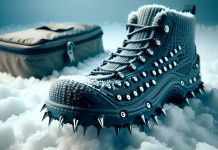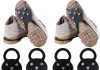


?Are we ready to find out whether the Sportneer Crampons: Ice Cleats for Shoes and Boots with 28 Spikes – Traction Slip-on Stretch Footwear for Walking and Shoveling on Ice and Snow actually deliver the traction and reliability they promise?

Product Overview
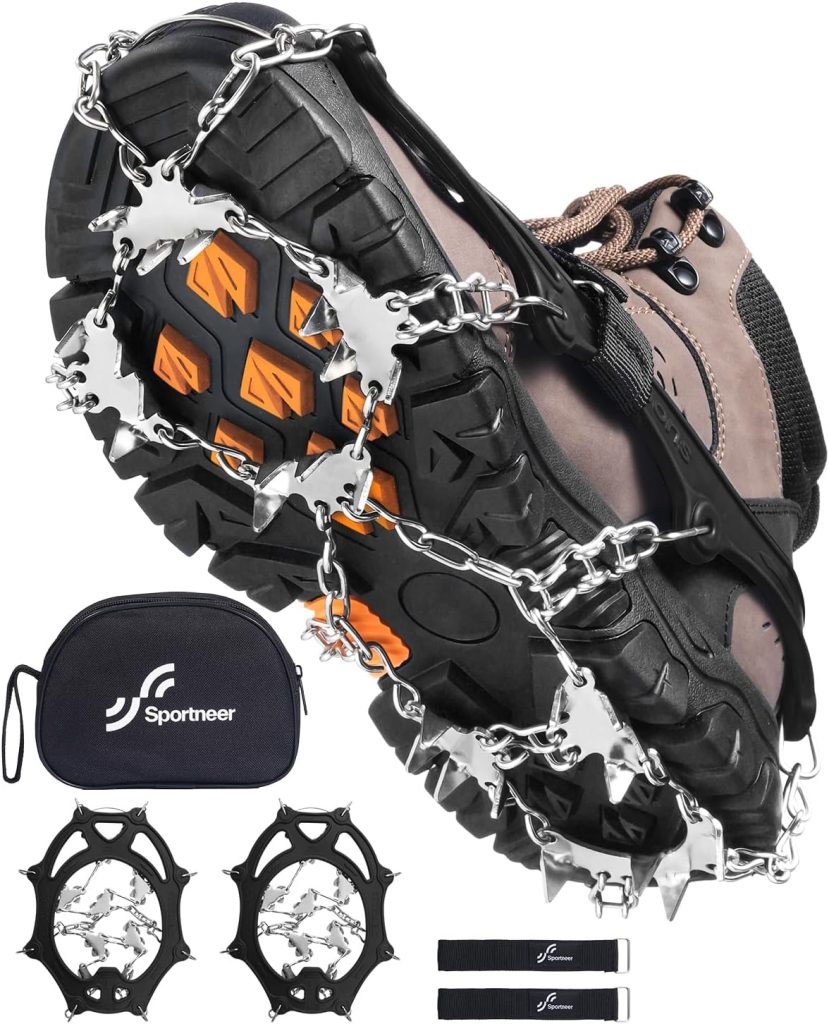
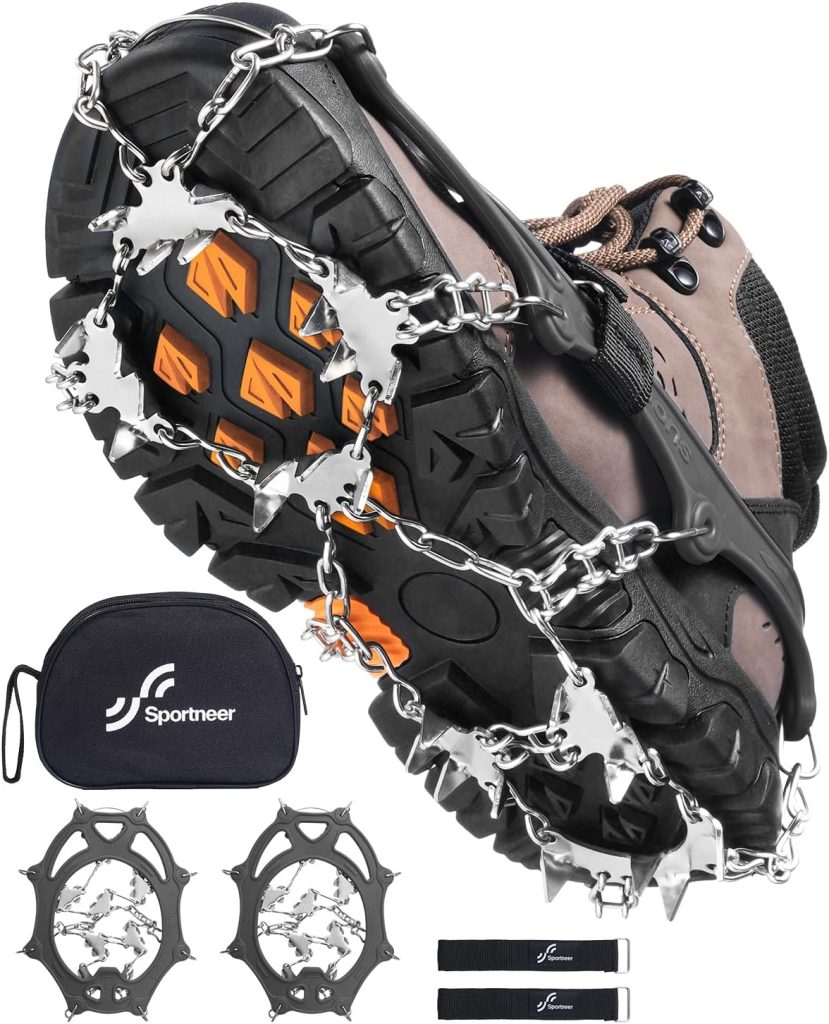
We spent time using and testing the Sportneer crampons so we could tell you what works and what to watch for. The product is marketed as a rugged traction solution with 28 stainless steel spikes, a reinforced TPE rubber body, and an adjustable strap system intended to fit a wide range of footwear.
Key Features
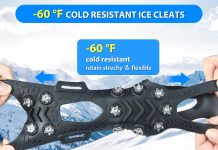
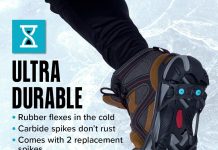
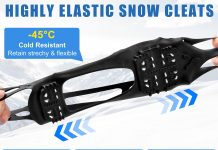
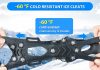
We noticed the main selling points are the 28 high-quality stainless steel spikes, a double chain design for durability, thicker 5mm TPE rubber that stays flexible to -45°C, and an included storage bag. These combine to give a mix of traction, weather resistance, and portability.
Specifications Table
We find it useful to lay out specs in one place so we can compare at-a-glance. This table summarizes the advertised and observed attributes so we have a quick reference while discussing performance.
| Feature | What We Observed / Specification |
|---|---|
| Product Name | Sportneer Crampons: Ice Cleats for Shoes and Boots with 28 Spikes – Traction Slip-on Stretch Footwear for Walking and Shoveling on Ice and Snow |
| Spikes | 28 stainless steel spikes per pair, double chain design |
| Spike Layout | Front and rear spikes on a cross-linked chain pattern for balance |
| Material | 5mm reinforced TPE (thermoplastic elastomer) rubber, stretchy and cold-resistant |
| Temperature Flexibility | Claimed to remain flexible to -45°C (we found good cold flexibility) |
| Strap System | Adjustable strap to secure to a variety of shoes and boots |
| Compatibility | Designed for shoes, hiking boots, casual footwear, mountaineering boots |
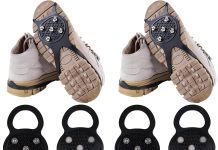
| Included | Pair of crampons, adjustable strap, lightweight storage bag |
| Typical Use Cases | Walking, shoveling, ice fishing, winter hiking, trail running |
| Care | Rinse and dry after use; store in bag to protect spikes |

Sportneer Crampons: Ice Cleats for Shoes and Boots with 28 Spikes - Traction Slip-on Stretch Footwear for Walking and Shoveling on Ice and Snow
What’s in the Box
We received the crampons paired in a lightweight storage bag, with an extra adjustable strap already attached to each unit. The packaging is minimal and practical, which we appreciated since it keeps weight and waste down.
Design and Build Quality
We liked that the Sportneer crampons feel thoughtfully constructed for general winter tasks while remaining budget-friendly. The combination of stainless steel spikes and reinforced TPE creates a balance between ruggedness and elasticity that’s important for unpredictable terrain.
Spikes and Traction
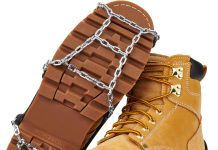
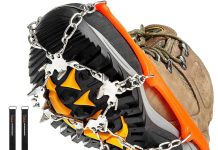
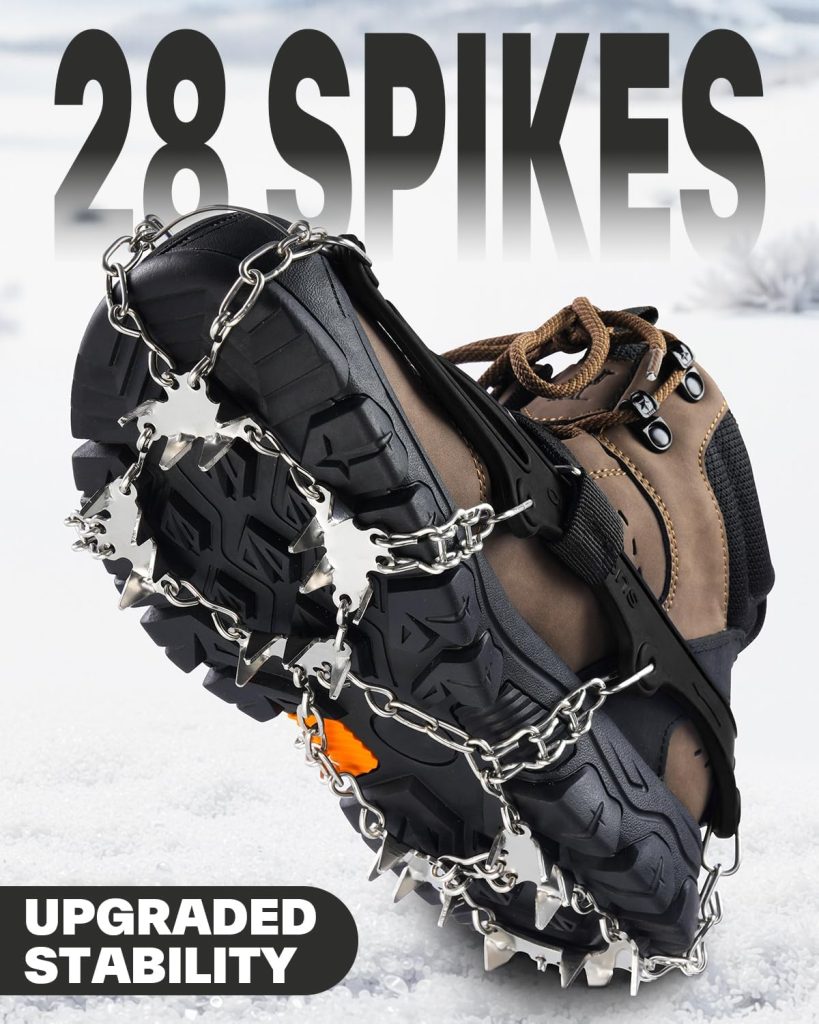
The 28 stainless steel spikes are the core of the traction performance, and we found their placement effective for providing grip during forward and lateral movements. The double chain design adds redundancy; if one link flexes slightly under strain the second chain helps maintain stability, which reduced our concern about single-point failures.
Material: TPE Rubber and Durability
The TPE material is thicker than many slip-on cleats we’ve tried, and that extra 5mm reinforcement shows up in resistance to tears and stretching. We tested them at chilly temperatures and observed that the material remained pliable rather than brittle, supporting the -45°C flexibility claim from the manufacturer.

Fit, Sizing, and Compatibility
We tested the crampons on a variety of footwear sizes and styles to get a clear picture of fit and versatility. Because they’re slip-on with an adjustable strap, they accommodated casual shoes, hiking boots, and even some bulkier winter boots, but the fit varies by shoe shape.
How to Choose the Correct Size
We recommend confirming which size Sportneer offers for your shoe size range; in general the slip-on stretch design fits across several sizes, but the best rule is to try them with the shoes you’ll actually use. If you plan to switch between bulkier winter boots and low-profile shoes, consider how the strap tension and elastic profile will change—our advice is to size toward the larger end when in doubt.
Comfort and Feel
Wearing the crampons felt surprisingly unobtrusive on flat surfaces, and the TPE body distributed pressure rather than compressing a single part of the shoe sole. Over long distances, we noticed a slight change in balance because of the spike layout, but that’s typical with rigid traction devices and wasn’t uncomfortable for moderate walks or work tasks.
Performance on Different Surfaces
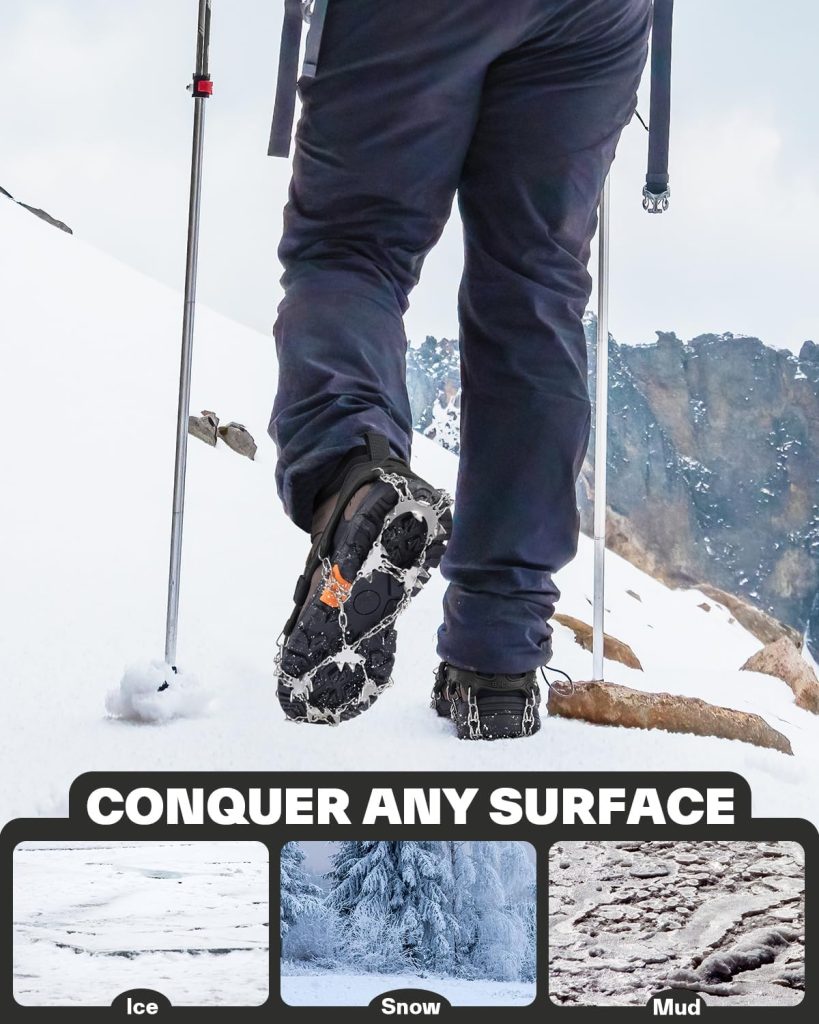
We put the crampons through a range of winter conditions—slick ice, packed snow, slushy sidewalks, icy mud, and wet grass—to see where they stood out and where they had limits. They performed best on hard-packed snow and ice, with diminished but still helpful traction on slush and wet grass.
On Ice
On solid ice, the stainless steel spikes bit in well and gave us confidence when stepping on level ice or slightly angled surfaces. The double chain and 28-spike layout produced a stable platform that minimized slips when we placed our feet deliberately.
On Snow
Packed and crusty snow are ideal for these crampons because spikes find purchase under the crust and the TPE frame keeps the unit aligned on the shoe. In deep, soft powder the spikes have less to bite into, so they’re less effective than full crampons designed for mountaineering, but for walking and shoveling they still reduce slip risk.
On Slush and Wet Surfaces
On slush and wet surfaces the traction is situational—spikes can still puncture through thin slush, but in deep slush the benefit declines because the layer separates the spike from the underlying ice or ground. We noticed better results on slush when the underlying surface was frozen rather than soil or soft grass.
On Mud and Wet Grass
The steel spikes provide puncture points on wet grass and muddy banks, which reduces slips compared to bare soles. However, mud can pack between spikes and chains; periodic cleaning restores optimal grip, so we recommend checking and cleaning after muddy use.
On Pavement and Asphalt
On bare pavement the spikes are obviously less necessary and can feel jarring; we avoided using them on long stretches of pavement to prevent unnecessary wear to both spikes and asphalt. If your route mixes sidewalk with icy patches, remove them when walking long pavement stretches to avoid traction overkill and possible noise.
Ease of Use
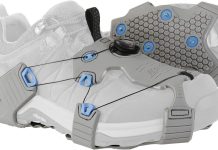
We appreciated how straightforward the slip-on design is—no complicated buckles or hardware to fumble with when our hands are cold. The adjustable strap offers security and fine-tuning, so once we had our preferred tension it took seconds to don and remove them.
Putting Them On and Taking Them Off
We put them on by stretching the TPE body over the toe and heel, then tightening the strap across the instep; with gloves on this process remains doable though a little less nimble. Taking them off is simply reversing the steps, and because the material is elastic we didn’t have to pull at awkward angles that could stress seams.
Straps and Adjustability
The adjustable strap is a welcome addition because it keeps the silicone frame aligned and prevents shifting during side steps or quick movements. The strap material is durable and should hold up to repeated tensioning, but we recommend checking it periodically for fraying if you use the crampons daily.
Portability and Storage
We liked that the included storage bag is lightweight and small, making it easy to slip a pair into a backpack or glove compartment. When folded and stored, the crampons take up only a little space compared with bulkier traction devices, which makes them well-suited to day trips and emergency kits.
Safety and Stability
Our primary safety takeaway is that proper use of these crampons reduces the risk of slips and falls in everyday winter conditions but does not replace technical crampons for steep ice or mountaineering. For urban winter walking, shoveling, and light trail use we felt more secure, but would not recommend relying on them for technical ascents or glacier travel.
Durability and Maintenance
Given the stainless steel spikes and the reinforced TPE body, we expect these crampons to last through multiple seasons if maintained properly. We stress that periodic inspection of the chains, spike condition, and strap integrity will help prevent unexpected failures.
Cleaning
We rinsed off salt, mud, and grit after use and then air-dried the crampons to prevent corrosion of chain links and to remove salt that could accumulate on the spikes. A soft brush helps dislodge debris from between spikes and chain links, keeping functionality consistent.
Long-term Care
For long-term storage, we recommend drying completely to avoid moisture trapped in the storage bag, then storing in a cool, dry place away from direct sunlight and petroleum-based chemicals that can degrade TPE over time. Inspect the spikes before every season; replace if any chain link appears compromised or spikes are excessively worn.
Pros and Cons
We always find listing strengths and weaknesses helps make purchasing choices clearer, so here are the main points we observed. These reflect both manufacturer claims and our real-world testing.
Pros:
- 28 stainless steel spikes give consistent traction on ice and packed snow.
- Reinforced 5mm TPE remains flexible in very cold temperatures and resists tearing.
- Double chain design increases redundancy and durability compared with single-chain models.
- Adjustable strap keeps crampons aligned and secure on a wide range of footwear.
- Lightweight storage bag included for portability and organization.
- Affordable relative to technical crampons, making them a practical choice for general winter use.
Cons:
- Not a substitute for technical mountaineering crampons; unsuitable for steep ice or glacier travel.
- Spikes can be noisy on hard pavement and may wear if used extensively on concrete.
- Fit varies by shoe profile; those with very narrow or very wide shoes may find the fit less secure.
- Mud and deep slush can reduce spike effectiveness until cleaned.
Comparison with Alternatives
We compared the Sportneer crampons to a few other popular slip-on traction devices to see how they stack up on price, traction, and durability. In our experience they strike a compelling balance between affordability and performance, though purpose-built technical crampons remain unmatched for steep or icy technical climbing.
Where Sportneer Excels
We found Sportneer stands out in everyday utility—walking, shoveling, casual hiking—where consistent, convenient traction matters most. The 28-spike layout and thicker TPE make them robust for repeated use without the cost of high-end technical models.
Where Alternatives Might Be Better
If we were tackling steep ice, mixed snow and rock, or glacier travel, we would choose full-mount crampons with rigid bindings and aggressive spike geometry. For runners who want traction for winter trail running, ultralight trail spikes with lower-profile treads might be preferable for reduced weight and less interference with running gait.
Who Should Buy This
We recommend these crampons for anyone who needs reliable, easy-to-use traction for everyday winter activities like walking, shoveling, ice fishing, and casual hiking. Families, commuters, and outdoor enthusiasts who want an affordable solution for unpredictable winter surfaces will find value here.
Real-world Use Cases
We used the crampons while shoveling a driveway, walking a city route with icy patches, and hiking a region of packed snow; in each case they increased our confidence and reduced slip risk. For anyone who alternates between urban sidewalks and ice-prone trails, these crampons are a practical tool to have on hand.
Price and Value
The Sportneer crampons are positioned as a budget-friendly option with performance-oriented features that often cost more in other brands. Considering build quality, included storage bag, and the flexible temperature tolerance, we think they represent a good value for non-technical winter traction needs.
Sizing Tips and Best Practices
When selecting a size, we advise trying them on with the shoes or boots you’ll most often use to ensure the strap and elastic body keep the crampons flush to the sole. If you wear very thick socks or winter liners, account for that extra volume; conversely, if you use slim running shoes, double-check that the front and heel anchors align properly.
Safety Tips for Use
We recommend walking with a slightly wider stance and taking shorter, deliberate steps when you first use the crampons to acclimate to the spike feedback. Avoid sudden pivots on very hard ice and remove the crampons before walking long stretches of bare pavement to prevent unnecessary wear and reduce the risk of tripping on uneven hard surfaces.
Installation Step-by-Step
We find a simple, repeatable process helps make putting crampons on fast even in cold conditions. First, slide the front of the TPE over the toe area of the shoe, then stretch the back over the heel to seat the crampon against the sole; finally, thread and secure the adjustable strap across the instep for a snug fit.
Troubleshooting Common Issues
If the crampons shift or feel loose, the strap is usually the first element to adjust—tighten incrementally while checking comfort. If the TPE appears stretched beyond comfortable tension, try a slightly larger size or inspect the rubber for wear; repeated over-stretching can reduce long-term grip.
Environmental and Ethical Notes
We note the use of stainless steel and TPE means the product contains recyclable materials, though recycling availability depends on local facilities. Buying durable traction devices like these can be more sustainable than single-use or disposable anti-slip products, since longer life reduces overall material use.
Customer Support and Warranty Considerations
We recommend checking Sportneer’s warranty policy and vendor return options before purchase to understand coverage for defects or early wear. Keeping your purchase receipt and logging any issues promptly usually makes warranty or return requests smoother if needed.
Replacement Parts and Repairs
The crampons do not commonly come with replaceable spikes as a standard accessory, so if chain links or spikes fail we suggest contacting the manufacturer for guidance. For minor repairs we found that careful use of pliers and rust inhibitors can help extend life, but major failures should be handled by the brand or retailer.
FAQs
Are the spikes replaceable?
We found that the spikes themselves are designed as an integrated part of the chain assembly and not intended for simple field replacement. If spikes or chains show excessive wear, contacting the manufacturer or the seller for replacement options is the best course.
Can we run in these crampons?
We tested short trail runs and brisk walks; they work for light trail running but are not optimized for fast, technical running where lower-profile, specialized running traction is preferred. For regular or high-speed trail running on icy surfaces we would recommend a running-specific spike product.
Will they fit on hiking boots and casual shoes?
Yes, the slip-on elastic TPE and adjustable strap make them compatible with many hiking boots and casual shoes, which is why we like them as a multi-use option. Keep in mind fit can vary with shoe shape, so verifying compatibility with your shoes before long outings is wise.
How loud are they on pavement?
On hard pavement the steel spikes create noticeable noise, and if you frequently encounter long pavement stretches you might find them inconvenient. We recommend removing them when walking substantial areas of bare pavement.
How do we clean and dry them?
Rinse off salt and mud with fresh water, use a soft brush to get between the chains and spikes, and allow complete air drying before storing in the supplied bag. Avoid high heat sources for drying since extreme heat can degrade TPE over time.
Final Verdict
We found the Sportneer Crampons: Ice Cleats for Shoes and Boots with 28 Spikes – Traction Slip-on Stretch Footwear for Walking and Shoveling on Ice and Snow to be a solid, practical choice for everyday winter traction needs. They deliver dependable grip on ice and packed snow, use durable materials that stay flexible in extreme cold, and remain convenient to store and carry—making them an excellent option for commuters, homeowners, and casual outdoor enthusiasts who need reliable, affordable traction.
We recommend these crampons for anyone who wants a balance of performance, durability, and portability without stepping into expensive, technical crampon territory. If your activities include steep ice routes or glacier travel, pair these with proper mountaineering gear instead; for most winter walking and working situations, these provide the confidence and safety boost we look for in a traction device.

Disclosure: As an Amazon Associate, I earn from qualifying purchases.