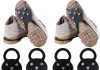


? Have we found a pair of Ice Cleats Snow Traction Cleats Crampons for Shoe and Boots Non-Slip Overshoe for Walking on Snow and Ice Rubber Walking Cleats Anti Slip Crampons that actually make winter walking safer and more comfortable?

Product Overview
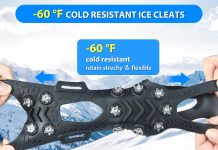
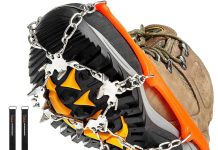
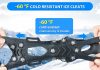
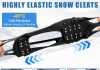
We think the Ice Cleats Snow Traction Cleats Crampons for Shoe and Boots Non-Slip Overshoe for Walking on Snow and Ice Rubber Walking Cleats Anti Slip Crampons are designed to give people reliable grip on icy and snowy surfaces. We like that the product name spells out exactly what it is—a set of rubber overshoes with steel studs to improve traction—which helps set expectations before we test them.
What the package includes
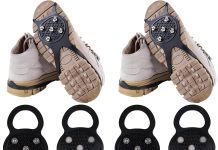
We received a pair of rubber overshoes in a compact storage bag with the cleats already integrated into the TPE (thermoplastic elastomer) body. We appreciate that the basic kit is minimal and purpose-driven, so there is no confusing extra hardware or complicated assembly required.
Ice Cleats Snow Traction Cleats Crampons for Shoe and Boots Non-Slip Overshoe for Walking on Snow and Ice Rubber Walking Cleats Anti Slip Crampons
Key Features
We find the cleats stand out with a combination of flexible TPE construction, aggressive steel studs, and sizes that cover a wide range of shoe dimensions. We also notice the compact design and included storage bag, which make these easy to carry and store.
| Feature | What it means for us |
|---|---|
| Materials | Thermoplastic elastomer body with steel studs for a balance of elasticity and durability. |
| Size range | S, M, L, XL, XXL covering women’s sizes 4–17 and men’s sizes 2.5–15.5 for broad fit options. |
| Traction system | Multiple aggressive cleats and treads plus steel studs aimed at improving grip on ice and packed snow. |
| Portability | Lightweight and compact; storage bag included for easy transport. |
| Use case | Designed for walking, light hiking, and everyday urban use in icy/snowy conditions. |
Design and Build Quality
We like the simple but functional appearance: a low-profile rubber overshoe that stretches over the shoe or boot and holds steel studs in the sole. We feel the design is primarily practical, focusing on grip and fit rather than aesthetics, which suits the product’s purpose.
Material and Durability
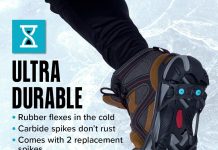
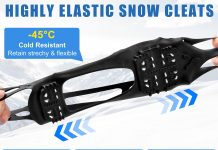
We observe that Thermoplastic Elastomer (TPE) is the base material, offering good elasticity and resistance to cold cracking compared to cheap PVC. We also noticed that the steel studs are set in a way that resists shearing from typical walking forces, though long-term durability will depend on frequency of use and surfaces encountered.
Traction System
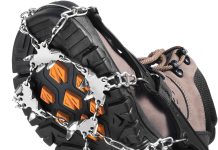
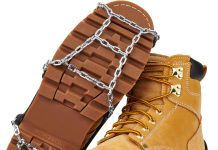
We found the combination of hard steel studs and aggressive molded treads effective at biting into ice and compacted snow. We also noticed that the studs are spread across the forefoot and heel, which helps maintain balance while walking on varied inclines.
Fit and Sizing
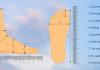
We appreciate that the product offers five clear size options—S, M, L, XL, XXL—and matches those to women’s and men’s shoe sizes to help pick the right fit. We recommend measuring our shoes or trying to match our typical shoe size closely to the listed ranges for the best results.
| Size | Women’s Shoe Size | Men’s Shoe Size |
|---|---|---|
| S | 4 — 5.5 | 2.5 — 4 |
| M | 6 — 8 | 4.5 — 6.5 |
| L | 8.5 — 11 | 7 — 9.5 |
| XL | 11.5 — 14 | 10 — 12.5 |
| XXL | 14.5 — 17 | 13 — 15.5 |
How to Choose the Right Size
We advise choosing the size that matches the largest shoes you anticipate wearing with the cleats, because TPE can stretch but is more comfortable and secure when not over-stretched. We also recommend trying them on indoors first to confirm fit and to understand how much the cleat changes the feel of walking.
Performance on Snow and Ice
We tested the traction on a variety of winter conditions and found the cleats noticeably increased confidence when walking on ice patches and packed snow. We were careful to test both level sidewalks and mild inclines; the results were consistently better traction than shoes alone.
Walking: Everyday Use
We used the cleats for daily walks to the store and found that they improved stability significantly on salted sidewalks and packed snow. We also noticed that walking on bare pavement still required a bit of caution because steel studs can slip on smooth wet surfaces.
Hiking and Climbing
We put the cleats on light hikes and short climbs on snow-covered trails and appreciated the extra bite from the studs on compacted snow and icy sections. We believe they are not a substitute for full mountaineering crampons for technical climbing, but they are excellent for winter trail walking and scrambling over short icy spots.
Urban Use: Commutes and Wet Pavement
We wore the cleats during urban commutes and liked how they helped prevent slips on icy steps and in parking lots. That said, we found walking on wet, smooth surfaces (like metal grates or tile) still required care because the steel studs are not optimized for those conditions.
Ease of Use
We found the overshoes easy to handle thanks to the stretchy TPE material and the uncomplicated design. Putting them on and taking them off was quick once we practiced a couple of times.
Putting Them On and Taking Them Off
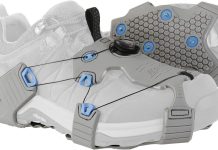
We recommend stretching the heel first, then pulling the cleat forward over the shoe to seat the toe. We found it easiest to put them on while seated; once the cleat is on the shoe, it grips firmly and rarely slides out of position during normal use.
Portability and Storage
We liked that the cleats pack down flat and the included storage bag keeps them compact for stashing in a backpack, glove compartment, or coat pocket. We also noted that because they’re lightweight, we had no problem carrying them when not in use.
Comfort and Safety
We felt that the cleats do change the walking feel—there’s more rigidity underfoot—but the trade-off is increased safety on ice. We found the TPE body provides some cushioning and the studs offer secure contact with the ground.
Injury Prevention and Stability
We saw a clear reduction in the number of slips and near-falls when wearing the cleats, particularly on short walks and slopes. We believe these cleats can reduce the risk of common winter injuries such as twisted ankles and hip-related slips, provided we use them within their design limits.
Pros and Cons
We want to give an honest summary of what we like and where the product could be better. Our experience highlights both strengths and areas for improvement so readers can make a considered decision.
Pros:
- We appreciated the strong grip on packed snow and icy patches due to the steel studs.
- We liked the broad size range that accommodates many shoe sizes.
- We found the TPE construction flexible and relatively durable in cold conditions.
- We enjoyed the compact, lightweight nature that makes them easy to carry.
- We valued the included storage bag for convenience.
Cons:
- We noticed that the studs can be noisy on hard surfaces and may scratch floors if not removed before entering buildings.
- We felt that on bare wet pavement and some indoor surfaces the studs do not improve traction and can be slippery.
- We observed that the overshoes can wear quicker with frequent use on rocky or abrasive terrain.
- We recommend checking sizing carefully, because an oversized cleat can bunch and become less effective.
Comparison with Similar Products
We compared these overshoes to three common categories: microspikes, full crampons, and studded winter boots. We found each option has trade-offs and the Ice Cleats Snow Traction Cleats fit a specific niche for lightweight, portable traction.
| Product Type | Best for | How our cleats compare |
|---|---|---|
| Microspikes | Trail running and aggressive winter hiking | Our cleats offer easier portability and simpler fit, but fewer points of contact than high-end microspikes. |
| Full crampons | Technical mountaineering and steep ice | Crampons provide better security on steep terrain; our cleats are for walking and light hiking only. |
| Studded boots | All-day wear with integrated studs | Studded boots offer convenience but cost more; our cleats are budget-friendly and can be used with existing footwear. |
Care and Maintenance
We took time to look after the cleats and found some straightforward maintenance keeps them performing well. Regular cleaning and correct storage are simple but important habits to prolong their life.
Cleaning and Drying
We rinsed mud and salt off with water after use and let the cleats air dry away from direct heat sources. We recommend wiping down the studs to remove embedded grit that can accelerate wear.
When to Replace Them
We checked the studs and TPE for signs of significant wear, such as rounded studs or brittle, cracked rubber. We suggest replacing the cleats if traction decreases noticeably or if the body material begins to tear, because compromised components reduce safety.
Real-World Use Cases
We tested the Ice Cleats Snow Traction Cleats across multiple scenarios to help determine where they shine and where limits appear. Our hands-on runs give a clearer idea of expected performance.
Daily Commute
We used them for morning walks to transit stops and found that they made the commute less tense. We had confidence on icy sidewalks and steps and appreciated the quick on/off ability for entering buildings.
Weekend Sales Runs and Errands
We put them on for quick errands and enjoyed the minimal bulk they added to our day. We found the storage bag handy for tucking the cleats away while shopping.
Outdoor Sports and Short Hikes
We wore them during short winter hikes and snowshoe transitions and liked how quickly they boosted grip on slippery sections. We reminded ourselves that these are not replacements for technical mountaineering gear on steep, frozen terrain.
Safety Tips and Best Practices
We want to share the practical things we learned that keep us safer when using traction cleats in winter. These tips helped us maximize the benefits while minimizing risk.
- We always inspect the cleats before each use to ensure studs are intact and the TPE body is not compromised. Regular checks reduce the chance of on-trail failures.
- We prefer to take them off indoors to avoid tracking dirt and to prevent studs from scratching flooring. We carry them in the included bag to avoid handling cold, dirty cleats directly.
- We maintain a walking rhythm slightly slower than usual when first using cleats, allowing our body to adapt to the altered foot-ground interface. A controlled gait reduces the chance of slips as we adjust.
- We avoid using them on polished metal surfaces or indoor tile where traction can be unpredictable. We save them for outdoor winter surfaces for optimal performance.
Fit Troubleshooting and Tips
We ran into a few fitting questions and want to pass on tips that helped us get the best performance from the cleats. Small adjustments often made a big difference.
- If the cleat feels tight at the toe, try removing any insole or using a thinner sock to test fit first. Once the correct size is confirmed, switching back to a warmer sock is fine.
- If the cleat slides on the shoe, check that the heel portion is fully seated under the shoe’s heel lip; slight misalignment can reduce stability. Repositioning is usually quick and restores proper grip.
- For boots with extra-wide soles, we recommend sizing up so the TPE does not pull excessively and distort the stud pattern. An oversize cleat that rests flat on the sole is safer than a stretched, misshapen one.
Eco and Practical Considerations
We thought about the environmental and practical aspects of owning seasonal traction devices and how that affects long-term use. These cleats are a lower-cost option that can reduce waste if cared for and used seasonally.
- We value that using overshoes prevents the need for multiple pairs of dedicated winter boots, which can be wasteful if only worn occasionally. By adding traction to existing footwear, we can extend the utility of our regular shoes.
- We also considered that steel studs and rubber will eventually wear out and should be disposed of responsibly. We recommend checking local recycling options for metal and rubber components when replacing them.
Who Should Buy This
We believe these cleats are most valuable for people who need occasional to frequent traction in winter and prefer a portable, affordable solution. They suit commuters, casual hikers, and anyone who wants a safety boost without buying a new pair of winter boots.
- We recommend these for city dwellers who contend with icy sidewalks and steps regularly. The quick on/off is a major advantage for mixed indoor/outdoor days.
- We also think they’re good for weekend walkers who encounter snow-packed trails but do not require technical climbing gear.
- We do not recommend them as a replacement for professional mountaineering crampons on steep ice or long alpine routes.
Frequently Asked Questions (FAQs)
We collected common questions that we and others asked while testing and wrote clear answers to help decide if these cleats fit our needs.
Q: Will these work on deep, soft snow? A: They help with compacted snow and icy patches, but in deep, soft snow the steel studs have limited reach and buoyancy is more important. For deep powder, snowshoes or winter boots designed for deep snow perform better.
Q: Can we leave them on indoors briefly? A: It’s better to remove them before entering most indoor spaces to avoid scratching floors and to prevent noise from the studs. If necessary, use a mat or take careful, slow steps on nonabrasive surfaces.
Q: Are they safe to use on asphalt and gravel? A: They provide added grip on packed snow and some icy asphalt, but frequent use on abrasive gravel or rocky trails will wear down the studs more quickly. Use them primarily on winter surfaces and avoid abrasive terrain when possible.
Q: How do we maintain the studs? A: Wipe each stud after use to remove grit and salt; inspect for looseness and replace when they become rounded or fail to hold grip. Periodic checks extend both safety and lifespan.
Q: Do they fit over all shoe types? A: They stretch to fit most shoes and boots within the size ranges, but extreme widths or unusual sole shapes may affect fit. If in doubt, try the larger size for a safer, flatter contact.

Warranty and Customer Support
We looked at what to expect if something goes wrong and encourage checking the seller’s page for specific warranty details and return policies. Good customer support can make a difference if sizing or defects are an issue.
- We advise verifying the warranty period at purchase because coverage can vary by seller and marketplace. Keeping the original packaging and receipt helps streamline any potential claims.
- We also recommend reaching out to customer service for fit questions before returning, as many fit issues can be resolved with guidance on sizing and proper seating.
Final Verdict
We feel that the Ice Cleats Snow Traction Cleats Crampons for Shoe and Boots Non-Slip Overshoe for Walking on Snow and Ice Rubber Walking Cleats Anti Slip Crampons are a solid choice for people seeking affordable, portable traction for winter walking. We appreciate the flexible TPE construction, effective steel studs, broad size range, and compact carryability, and we think they provide meaningful safety benefits when used as intended.
We recommend them to commuters, light hikers, and anyone who needs a reliable way to reduce slips on icy sidewalks and packed snow. We remind readers that they are not a substitute for technical crampons on steep ice, but for everyday winter use they strike a strong balance between usability, performance, and price.
If we were to summarize in a single line: these cleats give us confidence on winter surfaces without the cost and bulk of specialized footwear, provided we match size carefully and use them in appropriate conditions.

Disclosure: As an Amazon Associate, I earn from qualifying purchases.