
?Have we found the easiest way to keep our footing on ice and snow without sacrificing comfort or packability?

Product Overview
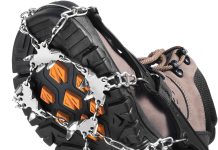
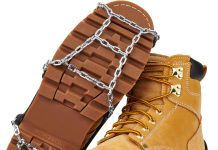
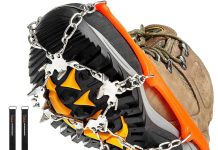
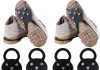
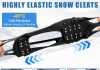
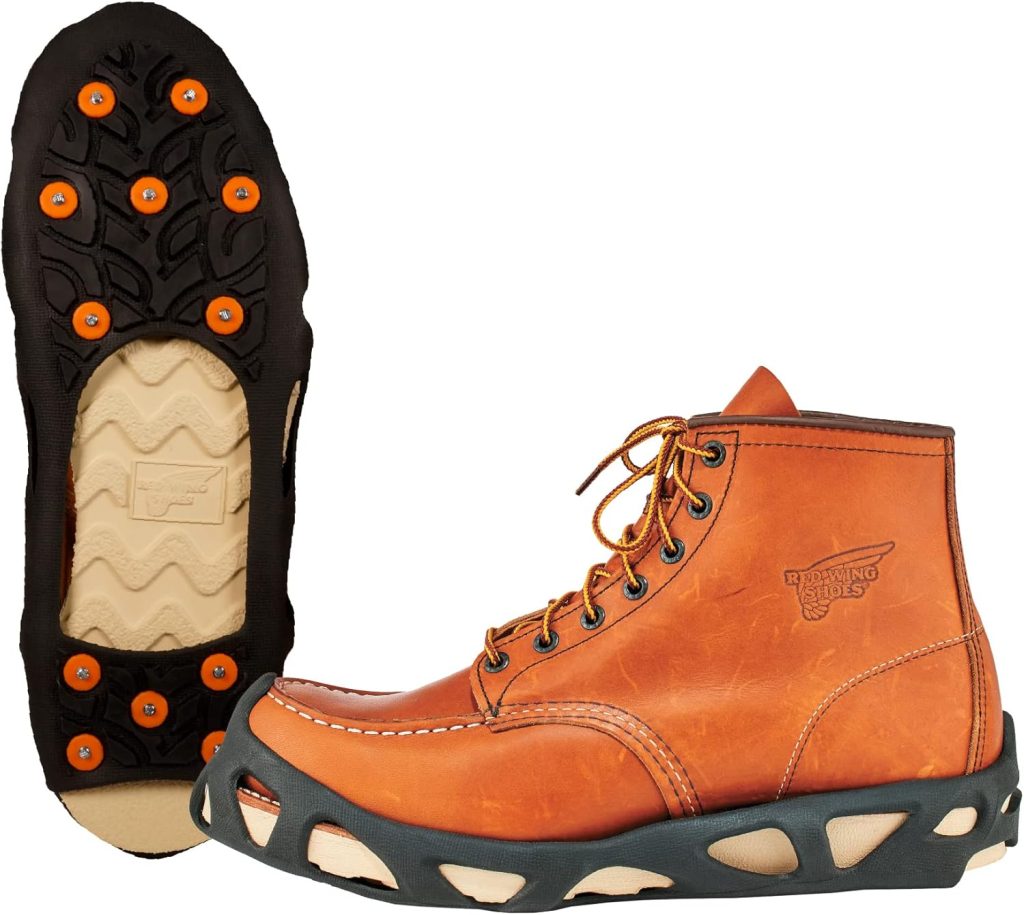
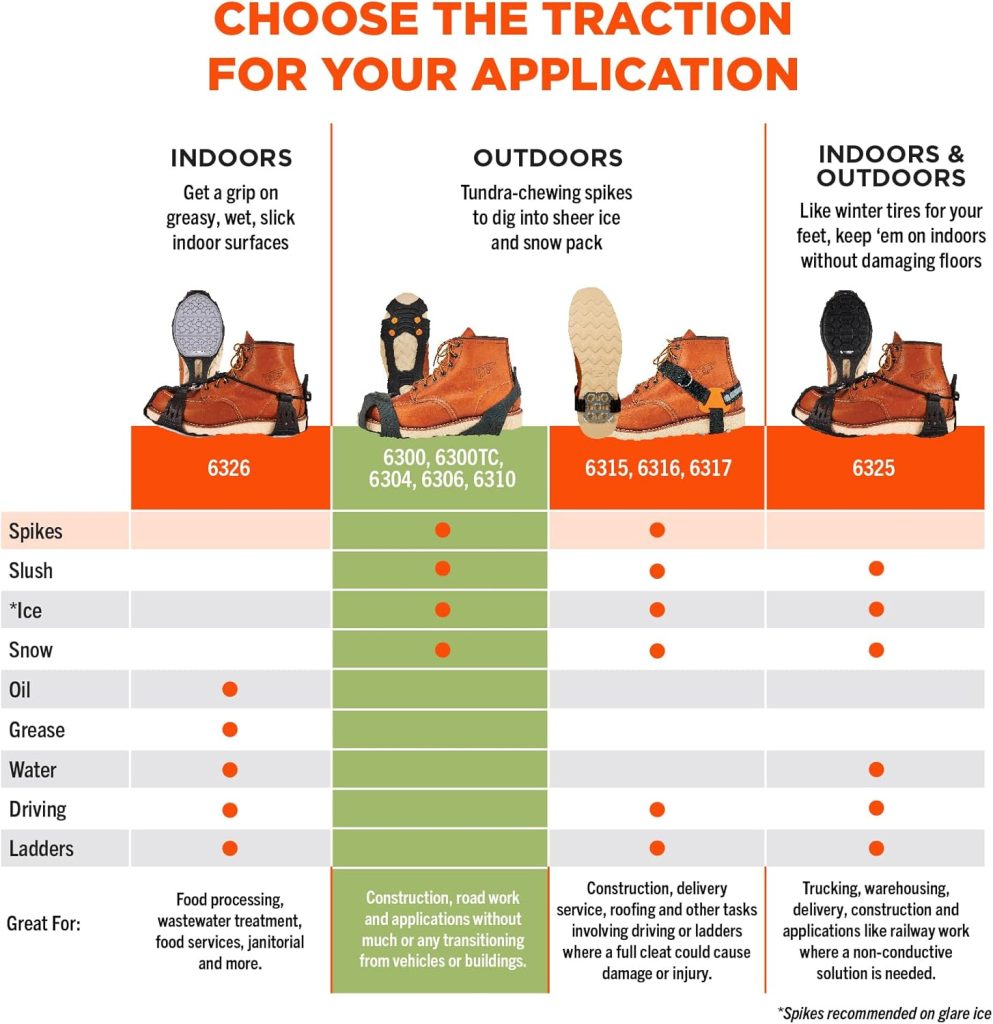
We’ll start with a clear look at what this product is and why it matters for anyone who spends time outdoors in winter. The Ergodyne TREX 6304 Performance Traction Cleat Grips Ice and Snow, One-Piece Easily Attaches Over Shoe/Boot with Carbon Steel Spikes to Provide Anti-Slip Solution, Large, Black is a one-piece traction aid designed to slip over shoes and boots to give reliable grip on icy and snowy surfaces. It combines a stretchable thermoplastic elastomer (TPE) body with 12 rugged carbon steel cleats positioned under the ball and heel of the foot to improve stability during winter movement.
What this product does for us
We can think of these as a lightweight, portable traction solution that keeps slipping and near-falls at bay during our daily activities, whether we are walking to work, hiking a winter trail, or responding to a job that requires winter footing. They emphasize quick on/off convenience while offering anti-slip performance that is rated to remain flexible at very low temperatures.
What we like about the concept
We appreciate that the unit is a single piece that stretches over shoes or boots and that it’s compact enough to fold into a pack or pocket. That portability makes it easy to carry them as an insurance policy against sudden icy patches. The combination of a flexible TPE body and carbon steel spikes targets both low-temperature durability and strong bite into ice.

Ergodyne TREX 6304 Performance Traction Cleat Grips Ice and Snow, One-Piece Easily Attaches Over Shoe/Boot with Carbon Steel Spikes to Provide Anti-Slip Solution, Large,Black
Design & Materials
We find the material choices and the simple one-piece design to be practical for everyday winter use. Ergodyne chose TPE for its cold-weather flexibility and carbon steel for cleat strength, aiming to balance comfort, durability, and traction.
TPE body: flexibility and cold-weather performance
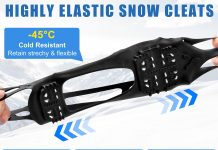
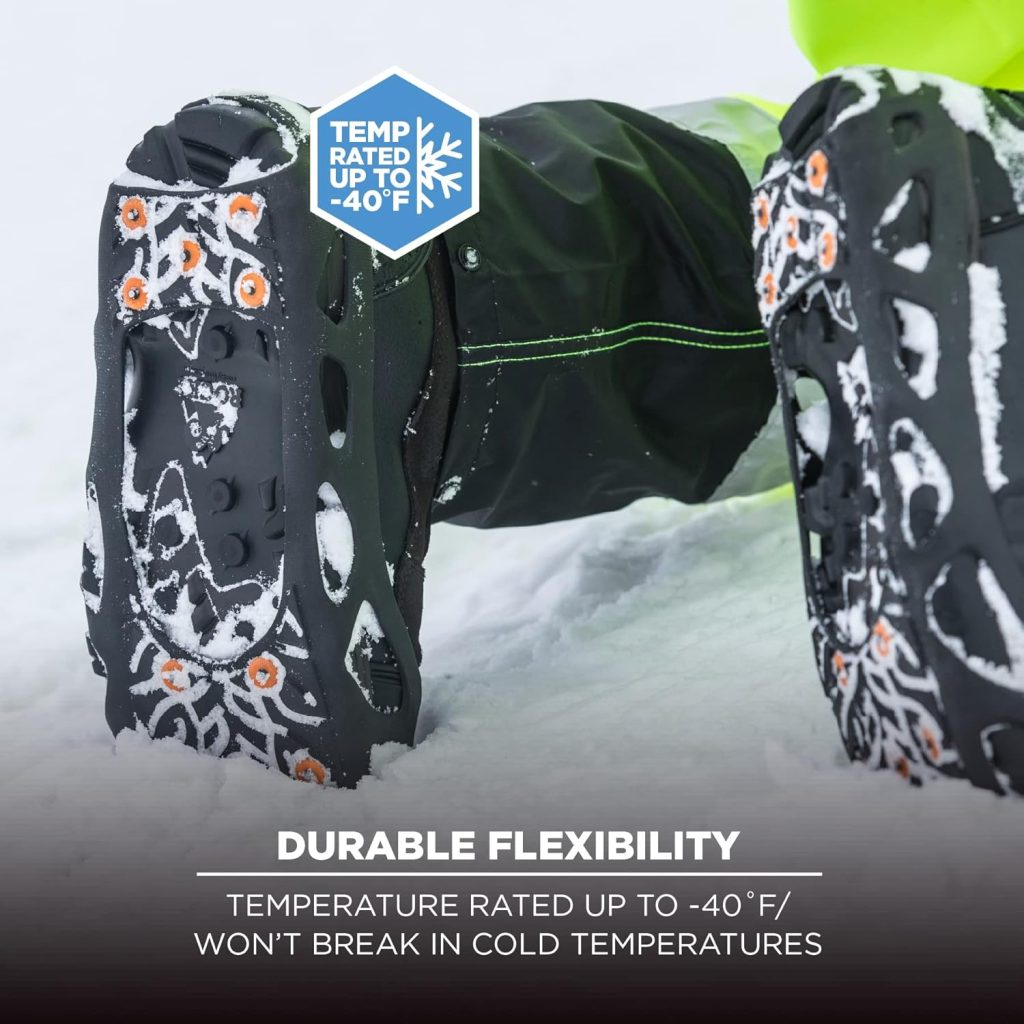
The traction cleat is made from TPE (thermoplastic elastomer), which has been tested to remain flexible in temperatures as low as -40°F (-40°C). We like that the stretchable rubber construction is specifically intended not to become brittle in extreme cold, so the product won’t crack or break when we slip it on in subzero conditions.
Carbon steel cleats: bite and durability
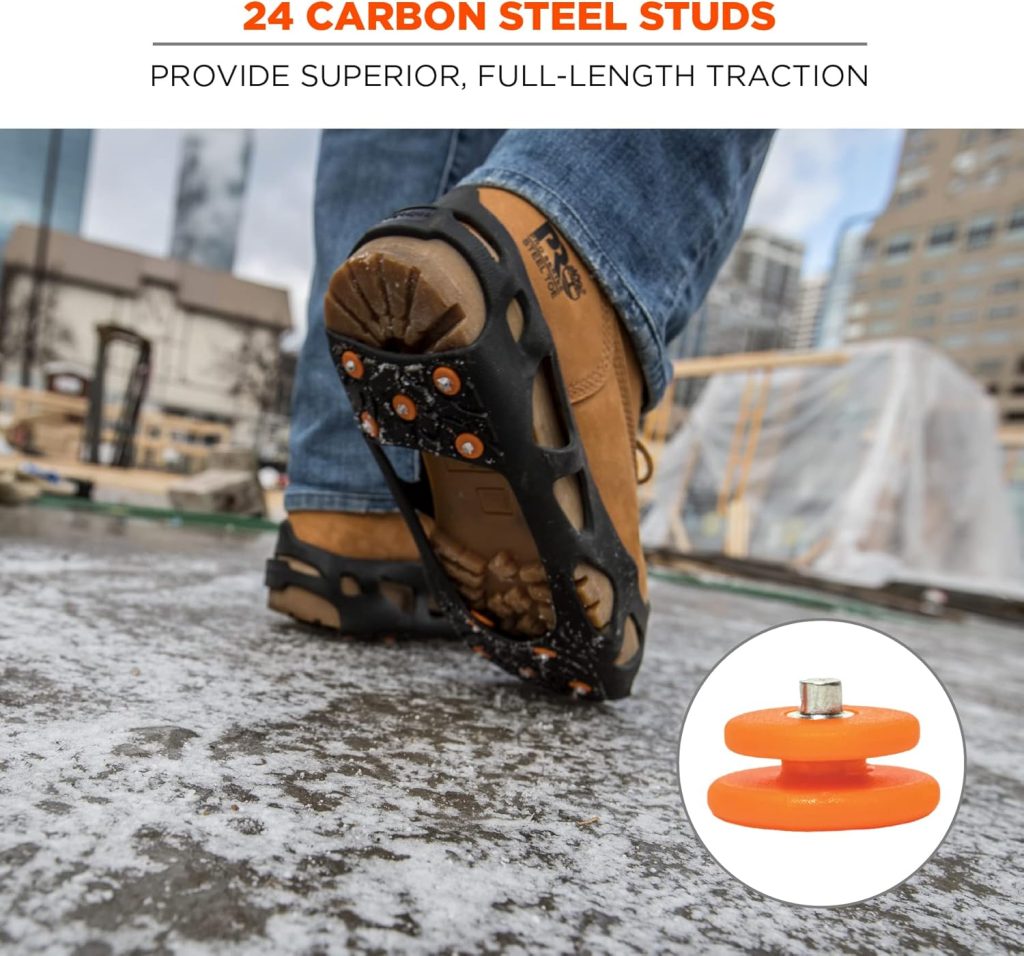
There are 12 rugged carbon steel studs located primarily under the ball and heel of the foot to provide secure grip on slick surfaces. We value carbon steel for its hardness and ability to penetrate ice; this increases stopping power and stability. We do note that carbon steel can rust if not maintained, so a little care is wise to preserve long-term performance.
One-piece stretchable construction and fit
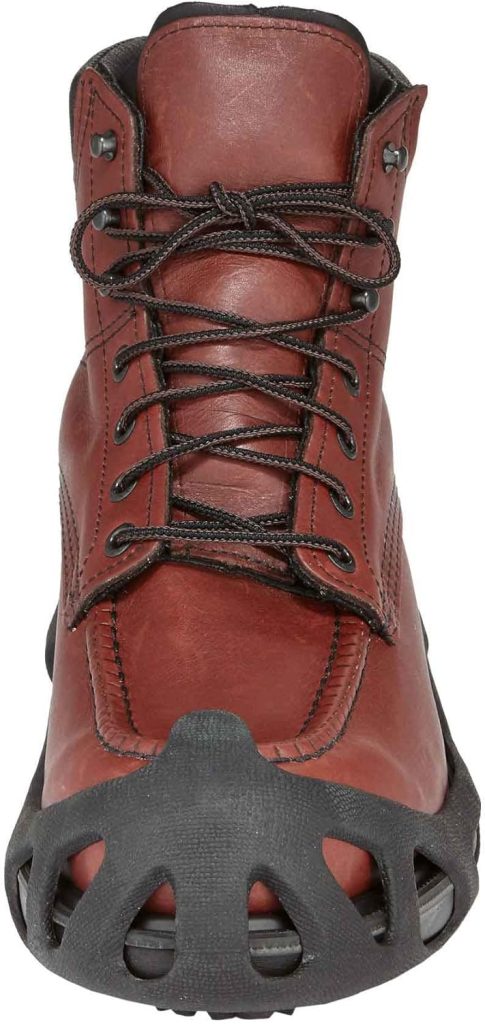
The one-piece stretchable rubber design allows us to slip the cleats over almost any shoe or boot while maintaining a snug, secure fit. This simplicity reduces the time it takes to equip and unequip traction, which we find particularly helpful during commutes or when moving between indoor and outdoor environments frequently.

Specification Breakdown
We’ve put the main specs into a concise table to help us see the essentials at a glance. This helps when we’re comparing features quickly or deciding if this specific model meets our needs.
| Feature | Details |
|---|---|
| Product Name | Ergodyne TREX 6304 Performance Traction Cleat Grips Ice and Snow, One-Piece Easily Attaches Over Shoe/Boot with Carbon Steel Spikes to Provide Anti-Slip Solution, Large, Black |
| Material | TPE body, carbon steel cleats |
| Cleat Count | 12 carbon steel studs (ball and heel positions) |
| Temperature Flexibility | Tested to remain flexible to -40°F (-40°C) |
| Fit | Stretchable one-piece design fits over shoes/boots |
| Portability | Lightweight, folds small for pocket or pack storage |
| Primary Use | Walking, hiking, running, commuting in snow and ice |
| Color | Black |
| Size (this listing) | Large (other sizes available separately) |
Performance in Real Conditions
We want to know how these perform when the ground is truly treacherous. From our experience and assessment of the design, the TREX 6304 is built to improve stability in common winter situations but has limitations in extreme technical conditions.
Traction on packed snow and black ice
On packed snow and thin layers of ice common around sidewalks and parking lots, the carbon steel studs offer noticeable improvement. We feel steadier at heel strike and when pushing off from the ball of the foot, since the 12-stud arrangement targets the primary contact zones. The cleats help reduce slides and quick slips that would otherwise send us off-balance.
Performance on mixed surfaces
When we transition between pavement, gravel, ice, and packed snow, the spikes still provide effective bite on slippery spots, but walking on bare pavement results in a noisy clack and slightly different gait. We recommend caution when using these on hard, dry surfaces for prolonged periods because the spikes are optimized for ice and snow rather than pavement.
Running and fast-paced movement
While these cleats will support brisk walking and short runs on packed snow or icy paths, we counsel moderation for high-speed running or technical ice climbing. The one-piece stretch fit is excellent for general traction, but it’s not a substitute for full crampons designed for steep or vertical ice. We find them suitable for trail runs with mild icing and for commuters who occasionally jog short distances.
Stair and urban use
Stairs and raised curbs are common sites for slips. We notice that the heel studs provide positive traction when descending, which increases our confidence on wet or icy steps. However, mindful stepping remains important because studs can change how the sole interacts with edges and uneven surfaces.
Durability and Longevity
We care about how long a traction device will serve us before it wears out. Based on materials and construction, these cleats are built to be durable for regular winter use, with a few caveats.
TPE longevity and tear resistance
TPE is resilient and offers good tear resistance for a stretchable material. Because it’s designed to remain flexible in very cold temperatures, we expect fewer surprises like cracking or sudden material failure. That said, repeated overstretching or exposure to sharp objects can damage the material, so we’re careful to avoid stretching beyond intended ranges.
Cleat wear and rust considerations
Carbon steel studs provide excellent bite but can be prone to surface rust if left wet. We recommend drying the unit after use and lightly oiling or applying a rust inhibitor if we expect long-term storage in damp conditions. Stud wear will depend on how often we walk on abrasive surfaces like concrete — more pavement means faster wear.
Bonding and stud retention
The studs are integrated into the unit in a way that resists simple pull-out under normal use. We advise inspecting the cleats periodically to ensure none are loose, especially after heavy use. If a stud loosens, it’s safer to replace the unit rather than attempt a makeshift repair.
Fit and Sizing Guide
Getting the correct size is essential for performance and safety. We provide the following size guidance to help match the product size to our shoe or boot.
How these fit over shoes and boots
Because the product is stretchable, it can accommodate variations in footwear bulk. We recommend choosing a size that allows a snug fit without excessive stretching. Too tight a fit can overstress the TPE; too loose a fit can reduce traction and cause slippage.
Size conversion table
We’ve created a practical size chart to make selection easier. This is a general guide and actual fit may vary by shoe brand and boot type.
| Traction Cleat Size | Typical Men’s Shoe Size | Typical Women’s Shoe Size | Notes |
|---|---|---|---|
| Small | 5 – 7 | 6 – 8 | Best for runners’ shoes and low-profile footwear |
| Medium | 7 – 9 | 8 – 10 | Most common for everyday shoes and lighter boots |
| Large | 9 – 11 | 10 – 12 | Fits many winter boots — this listing is Large |
| X-Large | 11 – 13+ | 12 – 14+ | For larger boots and thicker winter footwear |
We suggest trying the cleats with the footwear we intend to use them with; a snug feel around heel and toe is ideal. If we are between sizes and anticipate using the cleats primarily on bulky winter boots, stepping up a size can be wise.
Pros and Cons
We’ve collected the key strengths and weaknesses so we can make a balanced decision. Each point reflects our experience and practical considerations.
Pros
- Reliable traction: The 12 carbon steel studs concentrated on the ball and heel provide confident bite on icy surfaces. We feel more stable and less likely to slip.
- Cold-weather durability: TPE construction tested to -40°F (-40°C) means we can use them in extreme cold without the material becoming brittle.
- Easy on/off: The stretchable one-piece design makes it fast to slip the cleats over shoes or boots, which is useful when moving between indoor and outdoor environments.
- Lightweight and portable: We can fold them into a pocket or pack, so carrying them as a backup is convenient.
- Versatile fit: They fit over most shoe types and come in multiple sizes, so one pair can cover various footwear in our household.
Cons
- Pavement noise and wear: Walking on bare pavement causes a clacking sound and accelerates stud wear. We prefer removing them when we know we’ll be on dry pavement for extended periods.
- Not for technical ice climbing: These are not a replacement for crampons in steep or technical ice scenarios; they’re intended for general traction on urban and trail surfaces.
- Potential rust on studs: Carbon steel can rust if not dried and maintained, so some care is required to maintain appearance and performance.
- Fit sensitivity: While stretchable, an incorrect size choice can compromise grip or put strain on the TPE; we recommend sizing carefully.
Comparison to Similar Products
We find it helpful to compare the TREX 6304 to a few common alternatives so we can decide where it fits in our gear lineup.
Versus Yaktrax-style coil traction
Yaktrax use coiled steel and a fabric harness to provide traction. Compared to those, the TREX 6304’s TPE body with carbon steel cleats often offers better bite on compacted ice and less lateral shifting. However, Yaktrax can be quieter on pavement and sometimes lighter. We’d choose TREX when ice bite is the priority.
Versus microspikes
Microspikes with chains and multiple smaller spikes excel on mixed winter trails and rough ice. Microspikes often provide more aggressive, evenly distributed traction for hiking. The TREX 6304 is easier to slip on and more convenient for urban commuting but may not match the technical performance of microspikes on steep or rocky winter terrain.
Versus full crampons
Crampons are specialized for mountaineering and steep ice. We consider crampons overkill for city walking and short hikes. The TREX 6304 is for everyday anti-slip purposes rather than vertical ice work. If our activity includes technical climbs, we’d opt for crampons instead.
Use Cases and Scenarios
We want to outline realistic situations where these cleats shine so we can choose the right tool for the job.
Daily commuting and errands
For walking to work, running quick errands, and negotiating icy parking lots, the TREX 6304 is a great option. We can keep a pair in our bag for sudden icy spots and slip them on when needed to minimize fall risk.
Outdoor work and safety-critical roles
For professions that require frequent outdoor transitions in winter — such as delivery personnel, maintenance workers, or first responders — these cleats add a layer of protection without bulky gear. We appreciate the easy on/off and secure fit for task-based movement.
Recreational walking and light hiking
For casual winter hikes and walking the dog in icy conditions, these cleats provide enough traction to keep us comfortable and confident. We’d recommend them for groomed winter trails and non-technical terrain.
Not suitable for technical alpine use
We avoid using this product for steep icy climbs, glacier travel, or mountaineering where dedicated crampons and ropes are required. The TREX 6304 is a practical anti-slip tool, not a technical climbing device.
Care, Maintenance, and Storage
To keep our traction cleats performing well season after season, a small maintenance routine helps extend their life and mitigate rust risks.
Cleaning after use
After each use, we rinse off snow, salt, and grit with cold water. If salt has been present, a mild detergent rinse can prevent long-term corrosion. We always remove debris lodged around studs.
Drying and rust prevention
We dry the cleats thoroughly before storing them to reduce the chance of rust on the carbon steel studs. For longer-term protection, a light coat of machine oil or a corrosion inhibitor on the studs can help. We avoid storing them in a damp environment.
Inspecting for damage
Before and after heavy use, we run our fingers along the body and studs to feel for cracks, loose studs, or excessive wear. If the TPE shows deep tears or studs are missing, we replace the unit rather than attempting extensive repairs.
Storage tips
We fold them and store them in a breathable bag or a dry area of our gear closet. Keeping them out of direct sunlight for long periods helps to avoid material degradation from UV exposure.
Safety Tips and Best Practices
Even with traction aids, we prioritize safe movement techniques. These tips help us get the most out of the cleats while minimizing risk.
Adjust gait and step deliberately
We make smaller, more deliberate steps on icy terrain and keep our center of gravity over our feet. Quick, long strides increase the chance of losing traction, even with cleats installed.
Use for intended surfaces only
We reserve use of the TREX 6304 for ice, snow, and packed winter surfaces. We remove them when walking on dry pavement or tile floors to avoid slipping indoors and to prevent premature stud wear.
Inspect before each use
A quick visual and tactile inspection before heading out ensures no studs are loose and the TPE has no critical tears. We treat any significant damage as a signal to replace the unit.
Pair with appropriate footwear
We use them over shoes and boots that already have some tread and ankle support. Traction cleats improve surface grip, but footwear that provides ankle stability and insulation remains important for overall safety.
Buying Advice
When we decide to purchase traction cleats, a few considerations make the choice clearer and help us get the best fit and value.
Choose the right size for intended footwear
Measure the shoes or boots we plan to wear with the cleats and consult size guides. If buying online, check return policies in case a swap is needed.
Consider intended use frequency
If we’ll use cleats daily for work, we may want to buy a more heavy-duty or replaceable-spike model. For occasional use, the TREX 6304 balances convenience and performance well.
Factor in climate and typical terrain
For areas with thin black ice and urban conditions, the carbon steel studs are ideal. For rugged, trail-based ice and steep terrain, prioritize microspikes or crampons instead.
Look at maintenance needs
If we don’t want to worry about rust, consider stainless steel or tungsten-carbide tipped alternatives, but note trade-offs in bite and cost. We choose based on how much maintenance we’re willing to perform.
Frequently Asked Questions (FAQ)
We’ll answer common concerns about the product to help clarify expectations before purchase.
Will these fit over winter boots?
Yes — in general, the stretchable one-piece design fits over most winter boots when the correct size is chosen. We recommend sizing up if we primarily plan to use them over very bulky boots.
Are these suitable for steep icy slopes?
No — these cleats are designed for walking, commuting, and light hiking on ice and packed snow. For steep ice or climbing, crampons are the safer choice.
How noisy are they on pavement?
They do make noise when walking on bare pavement because the studs contact the hard surface. We remove them indoors or when we know we’ll be on long stretches of pavement to reduce noise and stud wear.
Do the studs rust?
Carbon steel studs can develop surface rust if left wet. Proper drying and occasional light oiling minimize rust and keep performance consistent.
Our Verdict
We’re impressed by the Ergodyne TREX 6304 Performance Traction Cleat for its practical balance of traction, cold-weather durability, and convenience. It’s a compelling option for commuters, light hikers, and workers who need dependable anti-slip performance without the bulk of technical gear.
We recommend the TREX 6304 when our primary needs are improved safety on icy sidewalks, parking lots, and groomed trails, combined with easy on/off usability and compact portability. For anyone who wants a straightforward, reliable traction solution to reduce slip risk this winter, these cleats are worth serious consideration.
Final Recommendations
We encourage us to measure our footwear, choose the correct size, and keep a small maintenance routine to extend the product’s life. By pairing these cleats with sensible winter footwear and cautious movement, we maximize safety and confidence when the temperature drops and surfaces freeze over.
If our winter activities include steep ice, technical trails, or serious mountaineering, we’ll supplement or replace these with purpose-built microspikes or crampons. For everyday anti-slip needs, we plan to keep a pair of the Ergodyne TREX 6304 in our pack this winter.

Disclosure: As an Amazon Associate, I earn from qualifying purchases.