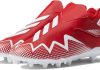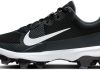


?Are these the baseball shoes that finally balance comfort, traction, and day-to-day durability for my position and playing style?

My Overall Impression
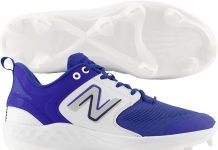
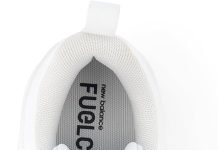
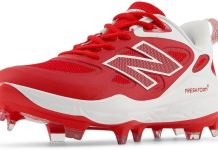
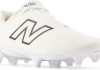
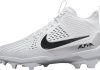
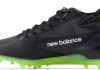
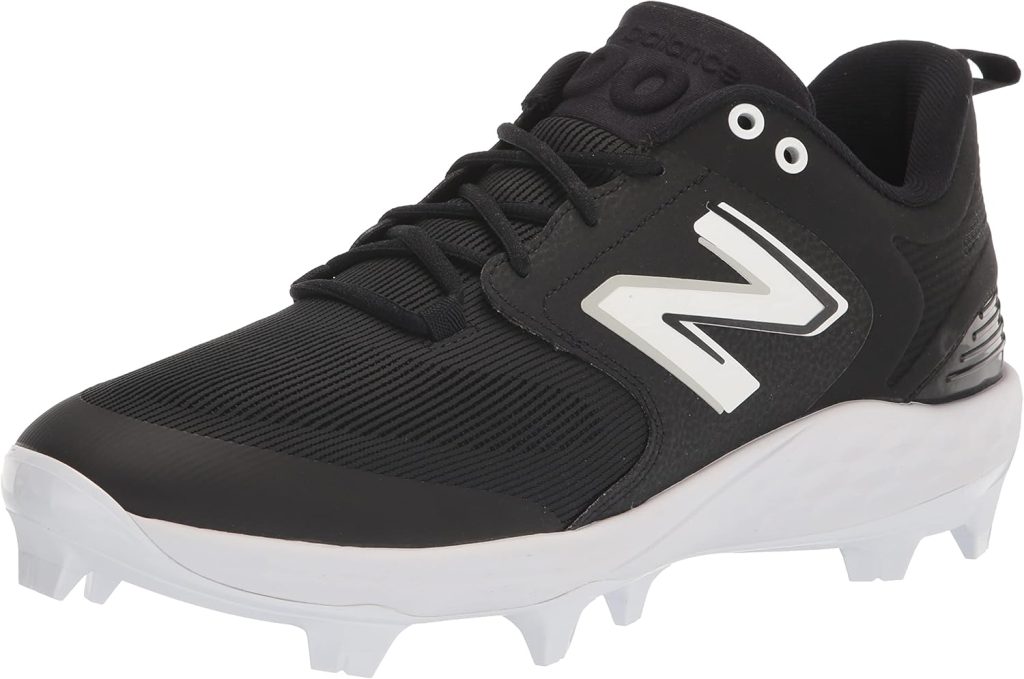
I found the New Balance Men’s Fresh Foam 3000 V6 Molded Baseball Shoes to be a pleasantly surprising blend of on-field performance and off-field comfort. They feel like a modern athletic shoe that’s been adapted for baseball needs, with cushioning that makes long practices and multi-game days much more manageable.
First Feel and Look
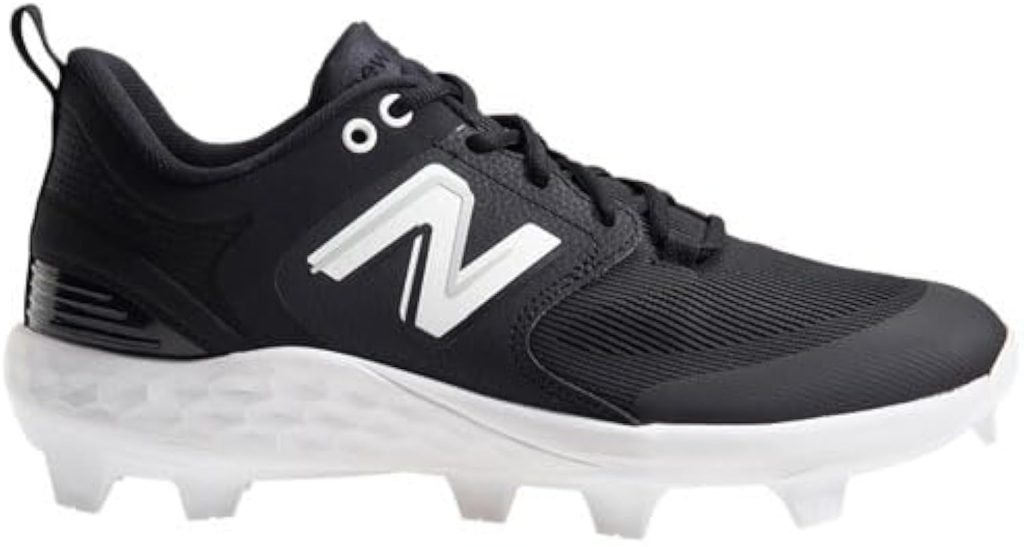
When I first unboxed them, I noticed a clean silhouette and the kind of build that looks more athletic than traditional cleats. The materials felt sturdy yet flexible, and I liked that they didn’t look overly bulky while still appearing supportive.
Immediate Comfort
Putting them on for the first time, I felt a noticeable difference from older, harder baseball shoes I’ve used. The midsole had a softer, more responsive feel right away, which made warmups and short drills more pleasant.

Quick Specs at a Glance
I’ll summarize the key points I cared about when I checked these shoes. This gives a quick reference before I get into the detailed parts of the review.
| Feature | My Notes |
|---|---|
| Model | New Balance Men’s Fresh Foam 3000 V6 Molded Baseball Shoes |
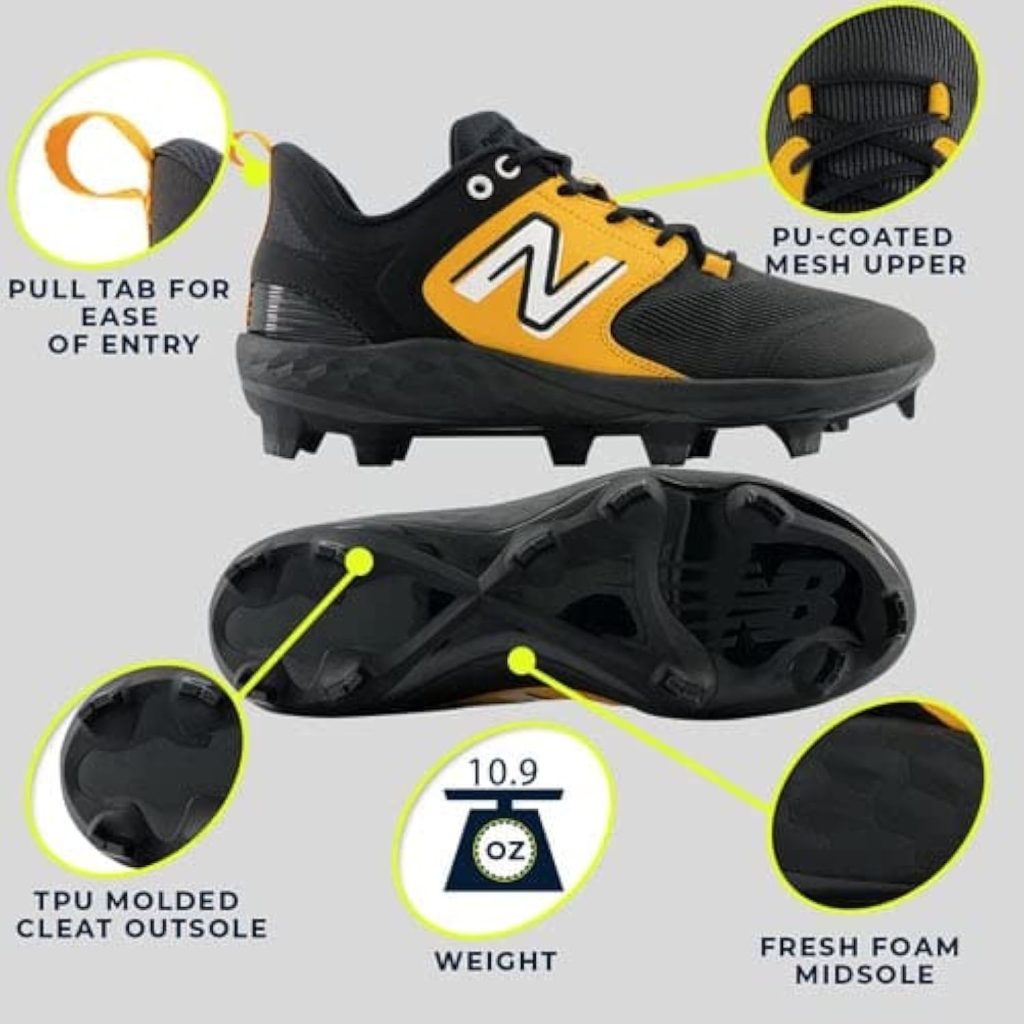
| Cushioning | Fresh Foam midsole for plush underfoot feel and impact absorption |
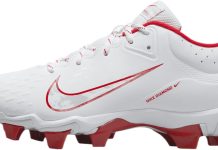
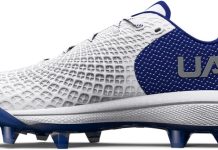
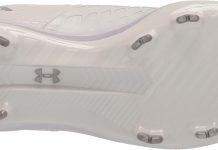
| Outsole | Molded cleat-style outsole designed for turf and natural surfaces |
| Upper | Synthetic and mesh mix for breathability and structure |
| Support | Heel counter and midfoot overlays for stability |
| Weight | Lighter than many traditional molded baseball shoes in the same category |
| Sizing | True to size for me; some may prefer half size variations depending on foot width |
| Best for | Players seeking cushioning-heavy molded baseball shoes for practice and games |
| Durability | Solid for season-long use with proper care |
| Price | Mid-range for performance baseball footwear (varies by retailer) |
What I Liked Most
I want to highlight the standout traits before getting into the negatives and specifics. These are the parts that made me reach for these shoes again for practice and game days.
Plush Cushioning
The Fresh Foam midsole is the main reason I kept coming back to these shoes. It provides a softer landing on each stride without feeling mushy, which reduced the foot fatigue I typically get over long sessions.
Versatile Traction
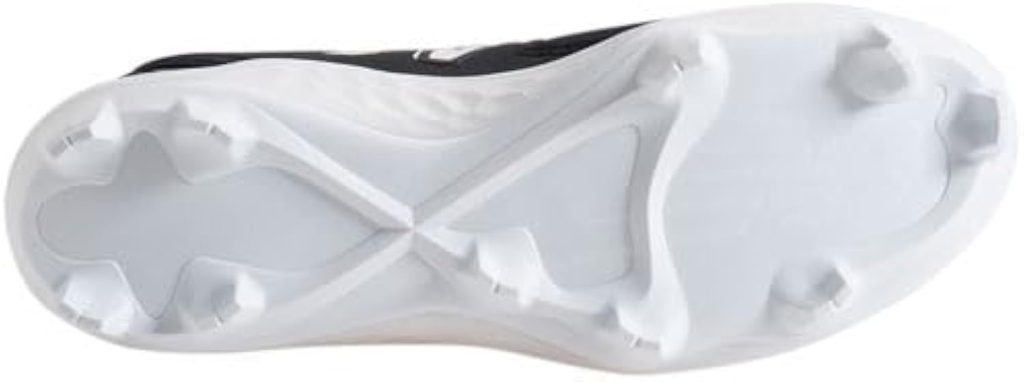
The molded outsole gave me confidence on turf and held up well on firm natural surfaces. I appreciated that I didn’t have to switch shoes for practice versus scrimmages unless the field conditions were extremely wet or muddy.

Comfort and Fit
This is where I pay close attention because an uncomfortable cleat ruins a game for me. I’ll cover how these fit my foot, how they held up over time, and tips if you’re between sizes.
Sizing Notes
I ordered my usual street-shoe size and the fit was generally true to size for me. If you have very wide feet, you might want to try a half size up or look for the wider width option from New Balance, since the midfoot can feel snug at first.
Lockdown and Heel Fit
The heel sits securely in the cup and the lacing system helps dial in midfoot lockdown. I didn’t experience slipping during quick lateral moves, which is essential for infielders and catchers who make rapid direction changes.
Cushioning and Midsole Performance
I pay attention to the midsole on every athletic shoe I try, because it’s the foundation of comfort and energy return. These New Balance shoes put cushioning first.
Fresh Foam Feel
The Fresh Foam midsole offers a soft, springy underfoot experience that made transitions feel less jarring. I noticed reduced soreness after doubleheaders compared to older, less-cushioned molded shoes I used previously.
Impact and Fatigue Reduction
Over consecutive practices, I found that my calves and shins felt less fatigued, suggesting the midsole did a good job absorbing impact. There’s a tangible benefit in recovery when you play frequently, and these helped with that.
Traction and Outsole
Traction is critical to my position-specific play. I need to be able to push off, stop, and change direction without feeling like the shoe is holding me back.
Molded Lugs and Grip
The molded outsole pattern is designed to give multi-directional grip on turf and grass. During base stealing drills and quick turns, I felt secure and confident in my push-offs.
Behavior on Different Surfaces
On dry grass and well-maintained turf, the traction was excellent. In wet or muddy conditions, they were competent but of course not as effective as metal spike cleats; you’ll want specialty footwear for those slippery conditions.
Durability and Construction
I consider how a shoe will perform across a season of regular use. These shoes seemed built to last with a few caveats.
Upper Materials and Wear
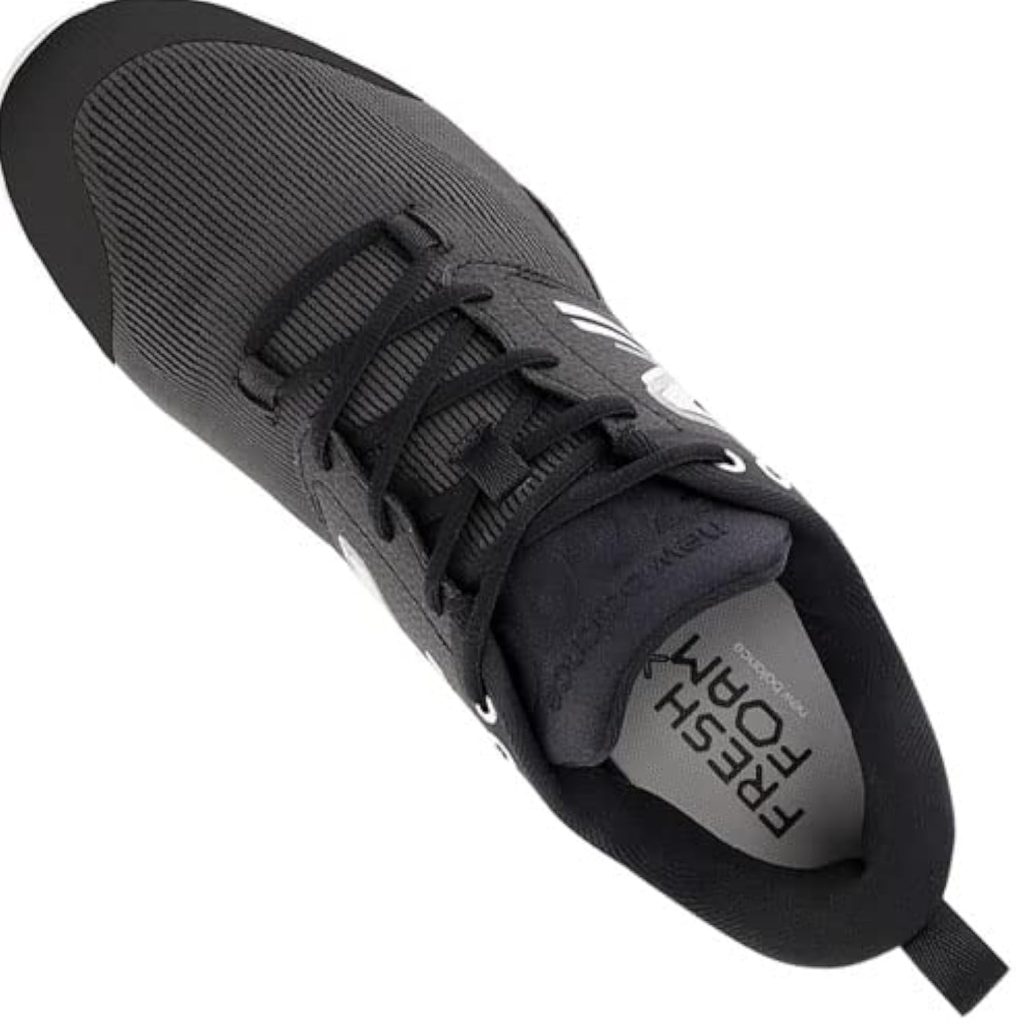
The synthetic and mesh upper resists scuffs and maintained structure after several weeks of practice. The mesh kept my foot fairly ventilated while the overlays handled abrasion reasonably well.
Outsole and Midsole Durability
I didn’t see premature indentations in the midsole and the molded outsole stayed intact across multiple sessions. The wear pattern was even, which speaks to a balanced build.
Break-in Period
Nobody wants to suffer blisters from a new pair of cleats, so I always check how long they take to mold to my feet.
First Few Uses
The shoes were comfortable from the first wear, but I still recommend breaking them in gradually. Short practice sessions for the first few days helped me avoid any hotspot development.
Long-term Fit Changes
After a couple of weeks, the materials softened slightly and the fit felt even more natural. They didn’t stretch excessively, which preserved support without creating looseness.
Breathability and Climate Suitability
How well my feet breathe affects comfort during hot summer games and long practice sessions. I tested these shoes in a range of temperatures.
Ventilation Performance
The mesh panels allow decent airflow so my feet didn’t overheat on warm days. I still used thin athletic socks to help moisture management, which made the experience more comfortable.
Cold Weather Use
In cooler temperatures, the shoes retained a comfortable level of insulation without feeling cold. They’re not winter boots, but they handled autumn and early spring practices without issue.
Support and Stability
I consider any shoe’s stability crucial, especially when making explosive movements. Support is a balance of midsole design, upper fit, and outsole structure.
Lateral Support
The midfoot overlays and heel counter provided reliable lateral support for side-to-side motions. I had no concerns about rolling an ankle during plays that required quick pivots.
Overall Balance
The combination of cushioning and a stable base gave me confidence when sprinting and planting. It’s a well-balanced feel that suits players who need a bit of both comfort and responsiveness.
Style and Aesthetics
While performance matters most, I’m also picky about how my gear looks. These shoes matched my need for a purposeful, sporty look.
Colorways and Design
The model comes in several color options that look modern and athletic. I liked that the design wasn’t overly flashy but still had the New Balance identity.
On-Field Presence
On the field, they don’t draw unnecessary attention but still look professional. That subtle aesthetic works for me when I want functional gear that also looks good.
Who These Are Best For
I think these shoes serve a specific set of needs and players well. I’ll outline who I’d recommend them to, based on my experience.
Ideal Player Types
I recommend them for infielders, utility players, and those who spend many hours at practice and need extra comfort. Players who prefer molded cleats over metal spikes will likely appreciate the balance these shoes provide.
Who Might Want Something Else
If you’re a player who needs aggressive traction in wet or muddy environments, metal cleats or a different outsole might be better. Also, players with very narrow feet may find the fit a touch roomy without socks that add bulk.
Care and Maintenance
Keeping baseball shoes in good shape helps them last and perform at their best. I follow a few simple habits that have extended the life of mine.
Cleaning Routine
I wipe off dirt after practices with a damp cloth and let them air dry away from direct heat. For tougher stains, I use a mild soap solution and rinse lightly before allowing them to dry completely.
Storage Tips
I store them in a breathable bag and avoid sealing them in plastic, which traps moisture and promotes odor. Periodically, I use a light application of disinfectant spray to keep them fresh between uses.
Comparison to Other New Balance Models
I’ve tried other New Balance baseball and turf options, so I can share how this model stacks up with similar shoes I’ve owned.
Compared to Other Fresh Foam Models
The Fresh Foam 3000 V6 has a more baseball-specific outsole and a stiffer upper compared to lifestyle Fresh Foam models. It maintains the signature cushioning but adapts it for performance needs, whereas lifestyle versions prioritize street comfort and flexibility.
Compared to Metal Spike Options
Compared to metal spike cleats, these molded shoes offer more day-long comfort and less pressure on the forefoot. However, they don’t match the maximum grip that metal spikes provide in very soft or muddy conditions.
Sizing Guide and Fit Tips
I want to make sure you get the right fit if you decide to buy these. I’ll share what I did and what worked for me.
My Personal Sizing Experience
I wear a standard size in running shoes and took the same size in these, which fit me well without the need to size up. I suggest trying them on with the socks you’ll actually use during games because that can change the fit slightly.
Tips for People Between Sizes
If you’re between sizes and have wider feet, consider going up a half size or checking New Balance’s wide options. If you prefer a snug, performance fit, your true size may be best, but make sure to test for toe room during sprints and sudden stops.
Value and Price Considerations
Cost matters when you buy gear often. I’ll discuss whether these felt worth the money based on performance and durability.
Cost vs. Performance
Given the cushioning, reasonable durability, and multi-surface traction, I felt the price was fair for a performance baseball shoe. The balance of comfort and on-field function makes them a solid mid-range pick.
Longevity and Investment
If you maintain them and alternate with another pair throughout the season, I believe you can get a full season or longer out of them. That makes the initial price more justifiable compared to cheaper options that wear out faster.
Pros and Cons
I always find a clear pros-and-cons list helpful before making a decision. Here’s how I’d summarize my experience.
Pros
- Fresh Foam cushioning reduces impact and foot fatigue effectively.
- Molded outsole performs well on turf and dry grass.
- Comfortable from early on with a short break-in period.
- Breathable upper keeps feet cooler during long sessions.
- Stable heel and midfoot lockdown for quick lateral movement.
Cons
- Not ideal for muddy or extremely wet conditions compared to metal cleats.
- Might feel snug for wider feet unless opting for a wider width.
- Styling is conservative if you prefer a flashier look.
Buying Tips and Where to Shop
If you decide to purchase, here are the things I’d check for before clicking buy. These are simple steps that helped me land on the right pair.
Shopping Recommendations
Try them on in-store if possible, especially if you’re between sizes or have unique foot dimensions. If buying online, check the return policy so you can exchange sizes without hassle.
Seasonal Sales and Alternatives
I noticed retail and online deals pop up during offseason sales and holiday promotions, which can reduce the price significantly. Consider buying a previous colorway or last-season model during those times to save money.
My On-Field Testing Notes
I spent multiple sessions in these shoes, from batting practice and infield drills to a few pickup games. Here are my specific observations from active play.
Sprinting and Base Running
When I sprinted between bases, the shoes felt responsive and supportive. I didn’t experience slipping or instability during full-speed runs on well-maintained turf and grass.
Fielding and Quick Lateral Movements
During quick lateral shuffles and dives, the midfoot lockdown and outsole kept me planted and prevented ankle rolling. I felt comfortable making aggressive plays without worrying about my footwear holding me back.
Common Questions I Get Asked
People often ask me practical, specific questions before they buy. I’ll answer the ones I heard most while wearing these.
Are they good for all positions?
I’d say they suit most positions, especially infield and utility roles, because of the balance of comfort and traction. Catchers and pitchers who need a bit more heel lockdown might also like them, but outfielders who want maximum traction in soft conditions may prefer metal spikes.
Do they run hot?
They run true to breathability expectations for athletic shoes with mesh panels, so I didn’t find them overly hot. Using moisture-wicking socks helps keep things comfortable during full days on the field.
Final Thoughts and Recommendation
I’ll close with my personal verdict and a concise recommendation based on everything I’ve experienced. This should help you decide if these are the right baseball shoes for you.
My Verdict
Overall, I recommend the New Balance Men’s Fresh Foam 3000 V6 Molded Baseball Shoes to players who want a comfortable, cushioned molded option for regular practice and game use. They offer a strong mix of Fresh Foam comfort, reliable traction on common playing surfaces, and durability that holds up across a season.
Who Should Buy Them
Buy them if you value midsole comfort and multi-surface performance in a molded cleat. If you play frequently, need extra cushioning, and don’t require metal spikes for very muddy fields, these will serve you well.
If you want any specific comparisons—such as how they stack up against a particular metal-spike model or another brand—ask and I’ll share my hands-on thoughts.

Disclosure: As an Amazon Associate, I earn from qualifying purchases.