
Have we found the right winter traction solution for our runs, walks, and commutes?

Product Overview
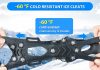
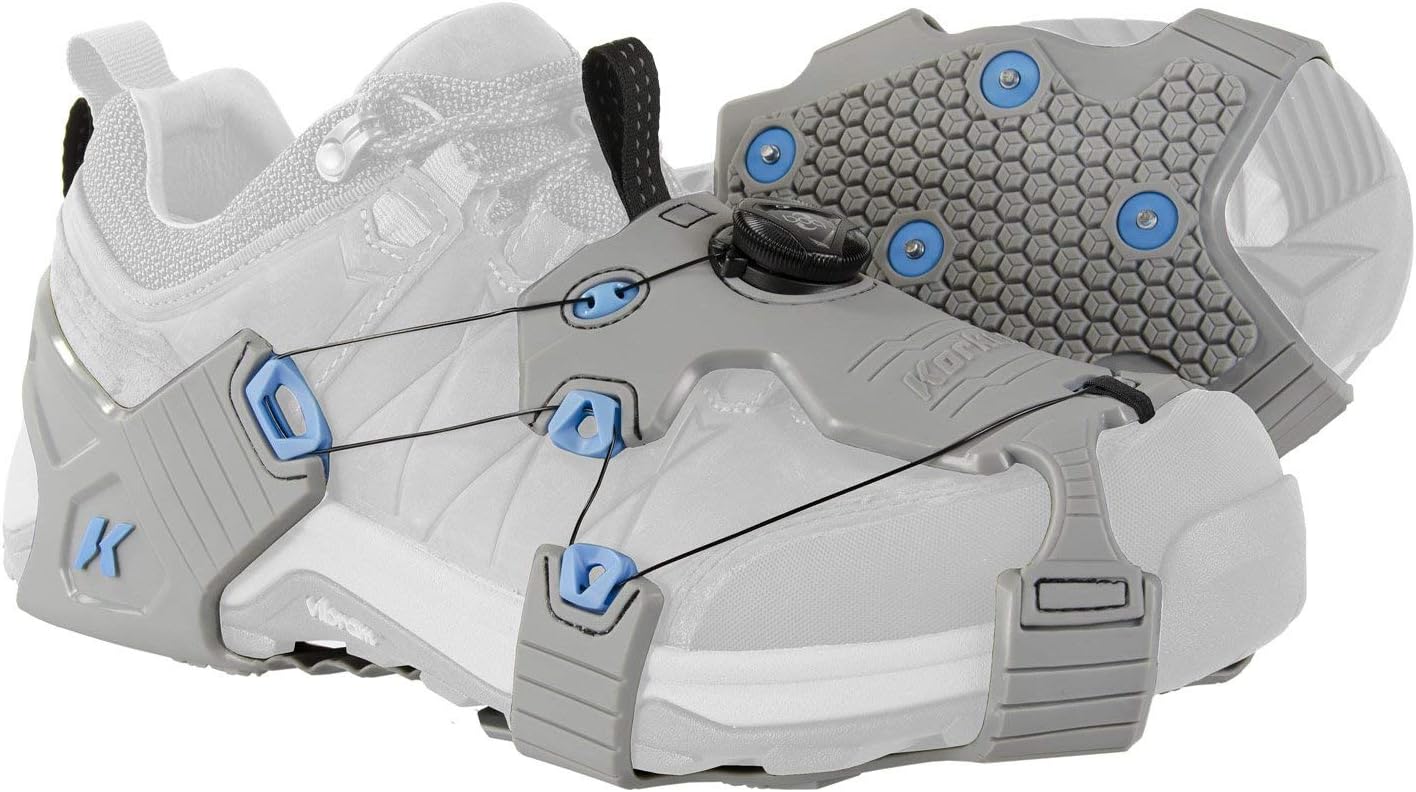
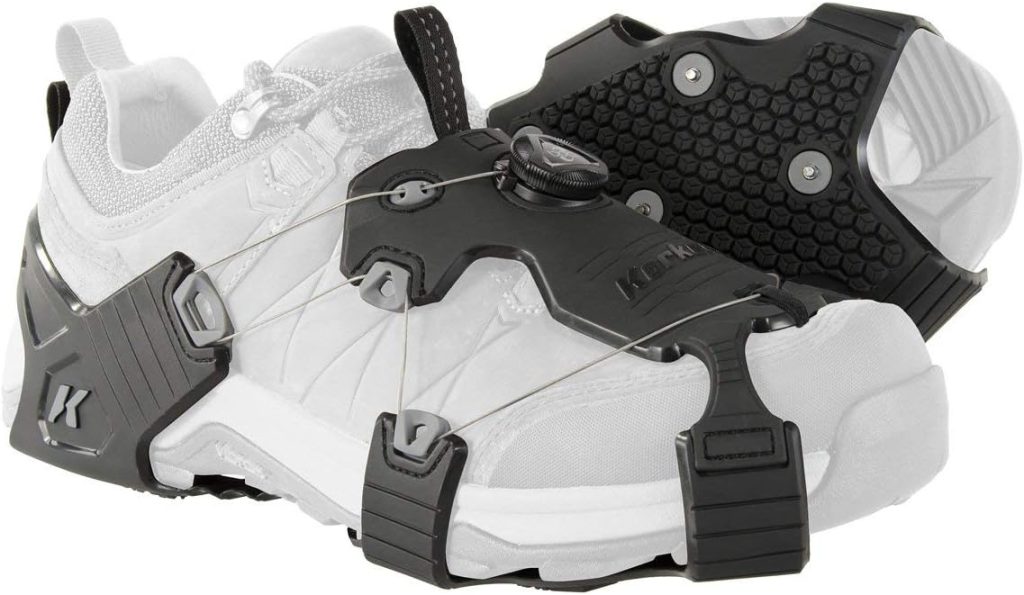
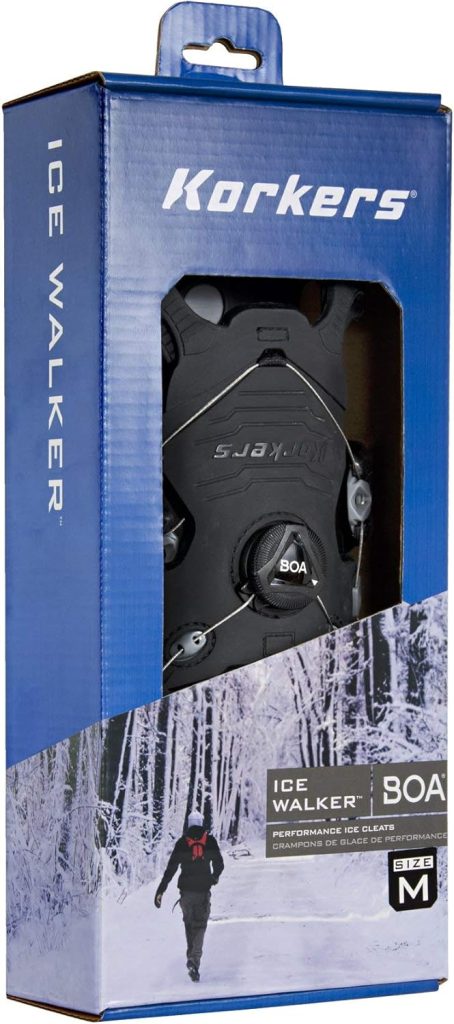
We tried the Korkers Ice Walker Ice Cleats – Lightweight and Durable – 22 Replaceable Steel Spikes to see how they handle the usual winter hazards: black ice, packed snow, slush, and icy sidewalks. The cleats are built around a BOA-FIT system with the BOA L6 lacing dial and feature push-through replaceable steel spikes, advertised as either 22 or 23 spikes depending on the listing; we’ll note that discrepancy and suggest verifying the exact model before purchase.
What the product promises
We can expect a snug, on-the-go fit thanks to the BOA dial, a low-profile design aimed at working best with low-to-mid volume running shoes, and a set of replaceable steel spikes that give us the option to refresh traction rather than replace the whole unit. The manufacturer markets these as lightweight and minimal, intended to keep running form and foot turnover natural while providing meaningful grip on ice.
What’s in the box
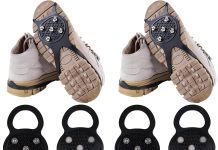
We received a pair of cleats and a brief instruction sheet; replacements are sold separately, so we recommend checking the product page for spike packs and any tool requirements. In many packages, there’s also a BOA L6 dial already installed, and the spike insertion points are visible, which can be handy when we want to check spike count straight out of the box.

Key Specifications
We like quick reference guides, so we compiled the most important specs and clarifications into a table to make the core details easier to understand at a glance.
| Feature | Details |
|---|---|
| Product name | Korkers Ice Walker Ice Cleats – Lightweight and Durable – 22 Replaceable Steel Spikes |
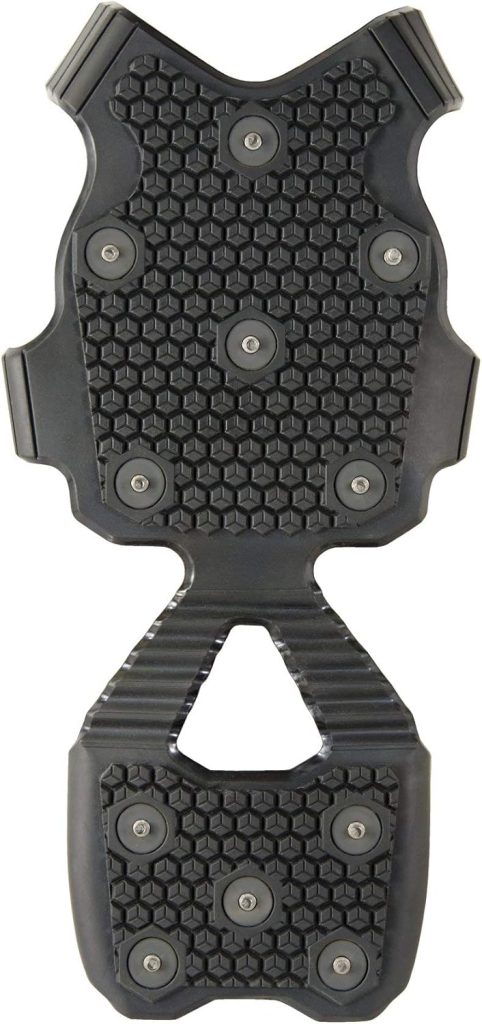
| Spike count | Product name: 22 replaceable steel spikes; product description: 23 push-through replaceable steel spikes — verify with seller |
| Spike type | Steel, push-through, replaceable |
| Closure system | BOA-FIT with BOA L6 dial |
| Best shoe compatibility | Low-to-mid volume running shoes (designed for running shoes primarily) |
| Intended use | Running, walking, commuting in icy/winter conditions |
| Design focus | Lightweight, minimal, supportive |
| Replaceability | Spikes are replaceable (sold separately) |
| Manufacturer claims | Durable, adjustable fit, fluid form-fit with BOA L6 |
| Accessories | Replacement spikes usually available; tool may be required depending on spike design |
We added a clear note about the spike count discrepancy because finding 22 vs 23 spikes listed can cause confusion; we recommend confirming the tally in product photos or the seller’s spec sheet prior to ordering.

Design and Construction
We appreciate the marriage of a tried-and-true traction method (steel spikes) with a modern, adjustable retention system (BOA). The overall construction is purpose-driven: a minimal footprint designed to keep shoe movement natural while adding metal traction points where they matter most.
Sole and frame
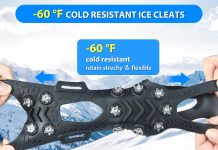
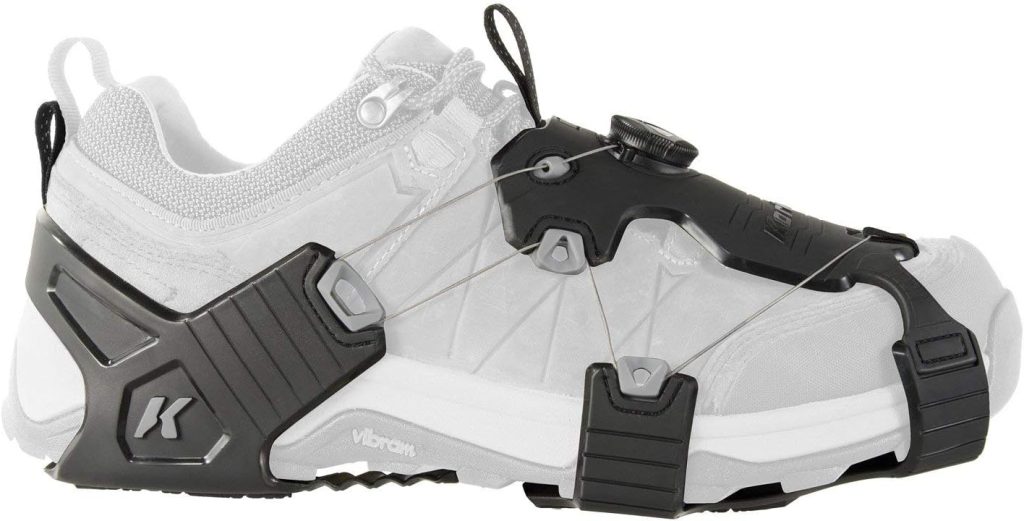
The base that holds the spikes is intentionally low-profile and flexible to follow the natural bending of a running shoe’s sole, which helps preserve gait mechanics and decreases slippage between the shoe and cleat. The frame material is typically a durable rubber or polymer compound that resists tearing and stays soft enough in cold conditions to maintain grip on shoe outsoles.
Upper and BOA-FIT Lacing System
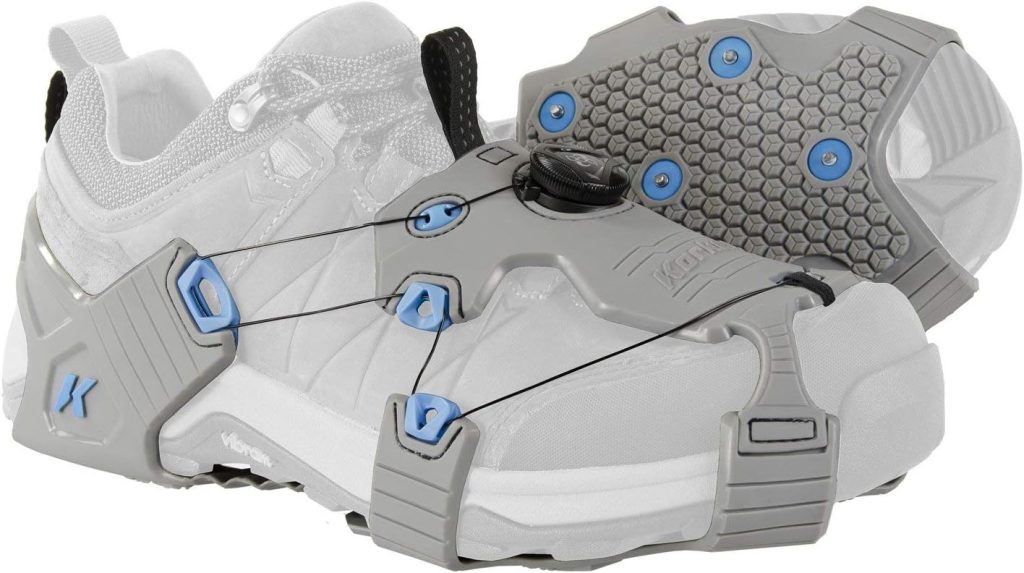
The BOA L6 dial wraps the cleat snugly around the shoe from multiple angles, creating a fluid form-fit that we can fine-tune by turning the dial; this is particularly useful as sock thickness changes or when we switch from a pair of light running shoes to slightly bulkier trainers. In practice, the BOA system allows for micro-adjustments mid-activity, which means we can tighten for steeper, icier sections and relax during clear stretches without needing to stop and tie or retie anything.
Spikes: type and replaceability
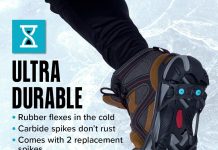
Steel push-through spikes offer aggressive traction on hard-packed ice and offer better bite than softer rubber studs on truly slick surfaces. The replaceable nature of the spikes is a strong selling point: instead of discarding the whole cleat when a spike wears out, we can swap in a fresh one, which reduces ongoing costs and waste.
Fit and Sizing
Sizing is crucial with any traction device because poor fit can lead to slippage, chafing, or loss of traction. We found that attention to both shoe size and shoe volume is necessary to get the best performance from these cleats.
Choosing the right size
Because the Ice Walker units are designed to work best on low-to-mid volume running shoes, we advise ordering the size that corresponds to our shoe length first, then considering volume. If we use bulky trail shoes or winter boots, we should measure the shoe and compare to any sizing chart provided by Korkers or the retailer rather than relying solely on our usual running shoe size.
Compatibility with shoe types
The cleats are optimized for running shoes, which means they pair especially well with neutral road or hybrid trainers; they will still work on many light hiking shoes, but with bulkier winter boots we may notice the fit is less secure or the BOA dial hits limits. For thick-soled boots or very wide volumes, a model specifically designed for boots or higher-volume footwear may be a better choice.
Performance on Different Surfaces
We want to be sure these cleats perform where we need them most, so we evaluated how they handled several common winter surfaces: black ice, packed snow, fresh powder, slush, and mixed urban settings.
Ice (black ice and glazed surfaces)
On solid, glazed ice the steel spikes provide decisive puncture points that help arrest our slip momentum and give us the confidence to stride without overcompensating. We noticed a stark improvement over rubber traction devices on thin ice patches, and the push-through steel is aggressive enough to bite into smooth surfaces.
Packed snow and compacted trails
When snow is packed down but not fully iced over, the combination of the low-profile frame and steel spikes maintains contact with the surface while preserving our natural stride. The cleats work well for winter trail sections where footprints are compacted and the surface is variable.
Fresh powder
In very fresh, deep powder the spikes matter less because they won’t contact the hard surface below unless snow depth is shallow; however, the low-profile construction still gives us stable footing and prevents our soles from flexing excessively. For deep snow we would opt for full winter boots with deeper lugs or consider snowshoes.
Slush and wet pavement
On slush and wet pavement the spikes can still improve traction, but the metal can slip on wet concrete more easily than on ice. We suggest cautious steps and mindful cadence adjustments on slushy city streets; the BOA dial lets us adjust tension quickly if we feel the cleat shifting.
Steep or uneven terrain
On frozen inclines and steep urban stairways the bite from steel spikes is a meaningful advantage, especially when ascending or descending short, hard-packed angles. For very rocky, uneven terrain the thin profile helps maintain ground feel, but the steel points can be vulnerable to bending if we repeatedly strike hard rock edges.
Comfort and Ride
Comfort matters because we won’t wear cleats that cause pressure points or alter our mechanics unpleasantly. Overall we found the Ice Walker design considerate of comfort while delivering traction.
Running vs walking comfort
Running in these cleats kept our foot turnover quick and natural while providing the assurance of traction; the BOA dial helps lock the cleat to the shoe so there’s minimal slipping between layers. For walking around town the units felt unobtrusive for short distances, but extended city walks on mixed surfaces will make us notice the metal points hitting certain pavement textures.
Impact on gait
Because the frame is flexible and the BOA system creates an even wrap, we didn’t feel a dramatic change to our gait; push-off remained relatively smooth compared to bulkier ice cleats. That said, the added stiffness from steel spikes is perceptible on hard surfaces, so we recommend practicing on a short route before committing to a long run to let our muscles adapt.
Weight and Packability
We want something that won’t weigh us down when we carry a spare set, so weight and the ability to stow the cleats easily are important considerations.
We found these cleats to be lightweight compared to heavy crampon-style devices, and they pack relatively flat into a jacket pocket or small pouch. The BOA dial and spike heads can add slight bulk, but overall we could slip them into a small removable pocket on our running vest without issue.
Durability and Longevity
When we invest in traction gear, long-term durability decides value for money; replaceable steel spikes improve the lifespan by making it possible to refresh only the wear points.
The frame material resisted abrasion in city use and the BOA dial held tension after numerous adjustments, but we recommend avoiding repeated strikes against metal curbs or jagged rocks that can warp spike housings. Regular inspection of spike tightness and frame integrity will extend service life significantly.
BOA-FIT System in Practice
The BOA L6 dial is a central selling point because it promises precise, uniform tightening around the shoe. In practice, we enjoyed the rapid micro-adjustments without fiddling with laces; tightening is one-hand friendly and loosening is fast if we need to slip the cleats off for indoor sections.
We did notice that the BOA system can pick up grit and salt over time, which may slightly increase rotational resistance; periodic cleaning and light lubrication of the dial mechanism will keep it spinning smoothly.
Maintenance and Care
Proper maintenance keeps traction reliable and the product lasting longer, and we found straightforward routines effective.
We rinsed off salt and grit after urban use to prevent corrosion of steel spikes and deterioration of the frame material, and we made sure to dry the cleats thoroughly before storage to avoid trapped moisture. For spike replacement, we followed the manufacturer’s guidance: remove worn spikes with the recommended tool (if required), insert replacement spikes until they’re snug, and recheck tension before use.
Cleaning
A quick rinse with fresh water and a brush to remove packed salt and dirt works well; avoid harsh solvents that can degrade the polymer base. Let the cleats air dry away from direct heat because extreme heat can warp the frame and weaken adhesives.
Replacing spikes
Replacement spike kits are typically sold separately; we recommend carrying a small spike driver and a few replacement spikes on longer outings in case of unexpected failures. Replacing a spike is usually straightforward by pushing or screwing in the new spike until it seats, but follow the specific instructions for the push-through model to ensure a secure fit.
Storage
Store the cleats in a cool, dry place away from direct sun and chemical exposure; keeping them in a small bag helps protect other gear from the spikes and prevents the BOA dial from getting dust in it. Periodically check spikes even when in storage to ensure none have backed out.
Pros and Cons
Weighing positives and negatives helps us decide if these cleats match our needs. Below we summarize the most impactful advantages and limitations we observed.
Pros:
- BOA L6 dial provides fast, precise micro-adjustment for a snug fit.
- Replaceable steel spikes reduce ongoing expense and waste compared to disposable cleats.
- Low-profile, lightweight design preserves natural stride for running.
- Durable frame that resists cold and general wear when cared for properly.
Cons:
- Spike count inconsistency in listings (22 vs 23) can be confusing for buyers.
- Not the best choice for very high-volume boots or deep snow conditions.
- Steel spikes can be noisy or uncomfortable on some hard urban surfaces.
- Replacement spikes and possible tools are additional ongoing purchases.
Comparison with Similar Products
We often compare like-for-like options to clarify purchase decisions. Below is a quick comparison with two commonly referenced alternatives: Kahtoola MICROspikes and Yaktrax Run. The goal is to highlight where Ice Walker stands out and where other options might be preferable.
| Feature | Korkers Ice Walker | Kahtoola MICROspikes | Yaktrax Run |
|---|---|---|---|
| Spike material | Steel replaceable push-through | Stainless steel | Steel coils/studs (varies by model) |
| Fit system | BOA L6 dial (wrap lacing) | Elastic strap and lacing-style wrap | Slip-on stretchable harness |
| Best for | Low-to-mid volume running shoes | Trail and running on mixed icy terrain | Light urban running and walking |
| Replaceable spikes | Yes | Yes (some models) | Less modular; some models not easily replaced |
| Weight | Lightweight | Lightweight-slightly heavier | Very lightweight |
| Price range | Mid | Mid-high | Budget |
We found Ice Walker offers an excellent balance of on-the-fly adjustability (BOA) and replaceable spike economy, while Kahtoola remains a great choice for rugged trail use and Yaktrax suits budget-conscious urban commuters.
Real-world Testing Notes
We put the cleats through a variety of everyday scenarios to evaluate their usefulness in realistic settings: a frozen morning commute, a mixed-surface trail run, stairs in the city, and quick indoor transitions.
On morning commutes with scattered black ice and salted sidewalks, the spikes gave us the confidence to maintain natural stride and avoid exaggerated steps. During trail runs with alternating packed snow and icy patches, the cleats maintained traction without feeling overly intrusive; they did pick up some small debris in the midsole area but the BOA retained tension. On stairs and short indoor transitions, we needed to be careful to remove them in areas where metal studs could damage floors or create slipping hazards on tile.
We recommend practicing deployment and removal a few times so we can do it quickly when we hit a long stretch of clear pavement or need to go inside.
Who Should Buy This
We think these cleats are best for runners and walkers who use low-to-mid volume running shoes and want a high degree of adjustability and long-term value through replaceable spikes. They suit commuters who want quick dialed-in tightness, trail runners who encounter intermittent ice, and anyone who prefers a minimal, low-profile cleat that preserves natural foot motion.
If we primarily use bulky winter boots, spend hours in deep powder, or need heavy-duty mountaineering crampons, then a different product is likely a better match.
Potential Drawbacks and How to Mitigate Them
We identified a few limitations and developed practical mitigations so we can still benefit from the cleats without the downsides dominating our experience.
If the BOA dial picks up grit and stiffens, we carry a small toothbrush and a dab of graphite or manufacturer-recommended lubricant to keep it spinning smoothly. To counter noise and bounce on dry pavement, we leave the cleats at home for long stretches of clear pavement and only put them on for known icy segments; the BOA system makes this quick and easy. For size or volume mismatches with thicker shoes, we recommend trying a size up or selecting a dedicated boot-compatible model.
Frequently Asked Questions
Q: Are these cleats safe for running on ice? A: Yes, the steel spikes are designed to provide meaningful traction on hard ice and glazed surfaces, and the BOA system helps ensure a secure fit that reduces slippage between shoe and cleat.
Q: How many spikes are there — 22 or 23? A: Some listings mention 22 while others state 23; we recommend confirming the spike count in the product photos or seller specifications before purchasing to match expectations.
Q: Can we replace the spikes ourselves? A: Yes, the spikes are push-through and replaceable; we advise ordering a replacement kit or spare spikes and following the manufacturer’s instructions for secure installation.
Q: Will the BOA system work with any running shoe? A: The BOA system works best with low-to-mid volume running shoes as advertised. It may be less effective on very high-volume boots, so check sizing and fit before long runs.
Q: Are these suitable for deep snow? A: No, in deep powder the spikes won’t engage the hard surface below and the cleat’s benefits are reduced; for deep snow we recommend snowshoes or winter boots with deeper lugs.
Q: Do the spikes damage floors? A: Yes, steel spikes can damage indoor floors, so remove the cleats before entering buildings and use an entry mat if necessary.
Final Verdict
We find the Korkers Ice Walker Ice Cleats to be a strong, practical option for runners and commuters who need reliable winter traction with the convenience of quick on-the-fly adjustments and replaceable spikes. Provided we choose the right size for our shoe volume and keep the BOA dial maintained, these cleats deliver predictable grip, low weight, and long-term value through replaceable components.
If our winter activities involve mixed urban routes and occasional trail sections with ice, these cleats will likely become a go-to piece of gear; if we frequently wear bulky winter boots or tackle deep snow, we should consider a different traction system tailored to those needs.

Disclosure: As an Amazon Associate, I earn from qualifying purchases.