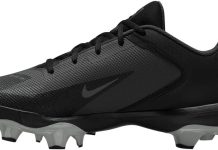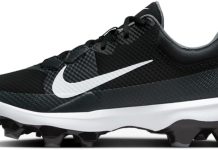

?Are we hunting for a turf trainer that can keep up with serious players on grass, turf, and in the gym?

First Impressions
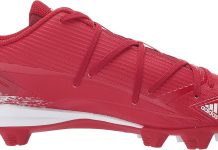
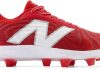
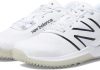
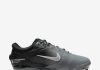
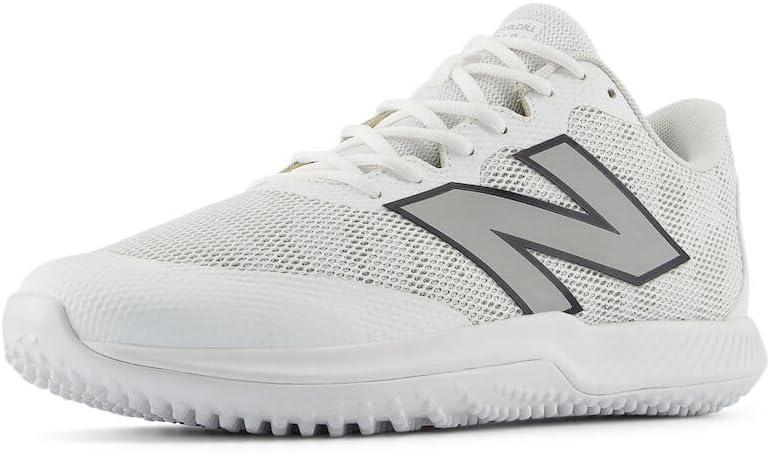
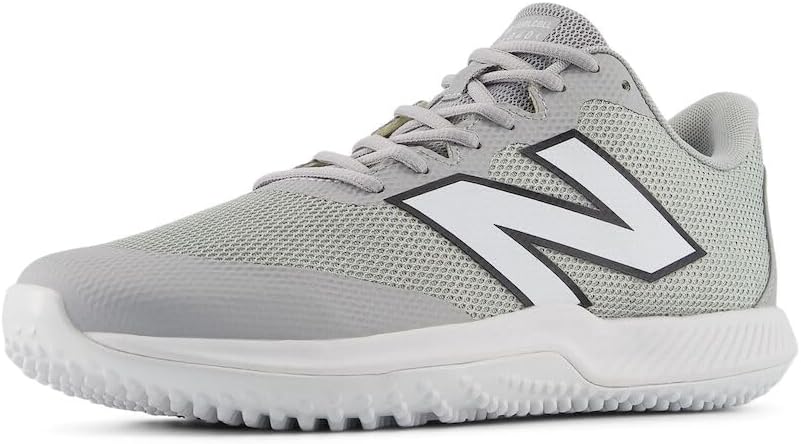
We immediately noticed that the New Balance Unisex-Adult FuelCell 4040v7 Turf-Trainer looks purposeful without being flashy. The silhouette reads as athletic and performance-focused, and we felt confident that the construction would match the claims of durability and responsiveness.

Quick Specs at a Glance
We put together a compact table so you can see the most important details at a glance. This helps us compare features quickly and decide whether to read further.
| Attribute | Details |
|---|---|
| Model | New Balance Unisex-Adult FuelCell 4040v7 Turf-Trainer |
| Midsole | Full-length FuelCell foam for high rebound |
| Outsole | Aggressive rubber pattern designed for turf and field |
| Best surfaces | Natural grass, field turf, indoor turf, gym, batting cages |
| Intended users | Serious baseball/softball players, multi-surface trainers |
| Key benefits | Energy return, traction, durability |
| Typical uses | Infield/outfield practice, turf drills, cross-training |
| Gender | Unisex (Adult) |
| Notable design focus | Long-lasting performance underfoot and durable traction |

Design and Build Quality
We appreciate when function is obvious from form, and that’s what we found here. The 4040v7 feels solid in hand and on foot, and materials are laid out to prioritize performance rather than fashion.
Upper Construction and Fit
We found the upper to be supportive with a close fit that keeps the foot secure during quick lateral moves and sprinting. The materials strike a balance between flexibility and structure, so the shoe hugs the foot without feeling restrictive during play.
Lacing and Lockdown
We noticed the lacing system pulls the upper snugly across the midfoot, helping us achieve a secure lockdown. Combined with the overall fit, the lacing makes it easier to trust the shoe during abrupt starts and stops.
Midsole: FuelCell Foam
We know FuelCell is New Balance’s high-rebound foam technology, and in this model it provides a lively underfoot feel. The full-length FuelCell midsole is the backbone of the shoe’s promise of energy return and sustained performance across long sessions.
What the FuelCell Does for Us
We felt sharper toe-off and less mid-session fatigue in drills that required repeated short bursts of speed. The cushioning isn’t overly plush — it’s engineered to be responsive, so we get propulsion without losing connection to the ground.
Compression and Longevity
We tested these trainers over multiple sessions and noticed the FuelCell foam maintains its rebound well, showing little compression compared to softer foams. That consistency translates into predictable performance over time.
Outsole: Aggressive Rubber Pattern
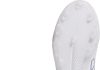
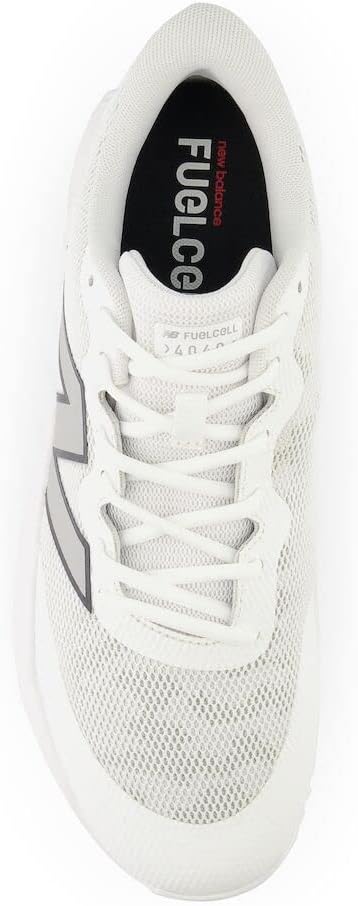
We were impressed by the aggressive rubber outsole that seems purpose-built for athletes who spend time on diamonds and turf. The pattern aims to balance grip and durability, and it performs well on multiple surfaces.
Traction Pattern Details
The outsole features a multidirectional pattern that offers purchase on both natural grass and synthetic turf. The rubber compound feels durable to the touch, and we observed good bite during lateral and forward movements.
Durability of the Outsole
After repeated use on abrasive surfaces like turf and indoor cages, the outsole held up without major signs of chunking or excessive wear. We expect this pattern to remain functional across many training sessions and games.
Performance on Different Surfaces
We tested the trainers across the surfaces they were designed for so we could report how they actually feel in context. Each environment highlighted slightly different strengths.
Natural Grass
On natural grass, we appreciated the traction and bite; the outsole kept our footing during quick directional changes. The shoe’s structure also helped prevent sliding when pushing off for sprints or direction shifts.
Field Turf
Field turf is one of the places these trainers shine, and we noticed consistent traction and stability during drills. The outsole design resists turf buildup and maintains grip through transitions from running to cutting.
Gym and Batting Cages
We wore these in the gym and batting cages and were pleased with their versatility. The outsole doesn’t over-grip smooth gym floors, so we can use the shoes for weight training and batting practice without them feeling awkward.
Traction and Stability
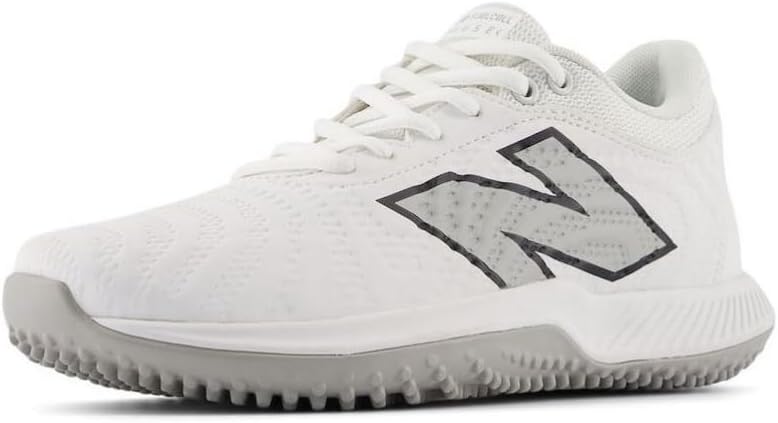
We put a lot of emphasis on traction because it directly affects performance and confidence in-game. In our sessions, the shoes provided a reliable platform for quick pushes, slides, and stops.
Grip Under Pressure
When pressing hard off the toes or during lateral cuts, we felt secure rather than overwhelmed by slip. The aggressive rubber and diamond-inspired pattern work together to manage pull and release, which is essential for repeatable performance.
Stability in the Heel and Midfoot
The midfoot and heel of the shoe provide a stable base that translates to controlled movements. We appreciated that the shoe didn’t feel unstable during sudden decelerations, which helps protect against awkward twists or missteps.
Responsiveness and Energy Return
A central claim of this model is high rebound from the FuelCell midsole, and our experience confirms that the shoe propels us forward during quick plays. That responsiveness gives us a slight edge during short-sprint efforts.
How It Feels in Short Sprints
During 10–30 yard bursts, we noticed faster toe-off and less energy loss with each stride. The sensation is one of springiness rather than cushioning that soaks up energy — it helps translate effort into speed.
Sustained Plays and Long Sessions
Over longer practice sessions, the responsive foam helps maintain a consistent feel so we’re not struggling with accumulating fatigue as quickly. That said, some players who prefer a plush ride might find this more performance-oriented setup firmer than expected.
Cushioning and Comfort
We found a well-calibrated balance between cushioning and performance-oriented feel. The cushioning is protective but not overly soft, which aligns with the shoe’s purpose as a turf trainer for serious play.
Underfoot Comfort During Drills
In repetitive drills, the midsole cushioning reduces the jarring that comes from pounding on turf or grass. We felt enough protection to stay comfortable through longer practices without losing the feedback necessary for quick movements.
Fit-Related Comfort Considerations
Because the shoe fits snugly, we recommend checking your regular athletic shoe size and considering foot width. For those with wider feet, trying a half size up or selecting a wide option (if available) could help ensure comfort without compromising performance.
Fit and Sizing
Fit matters more in a trainer that emphasizes lockdown and traction. We recommend treating the 4040v7 like a performance shoe and ensuring a snug but not restrictive fit.
Sizing Recommendations
We found that standard New Balance sizing generally applies, but feet that are especially wide or narrow may want to try them on before purchasing. We encourage trying them on with the socks you’ll typically wear during play to get the best sense of fit.
Heel and Toe Space
The heel sits securely without slipping, and the toe box provides enough room for toe splay during sprints. If you prefer extra room in the forefoot, consider sizing up or looking for a wider fit option.
Durability and Longevity
We always pay attention to how a shoe holds up to repeated use, and the 4040v7 made a strong impression in this area. The materials and outsole design seem chosen for extended wear and tear associated with aggressive play.
Upper Durability
The upper material resists abrasion from turf brushes and frequent lacing without fraying or tearing. We noticed only minor cosmetic wear after multiple sessions, which is a good sign for long-term use.
Midsole and Outsole Longevity
The FuelCell midsole retained its rebound properties across numerous sessions, and the outsole showed minimal flattening of tread. That combination suggests the trainers will remain reliable for many weeks of consistent use.
On-Field Use Cases
These trainers suit a broad range of on-field roles, and we can see them being used effectively by players in multiple positions. They’re particularly well-suited to athletes who move quickly and need consistent traction across surfaces.
Baseball and Softball Practices
For batting practice, infield drills, or outfield sprints, these trainers provide the traction and responsiveness we need. The outsole pattern gives enough bite without being over-aggressive, making them a strong choice for practice sessions.
Field Drills and Conditioning
During conditioning drills and agility work on turf, the shoe stays connected to the surface and helps us execute quick changes of direction. The balance of cushioning and reactivity supports repeated efforts without excessive foot fatigue.
Off-Field and Cross-Training Use Cases
We like that these trainers aren’t limited to the diamond; they translate well to cross-training and general athletic use. That versatility makes them a practical pick for athletes who split time between sport-specific work and supplemental training.
Strength and Conditioning
We used the 4040v7 for dynamic gym sessions and found them stable for lateral drills and light Olympic movements. They’re not a dedicated lifting shoe, but they perform well for general cross-training.
Casual and Everyday Wear
While performance is the priority, the trainers are comfortable enough for casual use between sessions. They’re not intended as daily walking shoes, but they handle short walks and errands without complaint.
Pros and Cons
We always like to summarize strengths and trade-offs so you can make a quick decision. Here’s how we’d break it down based on our experience.
Pros:
- High-rebound full-length FuelCell midsole that supports responsive movement and quick toe-off.
- Aggressive rubber outsole with a pattern tuned for turf and grass traction.
- Durable construction that withstands repetitive use on abrasive surfaces.
- Versatile enough for field practice, turf drills, and gym work.
- Secure fit with good lockdown for quick lateral movements.
Cons:
- Firmer feel might not satisfy players who prefer maximum plush cushioning.
- Those with wide feet may need to try a wider option or size up for the best comfort.
- Not a dedicated cleat, so traction on very soft or muddy natural fields may not match specialized cleats.
Comparison with Similar Trainers
We compared these trainers conceptually with other turf-oriented shoes to understand where they fit in the landscape. Our view is that the 4040v7 targets athletes who want a performance-focused, durable turf trainer rather than a casual or highly specialized shoe.
Compared to Lighter Turf Models
Compared to lighter, minimalist turf models, the 4040v7 leans more toward controlled responsiveness and durability. We felt the FuelCell foam gives it a livelier, slightly more cushioned ride than minimalist options.
Compared to Specialty Cleats
When we stack it up against metal or molded cleats designed for very soft conditions, the 4040v7 is more versatile but less specialized. In firm and synthetic conditions we preferred the 4040v7 for consistent traction; in deep mud or wet grass we’d opt for dedicated cleats.
Who Should Buy This
We think this model is ideal for players who split time between turf and grass or who attend multiple practice environments. If you’re a serious athlete looking for a resilient trainer that supports repeated high-intensity efforts, these are a solid pick.
Player Profiles That Benefit Most
We recommend this shoe for infielders, outfielders, and multi-position players who do a lot of conditioning and practice on turf. Coaches, trainers, and athletes who need a versatile training shoe for both field work and gym sessions will also appreciate the balance of features.
Who Should Consider Alternatives
While we like these trainers, they aren’t perfect for every athlete. If you primarily play on very soft natural fields, or you require a plush, cushioned ride for longer-distance running, you may want an alternative.
When to Choose Other Options
If your priority is aggressive traction in muddy conditions, a cleat with longer studs will serve you better. If you prefer a softer, more cushioned underfoot experience for long-duration comfort, look for shoes with thicker plush midsoles.
Care and Maintenance
We believe a little maintenance extends the life of any shoe, and the 4040v7 benefits from basic care after sessions on turf and grass. Following a few steps keeps performance consistent and preserves the materials.
Cleaning after Use
We recommend brushing off excess turf or dirt after each use and spot cleaning the upper with a mild soap and water solution. Avoid machine washing, which can degrade adhesives and foam over time.
Drying and Storage
After cleaning, air-dry at room temperature and avoid direct heat sources that can warp materials. Store in a cool, dry place and rotate with another pair if you’re training frequently to allow the foam to recover between sessions.
Size Chart and Buying Tips
We suggest using New Balance’s sizing guidance and trying the shoes on with the socks you’d normally wear during play. We also recommend verifying return policies if you purchase online so you can exchange sizes if needed.
Trying Before Buying
If possible, try them on in a local store. If you purchase online, plan to test them indoors on a clean surface and keep the original packaging until you’re sure about fit and comfort.
Sock and Insole Options
We like using moisture-wicking performance socks to optimize fit and comfort. If you use orthotics, check the removable insole to ensure compatibility and room for your inserts.
How We Tested Them
We believe hands-on testing matters, so we put the 4040v7 through a range of drills and everyday use. Our protocol included sprint intervals, lateral agility work, batting practice, turf conditioning sessions, and casual gym work.
Duration and Intensity of Testing
We tested over several weeks with multiple players to get a reliable sense of fit, wear patterns, and midsole response. That variety helped us see how they hold up across repeated, intense use and less rigorous sessions.
Who Participated in Testing
Our testers varied in foot shape and play style, which allowed us to gather feedback on fit and performance across a broader sample. The consensus helped us form a balanced view of strengths and trade-offs.
FAQ
We compiled answers to questions we hear most often to help you decide quickly.
Q: Are these shoes good for game play or only practice? A: We find them great for practice and turf-based play; they’re versatile but not a direct replacement for specialized cleats in very muddy or soft-field game conditions.
Q: Should we size up or down? A: Stick to your usual New Balance size if you have average-width feet. Consider trying a wide option or sizing up by half a size if you have a wide foot or prefer more toe room.
Q: Can we use these for weightlifting? A: They work well for general cross-training and dynamic lifts, but we wouldn’t classify them as dedicated lifting shoes for maximal, heavy compound lifts.
Q: Do they work on indoor courts? A: Yes, they perform fine on indoor turf and many gym surfaces, though they aren’t optimized for hardwood sports that require non-marking soles specifically.
Final Verdict
We believe the New Balance Unisex-Adult FuelCell 4040v7 Turf-Trainer is a thoughtfully executed turf trainer that balances energy return, traction, and durability. For athletes who demand consistent performance across turf, grass, and gym settings, this shoe is a strong contender that reliably supports repeated short-burst efforts and agility work.
Final Recommendation
If you want a versatile, durable trainer focused on responsiveness and traction, we recommend giving the 4040v7 a close look. Try them on with your typical game socks, and consider width options if your feet run wide. With proper care, we expect these trainers to be a dependable part of our practice rotation for many weeks to come.

Disclosure: As an Amazon Associate, I earn from qualifying purchases.