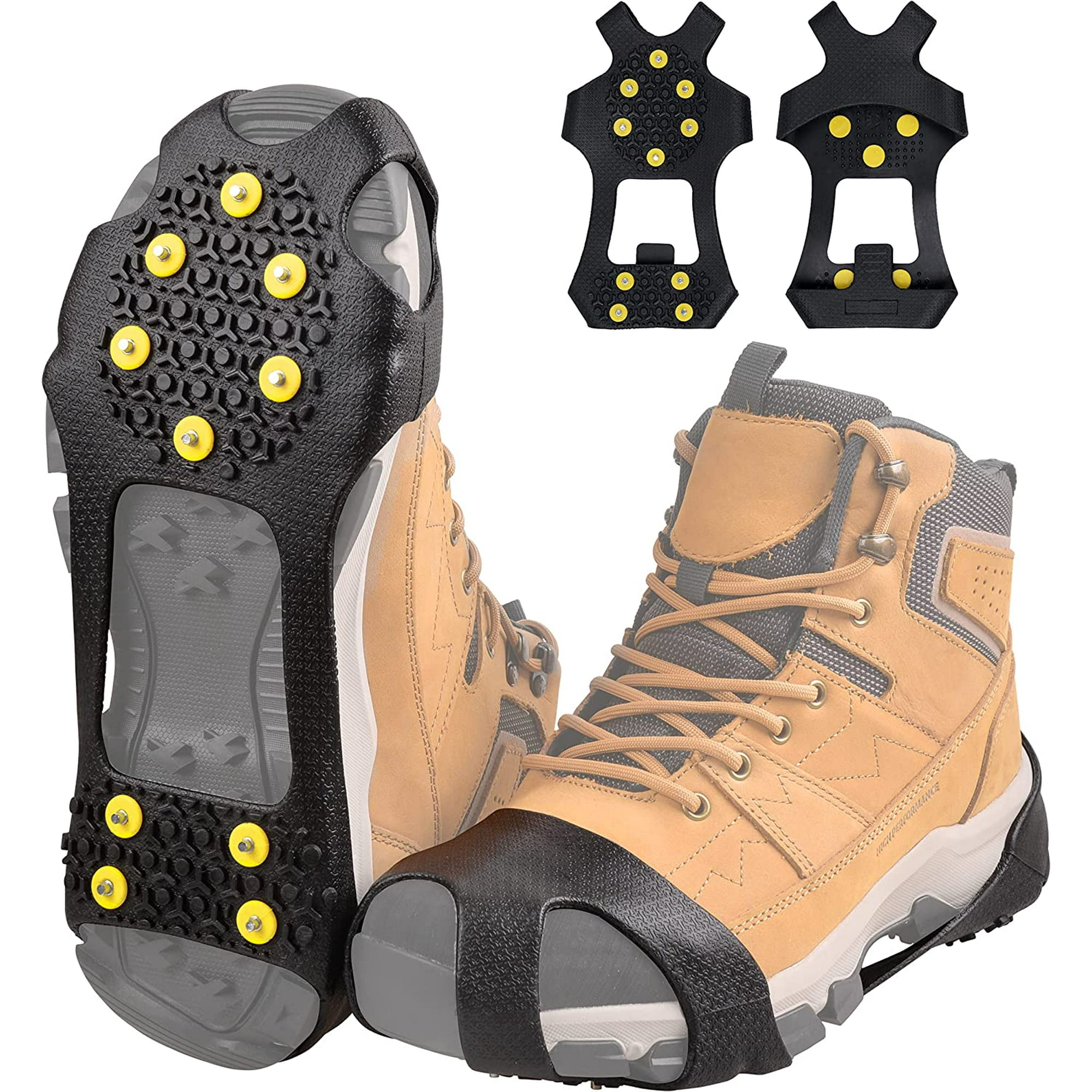


?Are we ready to see if the 250 Pack (#8)- Winter Ice & Snow Tire Heavy Duty Studs Spikes for Motorcycles, Snowmobiles Tracks, Racing Dirt Bikes, and ATVs (1/2″ 250 Pack (#8)) really deliver the traction and reliability they promise?
See today’s live prices and availability →
Product Overview
We want to know what this product offers and why it might matter for riders who face icy, packed-snow, or variable winter surfaces. The 250 Pack (#8)- Winter Ice & Snow Tire Heavy Duty Studs Spikes is a bulk set of studs designed for installation into tires and tracks of small to mid-size powersport vehicles. We appreciate that the kit focuses on common applications such as motorcycles, snowmobiles, racing dirt bikes, and ATVs.
We’ll summarize what’s included and what the manufacturer claims so we’re clear about expectations before discussing performance and fitment. The product is marketed toward users needing heavy-duty studs for winter conditions and off-road racing environments where traction is critical.
What’s Included
We want to be sure we know what comes in the package so we don’t get surprises when we open it. The 250 Pack (#8) contains 250 individual studs sized for the #8 category, which typically implies a 1/2″ length (as given in the product title). That quantity is useful for outfitting multiple tires or performing a dense stud pattern on one or two tires.
We appreciate the simplicity of the kit: a single-purpose bulk pack makes it easy for small shops, DIY mechanics, or teams to prepare several vehicles without running out mid-job.
Key Specifications
We like concise, easy-to-reference specification tables that help us confirm compatibility and features at a glance. Below is a breakdown of the main specs for the 250 Pack (#8)- Winter Ice & Snow Tire Heavy Duty Studs Spikes.
| Specification | Details |
|---|---|
| Product Name | 250 Pack (#8)- Winter Ice & Snow Tire Heavy Duty Studs Spikes for Motorcycles, Snowmobiles Tracks, Racing Dirt Bikes, and ATVs (1/2″ 250 Pack (#8)) |
| Quantity | 250 studs |
| Stud Size | #8 (1/2″ length specified in product title) |
| Application | Motorcycles, Snowmobile Tracks, Racing Dirt Bikes, ATVs |
| Material | Heavy duty (carbide tip or hardened metal recommended—verify packaging for exact composition) |
| Intended Use | Ice and snow traction, racing, off-road winter conditions |
| Mounting Style | Press-in or screw-in variation depending on stud base; often designed for insertion into pre-drilled holes in tire or track studs |
| Corrosion Resistance | Varies by manufacturer finish—check package for coatings (zinc, nickel, or stainless options) |
| Package Use | Bulk for multiple tires or dense stud patterns |
We should always check the actual package or seller description for exact metallurgy and finish because those details influence wear and corrosion resistance. When precise material (e.g., tungsten carbide tip vs. hardened steel) is important, verify before installing for severe, high-wear environments.
Installation Overview
We feel installation is one of the most important aspects because even the best studs will perform poorly if installed incorrectly. The process varies by application—motorcycle tire, snowmobile track, racing dirt bike, or ATV tire—so we’ll cover general steps and then specifics.
We recommend preparing the workspace, gathering tools, and reviewing the mounting method before starting to avoid mistakes that would cause uneven wear or stud loss.
Tools & Materials Needed
We like to be prepared. For the studs in this pack, common tools and materials include:
- Tire iron or bead breaker (if removing the tire)
- Drill and correct drill bit (for new holes in tires or track)
- Stud insertion tool or punch (manual or pneumatic)
- Soap or installation lubricant
- Torque/stopping method if studs have nuts or threads
- Safety gear (gloves, eye protection)
We recommend checking whether the studs are press-fit, screw-in, or rivet-style before buying tools; some studs require specific inserters or mandrels to seat correctly.
Step-by-Step Installation (General)
We want each step to be clear so we can avoid damaging tires or studs:
- Remove the wheel or track from the vehicle for easier access and even installation.
- Mark placement pattern—decide on stud density and row spacing based on vehicle type and expected conditions.
- Drill holes (if required) using the specified bit size; maintain consistent angle and depth.
- Clean holes and apply a small amount of lubricant to ease insertion if recommended.
- Insert studs using the insertion tool; ensure each stud is fully seated and perpendicular to tire surface.
- Reinstall wheel/track, balance if necessary, and run a short, low-speed break-in period to verify retention.
We always recommend testing a single stud pattern on an old tire or scrap material first to confirm technique and fit before committing to a full tire.
Installing on Specific Vehicles
We prefer to discuss vehicle-specific considerations so readers can apply the same product to their machine.
Motorcycles
Motorcycle tires are narrower and require careful stud spacing to avoid handling issues. We prefer a staggered, conservative pattern—front tire usually gets fewer studs than the rear. For dual-sport or adventure bikes, stud pattern and count influence steering feel and braking. We recommend installing studs around the center and shoulder in a pattern that balances straight-line traction and cornering control.
For sport-oriented motorcycles that will see higher lean angles, consider smaller studs or fewer studs on the shoulders to avoid excessive grip changes during turns.
Racing Dirt Bikes
Racing dirt bikes that run on icy track sections need aggressive traction, but we must preserve handling. We like using a denser pattern in the rear tire for drive traction and a moderate pattern up front for directional control. Make sure studs don’t protrude excessively to avoid damage to suspension components during contact with obstacles.
Top picks at Walmart


We suggest using studs with carbide or hardened tips for race wear, and inspecting between heats for loosened studs.
ATVs
ATVs take high lateral load and often require studs across the entire tread to maintain stability and acceleration grip. We prefer a symmetric pattern across both front and rear tires, but the rear can tolerate more studs for drive force. Because ATVs handle side loads, ensure stud base and installation method are robust against shear forces.
Check tire ply rating; thicker sidewalls and tire compounds respond better to studding.
Snowmobile Tracks
Snowmobile tracks differ because studs can be inserted into the track lugs or installed as bolt-on studs depending on track design. We recommend following the track manufacturer’s guidelines. When using this pack for tracks, confirm stud shank size and length to avoid interfering with suspension or chassis.
Dense stud patterns on snowmobile tracks can greatly increase forward bite on hard-packed snow and ice but may change handling on powder or soft snow.
Performance on Ice and Snow
We aim to be realistic about what studs can and cannot do. Studs dramatically improve traction on compacted snow and ice, but they are not a fix-all for extremely icy roads where studded tire design and compound also matter.
We’ll cover how these studs affect braking, acceleration, stability, and cornering.
Braking and Acceleration
Studded tires reduce stopping distances on hard ice by providing hard contact points that bite into the ice. We notice a marked improvement in emergency braking compared to un-studded winter tires on packed surfaces. Acceleration, particularly on rear-wheel drive motorcycles and ATVs, benefits significantly from a dense rear stud pattern.
We caution that on slushy or deep powder conditions, studs are less effective than on hard-packed surfaces and may not greatly change acceleration in deep snow.
Cornering and Stability
Studs change the traction profile during lean and lateral loads. We find that moderate stud counts maintain stable cornering behavior, but very dense or aggressively protruding studs can create a “bumpy” feel on corners and reduce smoothness in steering transitions. Placement matters: having more studs centered vs. shoulders will influence how the bike leans in and how the tire bites under side loads.
For racers, tuning stud count and position is a balance between maximum bite and consistent handling.
Road and Mixed-Surface Behavior
On bare pavement, studs will reduce traction and increase wear on both studs and pavement; they can also produce noise and vibration. We suggest removing or using fewer studs when most riding will happen on bare roads to avoid accelerated wear. For mixed-surface winter events, choose a compromise pattern that gives needed ice traction without excessively penalizing pavement behavior.
Durability and Wear
We trust that heavy-duty studs withstand repeated use, but durability depends on stud tip material and installation quality.
Material and Tip Hardness
We need to confirm whether the studs have carbide tips or are hardened steel. Carbide tips last significantly longer on abrasive surfaces and under high-speed wear. Hardened steel variants may wear faster, especially on roads. Coatings (zinc, nickel) help with corrosion resistance, but tips are the most important for wear.
We recommend checking packaging or seller specs to confirm tip composition before using studs for high-mileage or racing applications.
Retention and Loss Rates
Proper insertion is critical to minimize stud loss. We’ve seen that using correct hole diameter, seating depth, and insertion tool yields the best retention. Expected loss rate varies: properly installed studs in a racing condition may lose a few over time; on abrasive or mixed pavement, loss rates can increase.
Regular inspections after the first few rides and then periodically during use help catch loose studs early.

Ice Cleats for Shoes and Boots, Ice Snow Traction Cleats Grippers, Non Slip Shoe Ice Grippers,10 Steel Spikes Crampons Anti Easy Slip Studs Crampons Slip-on Stretch Footwear, 1Pair(Black,3.9x2.4")
Fitment and Compatibility

We want to ensure these #8 studs fit our tires and tracks. Fitment depends on the stud shank diameter, head design, and tire/track material thickness.
Tire Compound and Hardness
Softer winter compounds accept studs more readily and provide an interference fit that holds them securely. Very hard compounds or low-profile tires may be more challenging. For tracks, ensure stud stem length and head fit the lug thickness.
If unsure, test-stud a spare tire or scrap material to confirm fit before starting a full install.
Drill Hole Size and Angle
We recommend matching the drill bit size called out for these #8 studs. Angle should generally be perpendicular to the tread at contact patch for most applications, but some racers use slight toe-in/out angles for specific handling traits. Consistency of angle across all holes is crucial to avoid uneven wear and stud stress.
Tire Balance and Vibration
Adding many studs changes wheel balance; we advise re-balancing wheels after installation and conducting low-speed break-in rides to check for vibration. For high-speed applications, proper balancing is essential.
Maintenance and Care
We like to keep studs and tires in good condition with simple maintenance steps that prolong life and reduce issues.
Inspection Routine
We recommend:
- Inspecting studs after the first 10–20 miles of use.
- Checking stud tightness and seating, especially after high-speed runs or off-road events.
- Replacing bent or excessively worn studs promptly.
A consistent routine helps us avoid lost studs and potential tire damage.
Cleaning and Corrosion Protection
If studs are exposed to road salt, we should rinse wheels and studs after rides to reduce corrosion. If studs are not stainless or carbide-tipped, consider applying a light anti-corrosion spray to bases during the off-season storage.
Storage Considerations
Store unused studs in a sealed container in a dry area. Label and keep small parts together so we don’t lose stud counts for future projects.
Safety and Legal Considerations
We need to be aware of local laws and safety limits before installing these studs because regulations vary widely.
Road Legality
Many regions limit or prohibit studded tires or restrict their use to certain months. We should check local and state laws before using studs on public roads. For off-road and closed-course racing, studs are usually permitted but may be governed by event rules.
Speed and Handling Limits
Studded tires can affect steering feel and shorten traction on bare or wet pavement. We recommend limiting high-speed runs on dry pavement while studs are installed and modifying riding style to account for altered traction behavior.
Installation Safety
Follow safety protocols during installation—wear eye protection, ensure the wheel is secure, and use proper tools to avoid injury.
Pros and Cons
We like to present a balanced summary so readers can make a quick decision.
Pros
- Bulk pack of 250 studs is cost-effective for outfitting multiple tires or dense patterns.
- Designed for multiple powersport applications: motorcycles, snowmobiles tracks, racing dirt bikes, and ATVs.
- Can greatly improve braking and acceleration on packed snow and ice.
- Useful for racers and winter-reliant riders who need reliable traction.
Cons
- Material specifics may vary—need to confirm carbide tip vs. hardened steel for wear expectations.
- Studded tires can be illegal in some jurisdictions or limited by season.
- Increased noise, vibration, and wear on pavements.
- Installation requires tools and some skill; improper fitment can lead to stud loss.
Comparison with Other Stud Options
We like to compare common alternatives so we can pick the best solution for our needs.
Screw-In vs. Press-Fit vs. Bolt-On
- Screw-in studs provide very secure retention but require matching thread inserts and possibly nuts.
- Press-fit (riveted or mushroom-head) studs are simpler to install but may be more prone to loss if not seated properly.
- Bolt-on studs for tracks often secure with plate or nut for heavy duty use on snowmobile tracks.
Our recommendation: choose the method that matches vehicle loads and intended speeds—racing and high-speed applications generally benefit from screw-in or bolted systems.
Carbide Tip vs. Hardened Steel
Carbide tips last much longer and are preferred for racing or heavy pavement exposure. Hardened steel variants are cheaper but wear faster. If we expect mixed pavement contact, carbide-tipped studs are worth the extra cost.
Brand Alternatives
Some brands provide pre-mounted studded tires or complete kits with precise sizing and balanced patterns. The advantage of a bulk pack like this product is customization and cost—especially for teams or multiple vehicles—whereas pre-built studded tires save time but limit flexibility.
Cost Considerations
We always weigh up initial purchase price, installation time, and longevity. A 250-pack provides a low per-stud cost compared to buying smaller quantities. We factor in potential stud loss, replacement frequency, and whether carbide tips or coatings add to price but yield longer life.
For teams and frequent winter riders, bulk buys typically deliver better value. For occasional users, a smaller pack or professional installation might be more economical when factoring labor and tools.
Real-World Use Cases and Scenarios
We like concrete examples that match common rider needs.
Commuter Motorcyclist Facing Ice Patches
If we ride to work in areas that get black ice, adding a conservative stud pattern using this pack can reduce emergency braking distance and give confidence in unexpected patches. We’d limit studs to the central area of the tread and reduce shoulder studs to maintain lean control.
Snowmobile Racing Team
For a racing team on packed tracks, a dense stud pattern using carbide or heavy-duty studs from this pack can provide added bite out of turns and better lap times. We’d use frequent inspections between heats.
ATV Utility Use on Frozen Lakes and Trails
When hauling gear across frozen lakes, studs increase overall safety—improving both traction and braking for loaded ATVs. We would use a symmetric pattern and inspect frequently for stud retention.
Our Verdict

We appreciate products that are versatile, cost-effective, and usable across multiple vehicle types. The 250 Pack (#8)- Winter Ice & Snow Tire Heavy Duty Studs Spikes for Motorcycles, Snowmobiles Tracks, Racing Dirt Bikes, and ATVs (1/2″ 250 Pack (#8)) is an attractive option for riders and teams wanting a bulk supply of heavy-duty studs. We find the value proposition strong if the studs include carbide tips or hardened metal and if we confirm fitment before committing.
Proper installation and regular inspection are essential. When applied correctly, these studs significantly improve traction on packed snow and ice and can be a game-changer for racers and winter commuters. The main downsides are potential legal restrictions, increased pavement wear, and variations in material and coating details which require verification at purchase.
Frequently Asked Questions (FAQs)
We anticipate common concerns and answer them to help our readers decide.
Q: Will these studs damage pavement?
A: Studs are designed to penetrate ice and packed snow; on bare pavement they will wear quickly and can increase surface abrasion. They may also produce noise and vibration. Use them primarily on snowy and icy conditions or in events where pavement wear is acceptable.
Q: Are these studs screw-in or press-fit?
A: The product title doesn’t specify the exact mounting type. We recommend checking the product listing or packaging to confirm whether the studs are press-fit, screw-in, or bolt-on. Each style has different tools and retention characteristics.
Q: How many studs do we need per tire?
A: This depends on tire size, riding style, and surface conditions. Light commuter use might use 30–60 studs per tire; aggressive racing or ice drag might use 80–150 studs on a rear tire. With 250 studs, we can outfit multiple tires or perform dense patterns for one or two tires.
Q: Do we need to balance the wheels after installation?
A: Yes, adding studs alters wheel balance. We recommend re-balancing after installation, especially for high-speed use.
Q: Are these legal to use on public roads?
A: Regulations differ widely. Some jurisdictions have seasonal restrictions or total bans on studded tires. Check local laws before using studs on public roads.
Q: What maintenance do they require?
A: Inspect studs after initial miles, check for loose or damaged studs, clean and rinse off salt, and replace worn or bent studs. Regular inspections during a studded season reduce loss and damage.
Q: How long do the studs last?
A: Lifespan depends on tip material, riding surface, and usage. Carbide tips can last many seasons with mixed use; hardened steel tips wear faster, especially on pavement. Expect shorter life if regularly used on bare asphalt.
Final Notes and Practical Tips
We want our final recommendations to be actionable so our readers can proceed with confidence.
- Confirm stud tip material and finish before purchase if you need long life or corrosion resistance.
- Practice one tire first to perfect hole size and insertion technique.
- Keep a small kit of spare studs on rides; losing a few studs is common in the first sessions.
- Balance wheels after installation and do a low-speed break-in test ride.
- Respect local laws and adjust riding to reflect altered traction—especially on pavement and in corners.
We’re confident the 250 Pack (#8)- Winter Ice & Snow Tire Heavy Duty Studs Spikes for Motorcycles, Snowmobiles Tracks, Racing Dirt Bikes, and ATVs (1/2″ 250 Pack (#8)) can be a highly effective tool in our winter gear arsenal when chosen and installed appropriately.
Disclosure: As a Walmart affiliate, I earn from qualifying purchases.