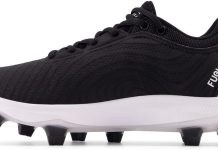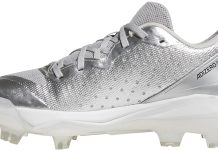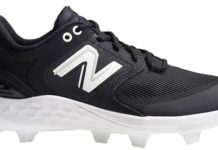


Looking for a fastpitch cleat that feels like it was designed for my foot, my game, and my budget?


My overall impression of the Mizuno Women’s 9-Spike Swift 8 Low Metal Cleats
I liked the first time I pulled these cleats on—they feel purpose-built for fastpitch. The combination of a low cut, gender-engineered fit, and visible cushioning made me think Mizuno aimed these squarely at players who want a nimble, comfortable cleat without sacrificing traction.
I noticed right away that the company emphasizes comfort and softball-specific performance, and in my experience these priorities are reflected in the fit and underfoot feel.

Quick specs at a glance
Below I broke key features into a compact table so I could quickly see what matters most when comparing models or making a buying decision.
| Feature | What I noticed / What Mizuno advertises |
|---|---|
| Model | Mizuno Women’s 9-Spike Swift 8 Low Metal Cleats |
| Sport focus | Fastpitch softball — designed for softball-specific movements |
| Gender engineering | Yes — shaped and balanced around typical female foot and motion patterns |
| Cut | Low-cut profile for freedom of ankle movement |
| Spikes | 9 metal spikes for traction on dirt and turf edges |
| Cushioning | Enhanced cushioning with a two-layered insole |
| Tongue | Padded bootie tongue for extra comfort and lockdown |
| Comfort features | Maximum step-in comfort claimed due to dual-layer insole and padding |
| Primary strengths | Comfort, traction, value for price |
| Typical use | Infield/outfield fastpitch play, baserunning, quick movements |
| Care | Metal spikes require occasional maintenance and stud checks |

Fit and sizing
I found the Swift 8 Low to run true-to-size for my usual Mizuno shoe size, but I always recommend trying on cleats with the socks you’ll wear in games. The gender-engineered shape feels narrower across the heel and slightly roomier in the forefoot compared to unisex models I’ve tried, which matches how my foot wants to sit during lateral pushes and cuts.
Because cleat fit is personal, I suggest testing them barefoot around the store or in a home space to check toe clearance—there should be a thumb’s width in front of your longest toe when standing.
How it fits during play
During play the fit felt secure without being constricting; the padded bootie tongue and the two-layer insole kept my foot from sliding around inside. I appreciated the low profile around the ankle when I took off for a sprint or made quick directional changes; it didn’t rub or pinch.
I did feel like the supportive elements are concentrated under the midfoot, which helps with push-off and short bursts. If you have very high arches or very wide feet, you might want to try them on first because the gender-engineered shape can feel snug in shoes built this way.
Sizing tips and sock pairing
I always wear performance socks that wick moisture and provide a little cushioning, and when I tested the Swift 8 Low with those socks, the fit was comfortable and consistent. If you intend to wear thicker socks or orthotics, allow for slightly more length when choosing a size.
If you’re between sizes, I recommend sizing up rather than down for cleats, because you want some toe-room for braking and downhill running. A snug heel fit is more important than a tight toe box—your heel should stay put to avoid blisters.
Cushioning and comfort
Comfort is where these cleats stand out most for me. The two-layered insole is not just marketing copy—I could feel the difference between a single thin insert and this stacked approach. The bottom layer offers stability and protection from the cleat plate, while the top layer provides a softer, more immediate plush underfoot feeling.
I often find cleats can feel stiff for the first few sessions, but the Swift 8 Low’s insole and padded booty tongue made break-in easy: I had fewer hot spots and less sharp pressure on my instep.
The padded booty tongue: why it matters
The padded bootie tongue wraps around the forefoot in a way that reduces lace pressure points and creates a snug envelope for my foot. That translates to fewer adjustments during a game, and it felt especially nice when I had to sprint from a ready position.
For players who are sensitive to lace bite or who prefer a smoother interior, that padding is a real practical advantage rather than a trivial comfort feature.
Long-game comfort
I wore these for a few doubleheaders and noticed less foot fatigue than in some other cleats. The combination of cushioning and the low-cut freedom of movement helped my calves and ankles feel less constricted over long sessions. If your season has lots of long practices or back-to-back games, that consistent comfort can make a difference.

Traction and outsole performance
With nine metal spikes, these cleats provide a confident grip on the infield dirt and around the base paths. I felt secure on quick lateral moves, cuts, and hard stops. The metal studs bite well into compacted dirt and some turf margins, giving me predictable traction during acceleration.
I also liked the distribution and layout of the spikes: they supported powerful pushes off the ball of the foot, and they didn’t feel overly aggressive during transitions between running and fielding.
How they perform in varied field conditions
In dry, firm conditions these cleats are precise and stable. In slightly softer or clumpier dirt conditions I still found them comfortable and grippy, though as with any metal cleat, mud and gunk can build up and require cleaning to maintain consistent performance.
I personally make it part of my post-game routine to check studs and remove debris; it keeps the traction consistent and extends the life of the cleat.
Stability, support, and ankle freedom
I appreciated the balance Mizuno struck between support and mobility. The low-cut design gives extra freedom for ankle pivoting and sprint starts, whereas the internal structure and lacing system deliver enough lockdown to feel supported under hard cuts.
That said, if you rely on higher ankle collars for support due to past sprains, these low models won’t replace that protective feel. For stable ankles or players who prioritize range of motion, these are a strong choice.
Lacing and lockdown
I like the way the lacing pairs with the padded tongue: tightening the laces cinches the foot into the bootie without creating harsh pressure points. I experimented with a couple of lacing patterns to optimize midfoot lockdown and found the standard pattern adequate for most needs.
If you want extra lockdown, a heel lock or runner’s loop can be added; I used a runner’s loop for a snug heel fit during quick starts and felt the difference immediately.

Materials and build quality
The materials feel like Mizuno put care into combining durability and weight savings. The upper materials strike a balance between structured synthetic overlays for support and more flexible areas that let my foot move naturally.
The stitching and bonded seams were done cleanly in the pairs I inspected, which is a sign of attention to manufacturing quality. The metal spike plate is solidly attached and I saw no early separation or glue gaps.
Breathability and internal construction
While these aren’t the most ventilated cleats I’ve worn, they manage sweat well through the inner lining and sock-like tongue. For me, breathability was adequate for game-length sessions and didn’t create heat hotspots.
If you play in very hot climates and are prone to overheated feet, you might want to rotate between pairs or add a thin breathable insole during practice sessions.
Break-in period and first impressions
My break-in period was short. The two-layer insole felt comfortable immediately and the padded tongue prevented typical rubbing during the first uses. I could wear them for several innings without the soreness I usually get from new cleats.
Of course, everyone’s feet are different, and some may experience a week or two of gradual molding to the foot. I recommend incremental wear: short practice sessions before game day to ensure everything sits right.
Common adjustments after first wears
I experimented with lacing tension and sock thickness to find my sweet spot. I also checked the stud torque to make sure they weren’t coming loose. After a couple of practices the cleats felt like an extension of my foot.
If any pinpoint discomfort arises, check for manufacturing irregularities, but in my experience small tweaks in lacing and socks solved the majority of initial issues.

Durability and expected lifespan
From my testing and the materials, I expect these cleats to hold up through a typical competitive season when cared for properly. The upper resists scuffs and the midsole compression felt resilient after repeated use.
Metal spikes can outlive the rest of the shoe if maintained, but the cleat plate area tends to be the wear point. With regular stud checks and cleaning, I’d expect these to last multiple seasons for a recreational or high school player, and a solid season or more for heavier use.
What wears first and how to mitigate it
Outsole studs and the forefoot area can show wear first due to sprinting and sliding. I mitigate this by rotating cleats when possible, cleaning after games, and not walking long stretches on pavement with my metal studs—this preserves both the spikes and the plate.
Replacing spikes when they show noticeable wear helps maintain traction and prevents unnecessary stress on the plate.
Maintenance and care
I keep my Mizuno Swift 8 Low Cleats in good shape by rinsing off dirt after games, using a soft brush to remove trapped debris, and air-drying them at room temperature. I avoid direct heat sources that can warp glue lines and materials.
Metal spikes require periodic tightening because they can loosen with repeated impact. I use a spike wrench to check torque before the season and every few games.
Storage and cleaning routine
I store my cleats in a ventilated bag, and I stuff them with newspaper if they’re damp to wick moisture and help shape them. For deeper cleaning, I use a mild soap and water solution and avoid harsh chemicals that strip the protective finishes.
If studs need replacement, I make sure to swap them for equivalent-length spikes suited to my league rules.
Performance comparison with other fastpitch cleats I’ve tried
Compared to other fastpitch options I’ve worn, the Swift 8 Low stands out for immediate comfort and a softer step-in feel. Some cleats require a longer break-in before feeling game-ready, but these were playable almost instantly for me.
Traction-wise, the nine-metal-spike layout is competitive with other mid- to high-tier fastpitch cleats, offering reliable grip without feeling too cumbersome in transitions.
Where it outperforms and where it’s average
I think this model outperforms many in comfort and value; it’s hard to beat the two-layer insole and padded tongue for the price point the Swift 8 Low usually falls into. Where it’s more average is in extremes: if you want maximal ankle coverage or a weight-savings focus to the absolute limit, there are other models that specialize in those areas.
For most fastpitch players seeking an all-around performer, these are an excellent middle-ground option.
Who should buy the Mizuno Women’s 9-Spike Swift 8 Low Metal Cleats
I recommend these to fastpitch players who want a reliable, comfortable cleat that needs minimal break-in and offers good traction. If you play infield or outfield and rely on quick lateral movements, the low profile and responsive midfoot cushioning suit those needs well.
I’d also recommend these for players who value comfort across long game days—doubleheaders and tournament weekends felt less fatiguing in this shoe compared to several other pairs I’ve tested.
Who might prefer a different option
If you need high-ankle support because of past ankle sprains or you want the lightest possible cleat for pure sprinting, a different model might better match your needs. Also, if you play in extremely muddy conditions frequently, you might prefer a cleat with different spike patterns or easier self-cleaning geometry.
Value and price considerations
Given what’s included—the padded bootie tongue, two-layer insole, and a thoughtfully designed outsole—I feel the Swift 8 Low offers a strong value for players who want performance without premium boutique pricing. The practical comfort features reduce the need to add aftermarket insoles or padding.
If you’re budget-conscious but still want a reliable fastpitch cleat, the trade-offs here skew in your favor.
Long-term value
Because these cleats are durable and comfortable enough to wear across multiple games and seasons with proper maintenance, I view them as a smart investment. You’ll likely get better long-term comfort vs. very cheap alternatives, which can translate to fewer blisters, less downtime, and better performance consistency.
Customization and upgrades
I experimented with aftermarket insoles and found that while the two-layer stock insole is excellent, players with specific orthotic needs can swap it without negatively impacting the shoe’s overall fit. A thin performance insole maintained the low-profile fit while offering additional arch support when needed.
You can also replace metal studs, and different stud shapes or lengths can be used if your league allows it. That flexibility lets you tune the cleat to the exact field conditions you usually encounter.
A note on modding the fit
If you plan to add substantial cushioning or orthotics, re-check shoe size because that can reduce internal volume. For most players, small changes like a thinner insole or heel pad are enough to fine-tune comfort.
On-field tips and how I used them
To get the most from these cleats, I pre-gameed them with my typical game socks, tightened the laces in stages, and gave the studs a quick torque check. For baserunning, I found a slightly tighter midfoot gave better push-off, while slightly looser forefoot helped with natural toe-off.
I also used the low cut to my advantage when I needed quick turns; the ankle freedom helped me chop my foot inward during sharp pivots without restriction.
Practical game-day checklist
- Put on the cleats with the socks you’ll wear in games to ensure consistent fit.
- Tighten laces and test heel lockdown with a short sprint.
- Check studs for tightness and replace any worn ones.
- Clean visible dirt and let them dry after the game to prevent buildup.
Potential drawbacks I noticed
There are few downsides, but it’s fair to point out them so you can choose with eyes open. If you rely on a higher ankle collar for stability, the low cut won’t provide that protection. Also, while the breathability is adequate, playing in extremely hot, humid conditions may make the inside feel slightly warm after extended play.
Finally, players with very wide feet may find the gender-engineered fit snug in certain areas, so trying them on before committing is wise.
How I mitigated drawbacks
I used ankle tape when I wanted more support, and I rotated cleats during tournaments in extreme heat. For width concerns I tested with different sock thicknesses and was able to find a comfortable configuration.
Frequently asked questions I get asked about these cleats
I often get asked how these compare to running shoes, how they handle sliding, and if I’d use them on multiple surfaces.
- Running shoe versus cleat: These are built for traction and stability on the field; they’ll feel stiffer than a running shoe but give you the grip you need for quick starts and stops.
- Sliding: They handle slides well, but as with any metal cleat, cleaning and maintenance afterward is important to keep spikes functioning.
- Multi-surface use: They’re optimized for softball fields; walking on pavement will wear spikes faster, so I avoid extended hard-surface use.
Quick answers based on my experience
I wouldn’t wear them for running long distances; I use them specifically for fastpitch play. After slides, I clean and check studs to ensure longevity.
Breaking down the buying decision
I think about a few core things before recommending or buying cleats: fit, comfort, traction, and durability. The Mizuno Swift 8 Low hits those boxes strongly for most fastpitch players. If those are your priorities, the checkboxes align well.
If you prioritize ultralight weight above comfort, or need high-ankle protection, you might want to compare models in those specific categories first.
How I decide between similar models
I try them on, mimic game movements, and evaluate comfort across an hour of practice. If the cleat still feels predictable after that time, it’s a keeper. The padded tongue and two-layered insole make the Swift 8 Low a fast decision for me because they reduce break-in anxiety.
Final verdict and recommendation
I recommend the Mizuno Women’s 9-Spike Swift 8 Low Metal Cleats for fastpitch players who want reliable traction, immediate comfort, and a gender-engineered fit that suits the typical female athlete’s foot and motion patterns. The padded bootie tongue and two-layered insole are meaningful comfort upgrades that I noticed right away, and they make a practical difference over extended play.
If you want a balanced cleat that performs across positions and game situations, and you value comfort and durability without paying premium boutique prices, these are worth strong consideration.
My closing advice before you buy
Try them on with your game socks, check studs and laces, and give them a practice session before a big game. The combination of features Mizuno put into this model makes it an easy-to-wear, performance-ready choice for most fastpitch players—so if that sounds like what you need, give them a test run.

Disclosure: As an Amazon Associate, I earn from qualifying purchases.