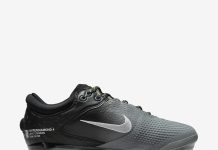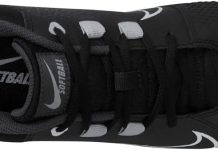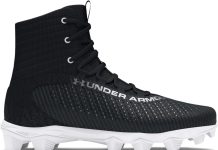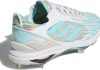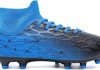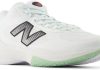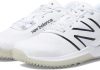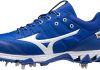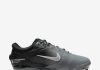

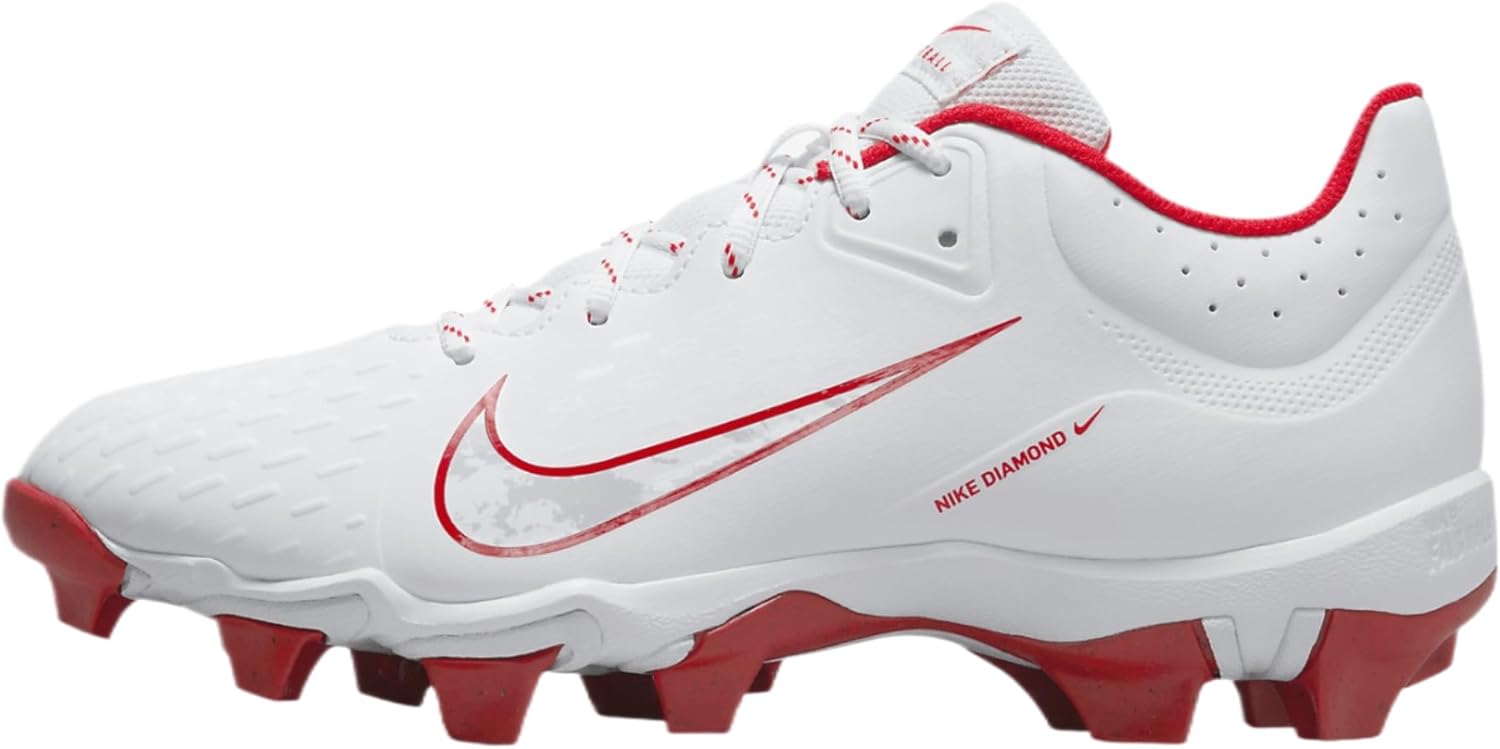
? Have you ever wondered whether the Nike Women’s Hyperdiamond 4 Keystone Molded Softball Cleats will actually make a difference on game day?

Overall impression
I felt immediately that Nike designed the Hyperdiamond 4 Keystone with softball-specific demands in mind. From my time wearing them, they strike a balance between lightweight maneuverability and the structure needed for lateral movements, quick starts, and slides.
What stands out first
The first thing I noticed was how the molded plate felt purpose-built for softball, giving me confidence when planting and changing direction. The combination of a firm outsole and forgiving upper material made them feel game-ready right away.

Quick feature breakdown
I put together a table to make the main attributes easier to scan and compare. This helped me remember how each part contributed to my on-field performance.
| Feature | My experience | Notes |
|---|---|---|
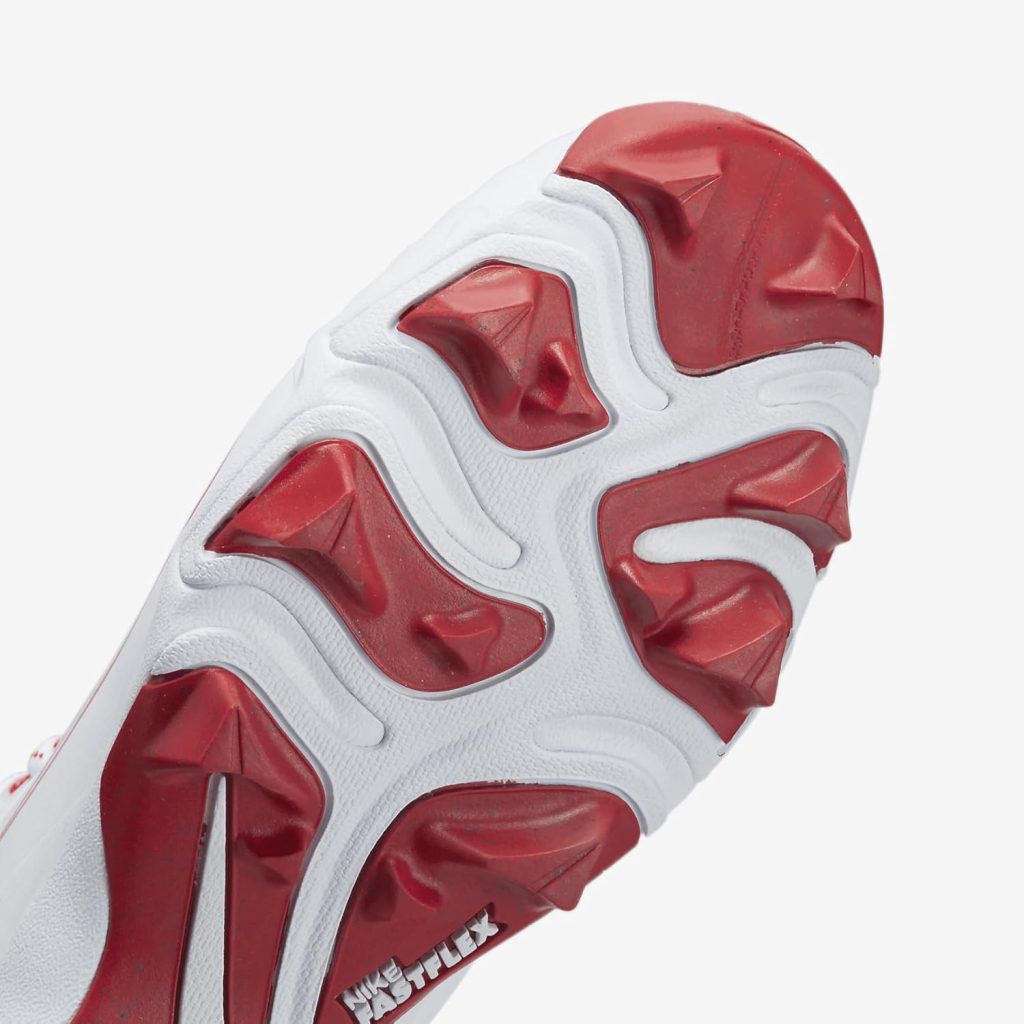
| Traction / Outsole | Consistent grip on dirt and turf; felt secure on slides | Molded plate with diamond-ish pattern optimized for softball movements |
| Fit | True to size for my usual Nike size; snug around midfoot | Slight break-in required around forefoot for some players |
| Cushioning | Responsive underfoot with moderate padding | Foam midsole offers impact protection without feeling bulky |
| Support | Solid heel lock and lateral stability | Keystone plate provides rigidity for quick pivots |
| Upper | Smooth synthetic with reinforced toe | Easy to wipe clean; shows scuffing less than mesh |
| Breathability | Adequate for typical games, not extreme hot-weather | Perforations and mesh panels help but not as airy as running shoes |
| Weight | Lightweight enough for quickness | Not ultralight, but well balanced with support |
| Durability | Held up well through repeated use | Minimal sole wear after weeks of practices and games |
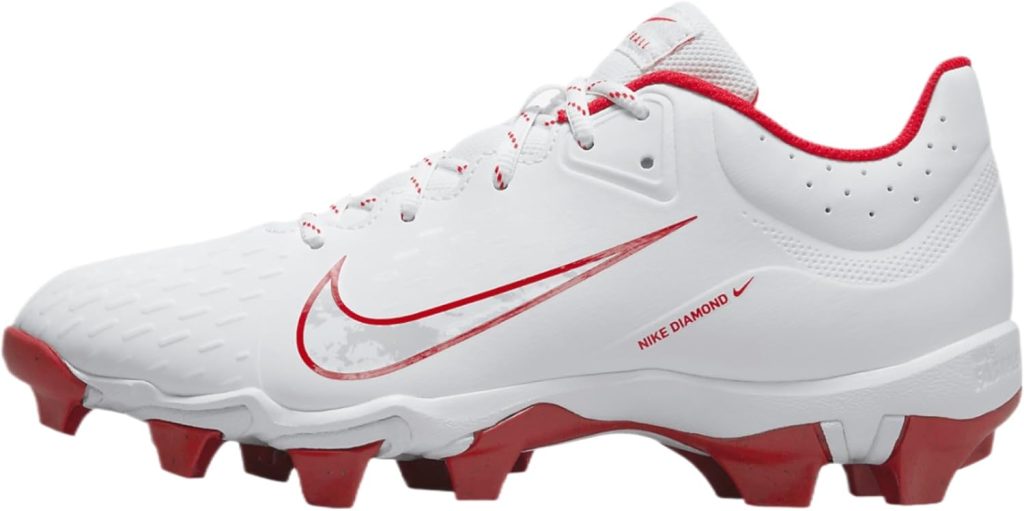
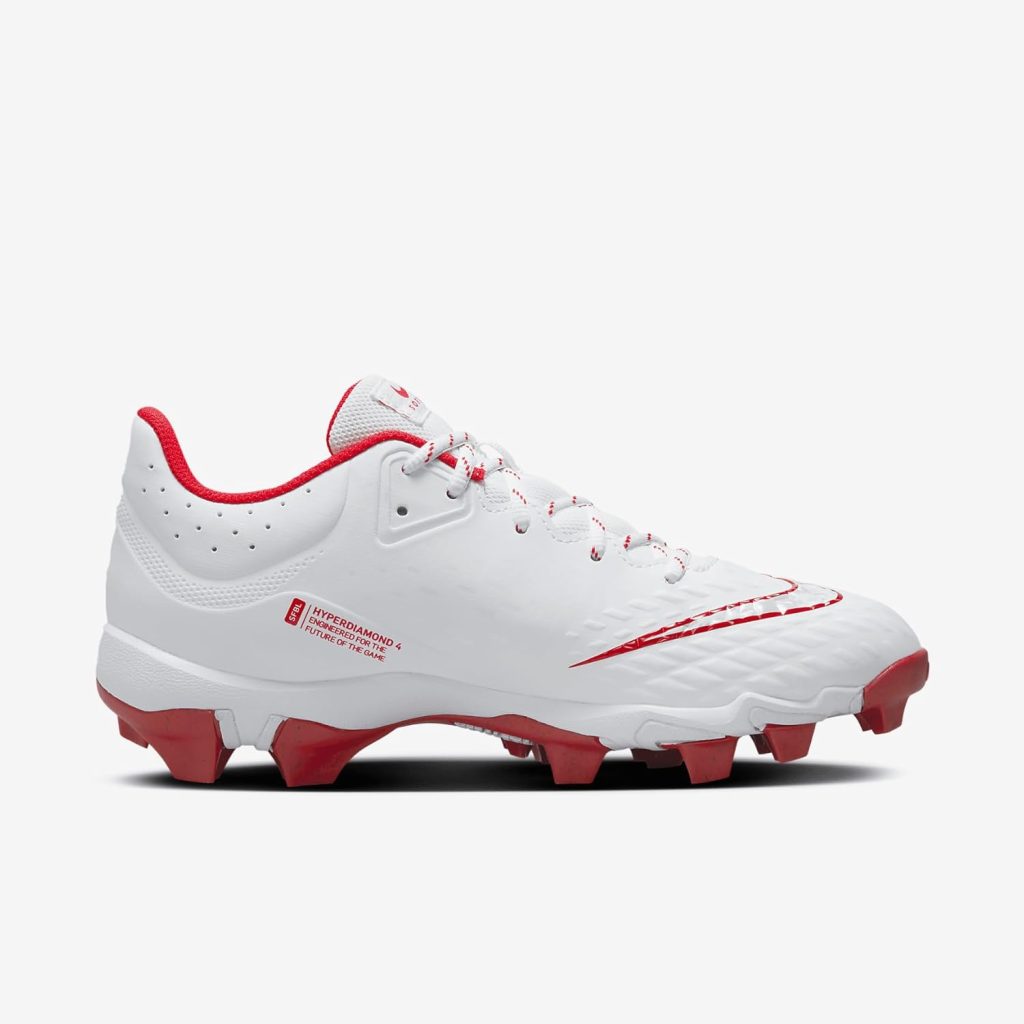
| Style | Clean, athletic silhouette | Multiple colorways available for team matching |

Fit and sizing
I usually advise paying attention to the way a cleat fits across the forefoot and around the heel, and the Hyperdiamond 4 Keystone was no exception. I found that Nike’s women’s sizing was generally accurate: if I wear a specific Nike size in other shoes, that same size worked for me in these cleats.
Sizing tips
I recommend ordering your usual Nike women’s size; the cleat is designed with a snug profile that secures the foot without pinching. If you are between sizes or have wider feet, you might consider going up half a size to avoid crowding in the toe box, especially if you plan to wear thicker socks or a performance orthotic.
Break-in behavior
The initial break-in felt short—only a couple of uses before the upper settled around my foot—so I didn’t experience prolonged discomfort. The materials softened just enough to conform without losing the supportive feel that helps with quick cuts.
Comfort and cushioning
Comfort is often a trade-off in cleats: too much cushioning can compromise ground feel, while too little causes soreness. I appreciated the balance Nike struck here.
Underfoot feel
The midsole foam provides a responsive but not marshmallowy cushion that absorbs spikes of impact when running and sliding. That responsiveness kept my stride efficient and prevented the “bouncy” sensation that sometimes makes me feel less stable.
Collar and tongue padding
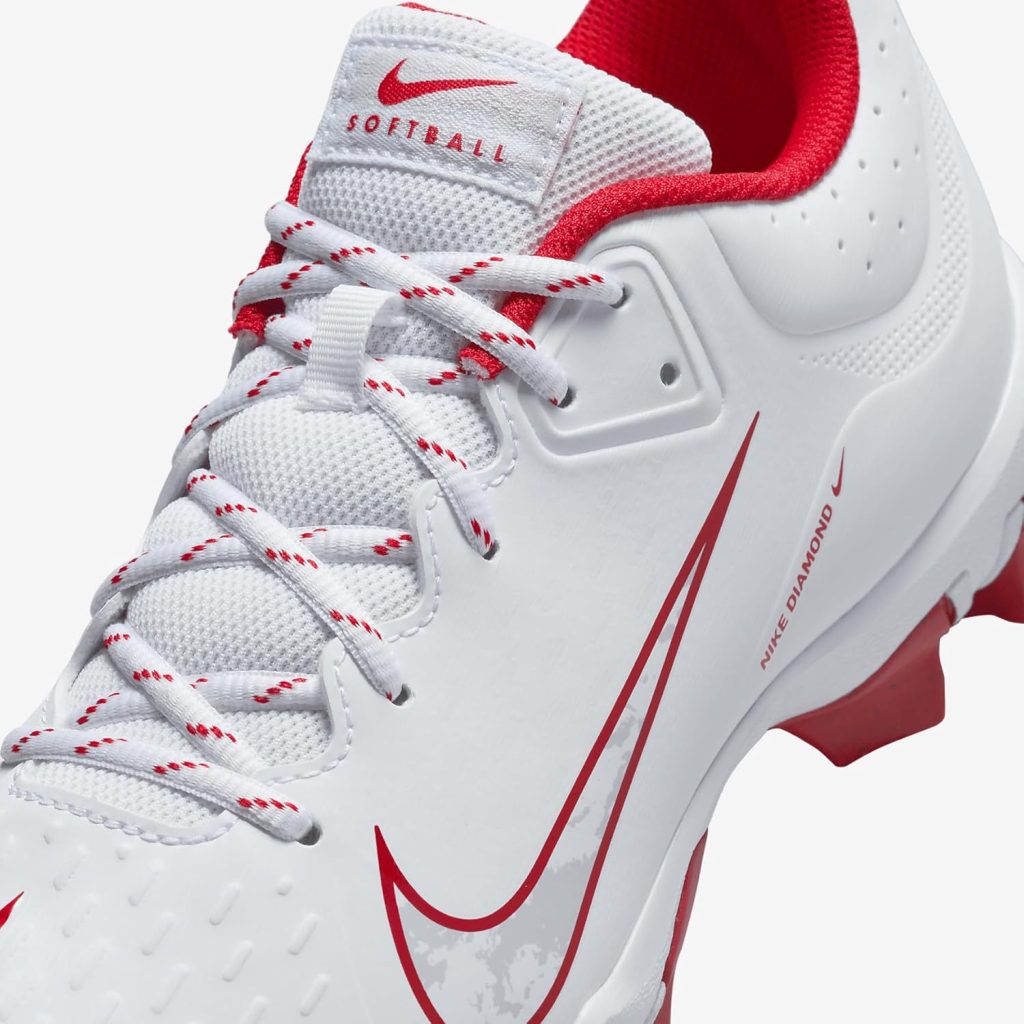
The padded collar hugged my ankle comfortably, giving me the secure feel I want without feeling constraining. The tongue has modest padding and sits flat under the laces, so there’s no pressure point where my foot bends.
Traction and plate performance
Traction is what can make or break a cleat during a game. I tested the Hyperdiamond 4 Keystone on packed dirt infield, slightly loose chalky dirt, and synthetic turf, and the traction was reliable in all conditions I encountered.
Molded plate behavior
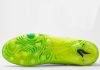
The molded keystone plate felt stiff enough to transfer push-off power efficiently while still offering a bit of flex for natural movement. That balance helped when I had to burst out of the batter’s box or explode toward first base.
Grip on different surfaces
On packed dirt and well-maintained infields, I had no problems with slipping. On slightly looser surfaces I could feel the studs engage rather than spin, which gave me confidence during lateral movements and slides. On turf, the cleat felt slightly less aggressive but still more than sufficient for baserunning and fielding.
Upper construction and durability
The upper is where the shoe meets the world, and Nike seemed to prioritize easy maintenance and protection in this model. I found the upper to be practical for regular use.
Materials and protective elements
The synthetic upper strikes a nice balance between flexibility and toughness, with reinforcement in the toe area to resist abrasion from sliding and kicking up dirt. The materials didn’t fray or tear under normal use, and scuff marks were mostly cosmetic.
Longevity after use
After multiple practices and a handful of games, the upper retained structure and did not sag. Seams and overlays held up well, indicating thoughtful construction and an eye toward durability for regular players.
Support and stability
Stability matters when you’re making quick cuts, fielding, or sliding. The Hyperdiamond 4 Keystone gave me a sense of stability that I appreciated immediately.
Heel lockdown
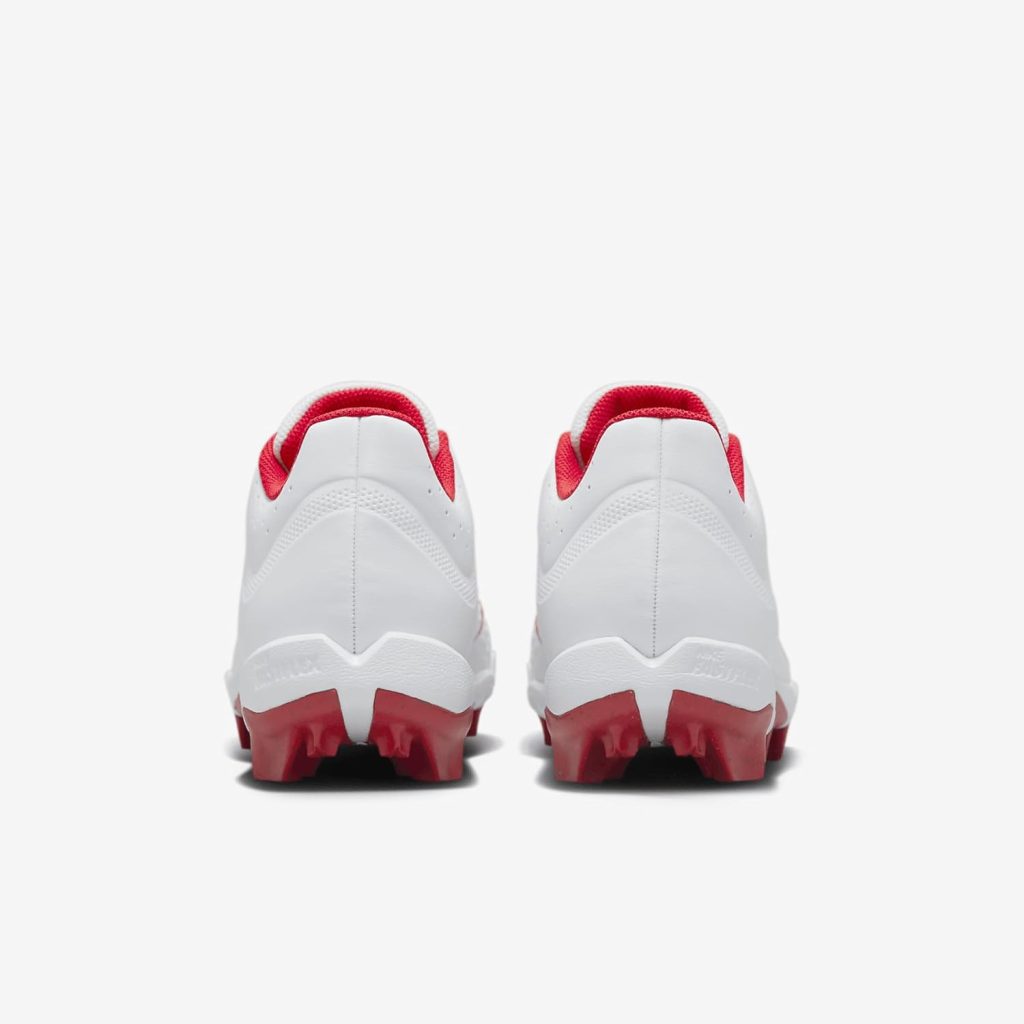
The heel area cups the foot without rubbing, and the lockdown from the lacing system is effective; I didn’t experience any heel slip during sprints. That stable heel helped me trust my footwork on throws and pivots.
Lateral support
Because softball involves frequent side-to-side movements, lateral support is essential. The plate and upper work together to reduce excessive foot roll, and I felt contained and supported during aggressive lateral moves.
Breathability and fit for hot-weather play
Cleats can trap heat, especially during long tournaments in warm climates. I paid attention to airflow and overall comfort during more intense sessions.
Ventilation features
Perforations and mesh strategically placed within the upper provided enough airflow to keep things tolerable during full-length games. They’re not as cool as a road-running shoe, but that’s expected; I didn’t find them oppressively hot.
Sweat management
The interior lining materials wick moisture reasonably well, and I didn’t notice a slippery sensation inside the cleat even after extended innings. For very hot days, I still recommend lighter socks and possibly foot powder if you’re prone to sweating heavily.
Break-in period and using orthotics
I tried breaking the cleats in over a few practices and also tested them with a thin aftermarket insole. Both scenarios are worth considering depending on your needs.
Initial break-in
The short break-in period meant I could rely on them for game use fairly quickly; a couple of practices did the trick. I experienced only minimal stiffness in the very first session, which faded after that.
Using custom orthotics
If you use a thicker custom orthotic, expect a slightly tighter fit; the cleat accepts thinner insoles without issue. I swapped in a performance insole and still had enough volume in the forefoot and midfoot for comfort, but thick orthotics may require sizing up.
Style, colorways, and team matching
Although function is priority, I also care about how cleats look and how they fit a team aesthetic. Nike offered multiple colorways that made it easy to match team uniforms.
Aesthetic choices
The silhouette is sporty and modern without being over-the-top, so it fits a wide range of personal styles. I appreciated the clean lines and the subtle logo placement that keeps the focus on performance.
Customization potential
Some teams may prefer custom colorways or logos; these cleats have a look that adapts well to team decals and custom sock choices. The neutral base designs make it easy to add personal or team flair.
Cleaning and maintenance
Cleats get filthy fast, and how easy they are to clean affects how often I’ll reach for them. I tried basic cleaning routines and was pleased with the results.
Cleaning routine I used
I brushed off excess dirt after each game, wiped them down with a damp cloth, and allowed them to air dry. The synthetic upper responded well to this simple routine and didn’t absorb stains easily.
Care tips
Avoid machine washing and high heat; air drying at room temperature preserved the shape and glue bonds. Regular cleaning and simple drying kept the cleats looking fresher and extended their usable life.
Comparing to other softball cleats
I compared the Hyperdiamond 4 Keystone to a couple of other popular women’s softball cleats I’ve used, focusing on traction, comfort, and price-value balance.
How it stacks up
Compared to heavier, more rigid cleats, the Hyperdiamond felt faster and more flexible while still offering comparable stability. Against very lightweight models, it provided better protection and support without a significant weight penalty.
Who might prefer alternatives
If you prioritize maximum breathability in extremely hot climates or want an ultra-minimalist cleat for maximum ground feel, some alternatives might suit those specific needs better. For most players seeking an all-around performer, I found these to be an excellent blend.
Performance for specific player roles
Different positions put different stresses on footwear; I evaluated how these cleats performed in several roles.
Pitchers and catchers
As a pitcher, I found the plate gave consistent push-off and helped me trust my planted foot during windups. Catchers will appreciate the toe protection and stability during rapid lateral movements, but they should ensure the collar’s height matches their mobility preferences.
Infielders
Infielders benefit most from quick acceleration and lateral support, and I found the Hyperdiamond 4 Keystone excelled here. The molded plate and stud configuration offered the immediate bite and release I need for quick plays.
Outfielders
Outfielders looking for long sprints will appreciate the responsive midsole and reliable traction for longer baserunning. If you cover a lot of ground on turf, these still perform well while providing the stability needed for high-speed plays.
Value and pricing considerations
Price matters when you buy multiple pairs for a team or want a long-term investment. I factored in performance, durability, and typical retail cost when weighing value.
Cost versus durability
The cleats presented a solid value for their price point, particularly given the durability I observed over regular use. I’d rather spend a moderate amount on a cleat that holds up through a season than repeatedly buy cheaper models that fall apart.
Replacement timeline
With normal use, I’d expect these to last a full season or more before major wear becomes an issue, depending on frequency and playing conditions. Paying attention to outsole wear and upper integrity will help determine when to replace them.
Pros and cons
I find lists helpful when deciding whether a product meets my needs, so I summarized the main strengths and weaknesses I experienced.
Pros
- Comfortable and responsive cushioning for game use.
- Reliable traction on dirt and turf.
- Supportive heel and lateral stability for quick cuts.
- Durable synthetic upper that cleans easily.
- Attractive, team-friendly styling.
Cons
- Not the most breathable option for extremely hot conditions.
- Slightly snug fit for players with wider feet unless sized up.
- Not an ultralight cleat if absolute minimal weight is your top priority.
Common questions and answers
I collected a few practical FAQs that I had before buying and that others often ask.
Are these true to size?
I found them true to size for my typical Nike fit, but if you’re between sizes or have a wide foot, consider going up half a size.
Can I use custom insoles?
Yes, the cleat accepts thinner custom insoles without losing fit comfort, but very thick orthotics may reduce internal volume and require sizing up.
Are they good for both dirt and turf?
Yes, they performed well on packed dirt, looser infield dirt, and synthetic turf in my tests.
Who should buy the Nike Women’s Hyperdiamond 4 Keystone Molded Softball Cleats?
If you’re a player looking for a dependable, well-balanced cleat that supports quick play, these are a strong option. They’re particularly good for infielders and players who need a balance between stability, traction, and comfort.
Who might look elsewhere
If you play in extremely hot climates and need maximum airflow, or if you require an ultralight racing-style cleat for pure speed, you might consider alternatives tailored to those priorities.
My recommendations for purchase and use
I’ve found that pairing these cleats with a snug midweight athletic sock and breaking them in over a couple of practices yields the best comfort and performance. I also recommend regular cleaning and avoiding harsh chemicals to preserve the upper’s finish.
Sizing and sock pairing
Stick with your Nike size unless you have wide feet—then go half a size up. I suggest performance socks with good wicking to keep feet dry during multi-game days.
Maintenance routine
After each use, knock off dried dirt, wipe them down, and let them air dry. During the season, check laces and seams and replace laces if they start fraying.
Final verdict
After spending time wearing the Nike Women’s Hyperdiamond 4 Keystone Molded Softball Cleats, I feel they provide a compelling combination of traction, support, and durability. For most softball players seeking a reliable, comfortable cleat that performs well across positions, these are worth serious consideration and represent a solid investment for the season.

Disclosure: As an Amazon Associate, I earn from qualifying purchases.